

Pressure Mounts on Fed Chair Kevin Warsh Amid Inflation Concerns
Wednesday, July 29, 2026
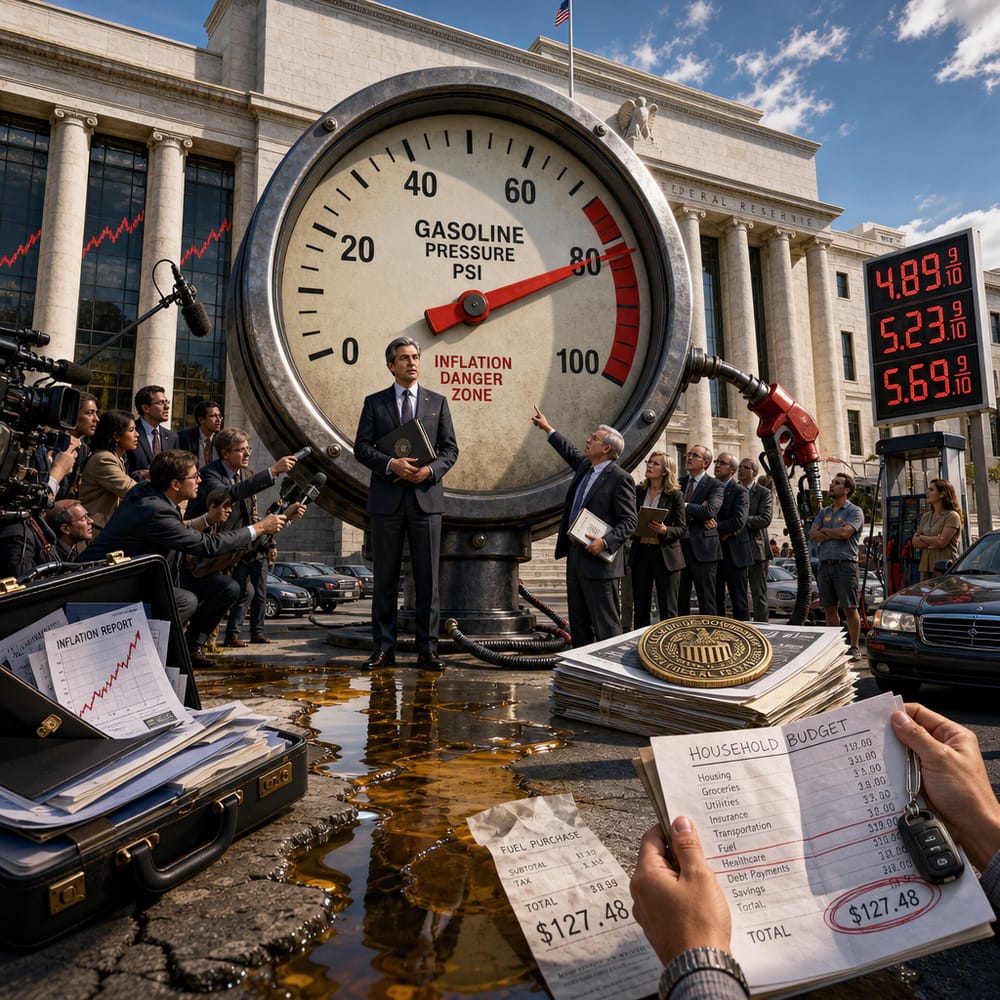
When it rains, it pours — and right now, the storm clouds are gathering over Federal Reserve Chair Kevin Warsh. With inflationary pressures rising faster than a caffeinated cat on a hot tin roof, Warsh is feeling the heat. In particular, gas prices have taken a sharp northward turn, sparking concerns of yet another round of wallet-thinning inflation. So while global tensions rise, consumers and businesses alike are left wondering: just how is Warsh going to juggle all these flaming swords?
INFLATIONARY PRESSURES: A PERFECT STORM
Let’s kick things off with the obvious: inflation is behaving like an unruly teenager, refusing to follow the rules and causing chaos at every turn. One of the main culprits? Rising gas prices. Oil markets are jittery, thanks in part to rising hostilities in the Middle East. Iran’s recent ballistic missile attack on U.S. forces has injected fresh volatility into oil prices, pushing them to uncomfortable highs. Now, we all know what happens when oil prices spike — everything from the cost of your morning coffee to the price tag on a new set of tires tends to climb.
But oil isn’t the only factor. The global supply chain is still dealing with the fallout of long-lasting disruptions. There are bottlenecks, labor shortages, and wild currency fluctuations that have left businesses scrambling to maintain their margins and consumers scratching their heads at the checkout counter.
THE FED'S POSSIBLE PLAYBOOK
So, what’s next for Warsh and his team of monetary maestros? Well, the Fed might consider several moves to address these inflationary pressures. The most expected step is interest rate hikes. By making borrowing more expensive, the Fed can theoretically cool down an overheated economy, forcing businesses to think twice before ramping up prices. But let’s be clear, this is a high-stakes game of Jenga. Too aggressive a hike, and the whole economic tower could come tumbling down into a recession.
Another tool in Warsh’s kit is quantitative tightening — basically, shrinking the Fed’s balance sheet by letting some of its securities mature without buying new ones. This reduces the money supply, potentially easing inflation. But again, if not executed with the precision of a brain surgeon, it could trigger unwanted consequences.
IMPLICATIONS FOR CONSUMERS AND BUSINESSES
Now, what does all this mean for your average Joe or Jane and the local pizzeria down the street? Well, if inflation keeps rocketing skyward, expect your dollar to stretch even less than it does now. Higher interest rates could make loans for homes, cars, or that shiny new business venture a lot more expensive. This isn’t just pocket change we’re talking about — it’s the stuff of life plans either being baked or burned.
Businesses, on the other hand, are in a tight spot. With input costs rising, many might pass those hikes along to consumers, adding more fuel to the inflation fire. Smaller companies, which often don’t have the buffer of big corporations, could find themselves struggling to stay afloat. On the flip side, sectors that can handle price increases — think luxury goods or certain tech industries — might emerge relatively unscathed.
THE BIG PICTURE
At the end of the day, Warsh has a tightrope to walk. Overcorrecting could send the economy into a nosedive, but doing nothing might let inflation dig in its heels further. It’s a classic no-win scenario, but one thing’s for sure: the stakes are sky-high.
For now, all eyes are on the Fed, hoping Warsh pulls the right levers and presses the right buttons. In a world where the only constant is change — and usually not for the better — we can just cross our fingers and hope that the Fed's next move is the right one. Until then, keep a close eye on those gas prices, and maybe hold off on that new car loan. It’s going to be a bumpy ride.
This article is for informational purposes only and is not investment advice. Always do your own research or consult a licensed financial professional before making investment decisions.
© Copyright 2024. All Rights Reserved.
© Copyright 2024. All Rights Reserved.