

Potential Deal to Reopen Strait of Hormuz
Wednesday, August 05, 2026
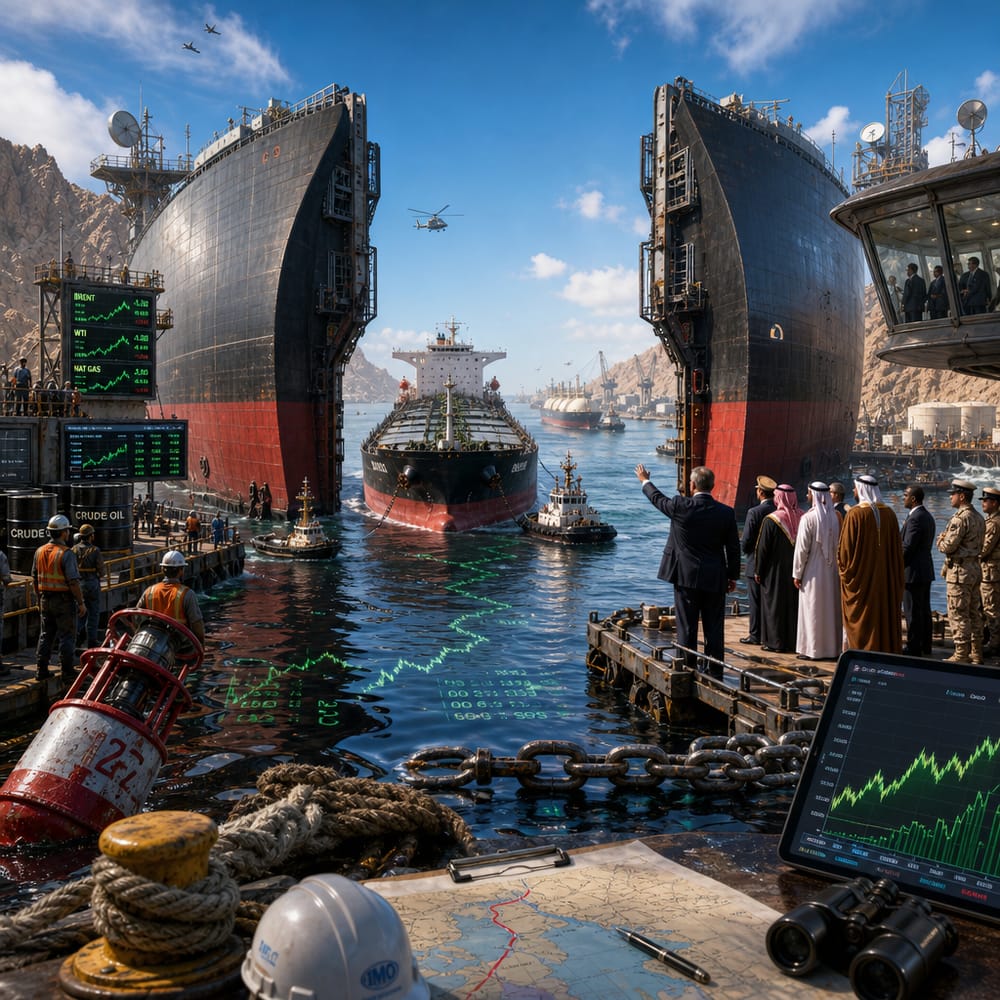
In the high-stakes world of global trade, the Strait of Hormuz is the MVP. It’s the narrow waterway where nearly a fifth of the world's oil supply plays its daily game of maritime limbo. But imagine this crucial passage as a toll booth on vacation – that's the reality we've been dealing with. Now, President Trump is hinting at a groundbreaking deal that could flip the “open for business” sign back on, potentially as soon as Wednesday. The global oil market just collectively sat up in its chair.
First things first – why the fuss over this waterway? Picture every oil tanker as a massive inchworm, painstakingly carrying the black gold that powers your morning commute and keeps factories buzzing. When the Strait of Hormuz is closed, those inchworms are stuck, and the oil supply chain takes a nose dive off a cliff. That's why any murmurings about reopening it are enough to make traders hyperventilate.
President Trump's announcement from his travel leg in California comes against a backdrop of halted traffic and soaring oil prices. Why? Because the world's energy arteries have been metaphorically clogged like a fast-food junkie's after a super-sized meal. The possibility of reopening the Strait of Hormuz is akin to a triple bypass for the global economy – a chance to breathe easier.
REOPENING THE STRAIT: VIABILITY AND TIMELINE
Details about the timeline are sketchy, more so than your neighbor’s alibi about who ate the last slice of pizza. Yet, whispers of negotiations between Iran, Oman, and other stakeholders suggest a deal could be around the corner. The U.S., alongside Israel, has been at the forefront of this diplomatic juggling act, trying to balance peace, oil flow, and the occasional geopolitical spat.
If all goes according to plan, we could see the resumption of Middle Eastern oil supply faster than you can say "fiscal quarter." The logistics of the reopening mean tankers could be cruising through in a matter of days once the ink dries on the agreement. Oil markets, typically as jittery as a cat in a dog park, are already showing signs of anticipatory jitters.
IMPACT ON OIL, STOCKS, AND GLOBAL TRADE
The immediate aftermath of such a deal? Crude oil prices could take a tumble, much to the delight of consumers and industries alike. Cheaper oil would be a welcome reprieve in a world where inflation has become a dinner table topic right up there with who got booted off reality TV last night.
Energy stocks, on the other hand, could have a mixed reaction. While lower oil prices might squeeze margins for producers, ample supply and restored flow are music to the ears of distributors and refiners. Expect energy equities to act like they’re on a roller coaster – thrilling dips included.
But hold onto your hats, because the ripple effects of this deal could stretch far beyond Wall Street. Emerging market currencies, often battered by oil price volatility, might catch a break. The reduced cost of importing oil could give these economies a much-needed cushion, potentially stabilizing currencies and boosting purchasing power.
GEOPOLITICAL BACKDROP AND RISKS
Let's not forget the geopolitical stakes. The Strait of Hormuz has been a hotbed of tension akin to a family reunion with secret grudges. Any agreement to reopen it would be more than just an economic boon; it would be a diplomatic victory, a glimmer of hope that even amidst conflict, cooperation isn’t a bygone relic.
But don’t pop the champagne just yet. The risks remain as tangible as ever. The region’s instability means that any deal comes with a side order of uncertainty. It's a bit like agreeing to a ceasefire in a snowball fight – everyone’s a little too eager to grab the next snowball.
INFLATION AND FUTURE OUTLOOK
In the grand scheme of things, reopening the Strait of Hormuz could act as a pressure release for inflation. Lower oil prices might ease the cost of goods and services, putting some extra change back into consumers’ pockets. This is crucial as policymakers grapple with inflationary pressures that make budgeting feel like a game of financial Twister.
The market’s reaction to this potential deal is a masterclass in anticipation and speculation. Can Trump and his cohorts deliver on their promise? Will peace hold long enough for tankers to glide smoothly through Hormuz once more? These are the million-dollar questions keeping traders awake at night.
For now, all eyes remain glued to the developments in this high-stakes geopolitical chess game, where each move could tip the global economic scales. As the world waits with bated breath, one thing is for sure: the reopening of the Strait of Hormuz could be a game-changer for oil, stocks, and the vibrant, chaotic world of global trade.
This article is for informational purposes only and is not investment advice. Always do your own research or consult a licensed financial professional before making investment decisions.
© Copyright 2024. All Rights Reserved.
© Copyright 2024. All Rights Reserved.