

Oil Prices Surge as OPEC+ Weighs Supply Cuts Amid Global Uncertainty
Thursday, December 05, 2024
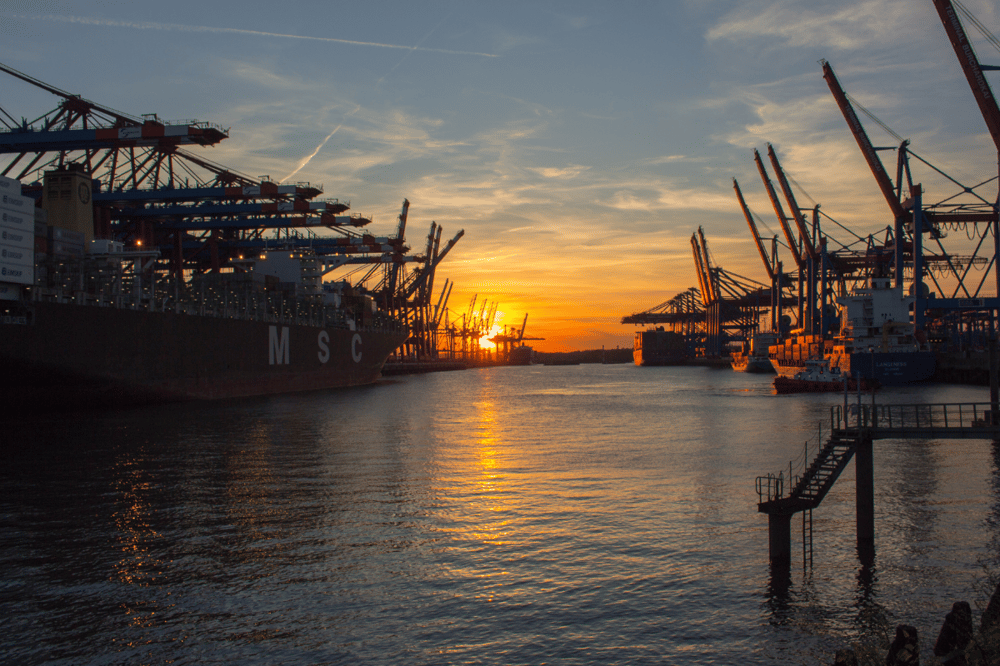
The latest rise in oil prices is yet another chapter in the ever-dramatic saga of OPEC+ decisions, Middle East volatility, and U.S. economic intrigue. Brent crude is up 0.2%, settling at $72.43 a barrel, and U.S. crude is matching pace at $68.70. But why is the market holding its breath? Two big words: production cuts.
OPEC+: Tightening the Spigot
OPEC+ is poised to extend production cuts through early 2025, signaling a continued commitment to stabilizing prices. It's a balancing act: bolster prices by restricting supply, or ease cuts to reclaim market share. The backdrop for this debate includes softening global demand, partly offset by a somewhat optimistic U.S. economic outlook. Commodity analyst Satoru Yoshida has hinted at a broader year-end rally, buoyed by a recovering U.S. economy and the perennial wildcard: Middle East tensions.
Middle East Matters
Geopolitical tremors are also adding pressure. With Lebanon’s Hezbollah significantly weakened but far from dormant, and Israel’s threat of renewed conflict hanging in the air, the region remains a pivotal risk factor. Such unrest tends to inject volatility into the oil market, making those barrels even pricier.
The U.S. Factor
Closer to home, U.S. crude stockpiles fell more than expected last week as refiners ramped up operations. This surprise draw is lending additional support to prices, showing that domestic demand might not be cooling as much as anticipated.
What’s Next?
The oil market is no stranger to knee-jerk reactions. If OPEC+ decides to tighten supply further, prices could spike in the short term. But there’s a counterweight: prolonged cuts risk alienating key consumers and spurring competitors to ramp up production. Meanwhile, Middle East dynamics could push prices in either direction, depending on whether truce negotiations stabilize or disintegrate into fresh conflict.
For now, it’s a waiting game. Investors, governments, and consumers alike are bracing for the ripple effects of this week’s OPEC+ meeting. If history is any guide, the only certainty is more drama—and probably higher gas prices.
© Copyright 2024. All Rights Reserved.
© Copyright 2024. All Rights Reserved.