

Oil Holds Steady as Traders Weigh OPEC+ Supply Boost
Tuesday, October 07, 2025
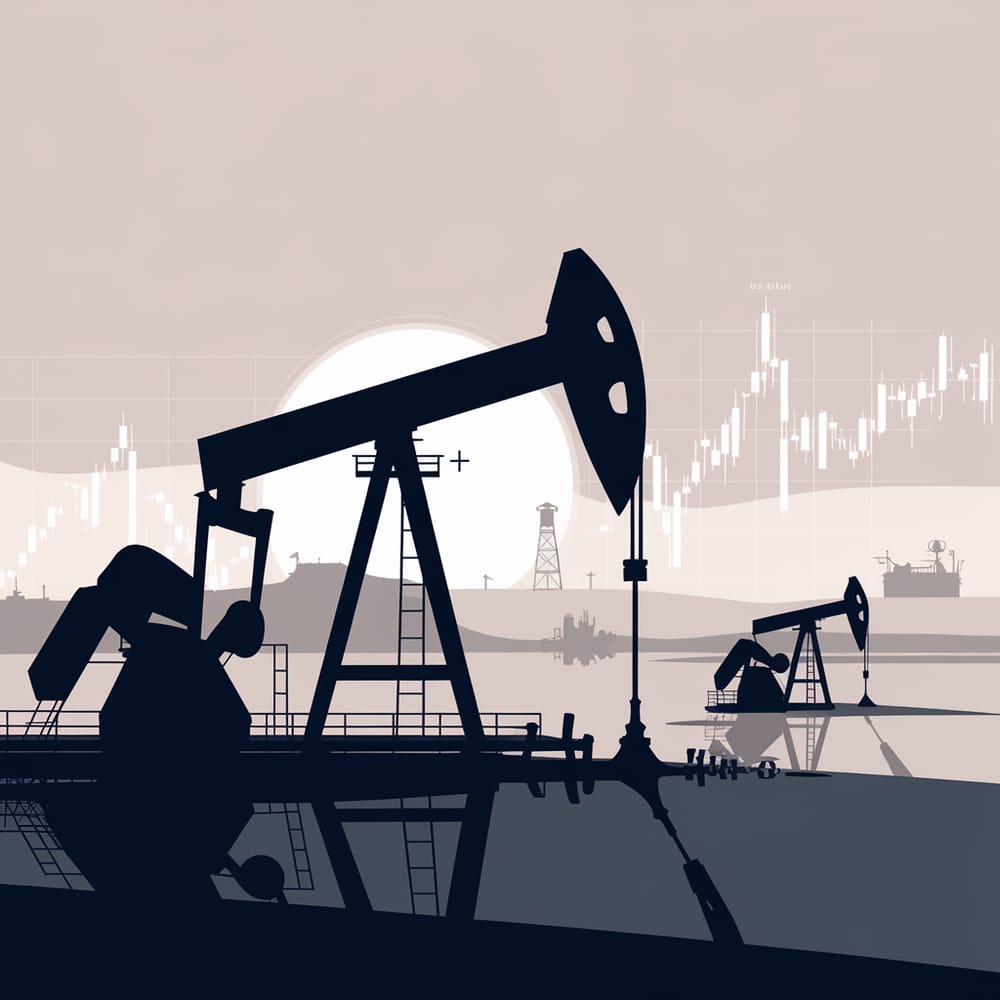
Market Pauses After a Strong Week
Oil prices leveled off Tuesday following a two-day climb, as traders digested the latest OPEC+ decision to modestly increase supply. Brent crude hovered near $66 a barrel, while West Texas Intermediate traded just under $62 — both easing slightly after their recent rebound.
A Cautious Saudi Signal
OPEC and its allies, including Russia, agreed over the weekend to lift output by 137,000 barrels a day, a relatively small bump that reflects a careful balancing act. In a surprise move, Saudi Arabia kept its key crude price for Asia unchanged, signaling caution at a time when traders were expecting a hike.
From Rally to Reality
After rallying earlier this month, oil markets are adjusting to signs of potential oversupply. Crude prices fell for two straight months in August and September, weighed down by fears that higher production could outpace global demand. Traders now appear focused on whether the rebound can last or if another pullback looms ahead.
OPEC+ Tries to Reclaim Market Share
The group’s ongoing production ramp-up is part of a strategy to reclaim global market share, even as competitors across the Americas keep boosting output. Analysts say this tug-of-war could limit price gains in the near term. Meanwhile, geopolitical risks remain in play — especially with Ukrainian drone strikes on Russian energy infrastructure, which could disrupt supplies if the conflict escalates further.
Analysts See a Narrow Trading Range
According to Vivek Dhar of the Commonwealth Bank of Australia, Brent prices are likely to hold between $60 and $65 a barrel if global inventories continue to expand and diesel demand softens. The market seems caught between two forces: rising production that pressures prices lower and persistent geopolitical tensions that prevent a major drop.
The Bottom Line
Oil’s latest pause looks less like a breakdown and more like a breather. Traders are treading carefully — wary of OPEC+ supply moves, watching demand signals, and gauging whether recent price weakness is the start of something bigger or just another short-term reset.
© Copyright 2024. All Rights Reserved.
© Copyright 2024. All Rights Reserved.