

Oil Breaks 100 as Iran War Sends Shock Through Global Markets
Monday, March 09, 2026
Energy Prices Cross a Critical Threshold
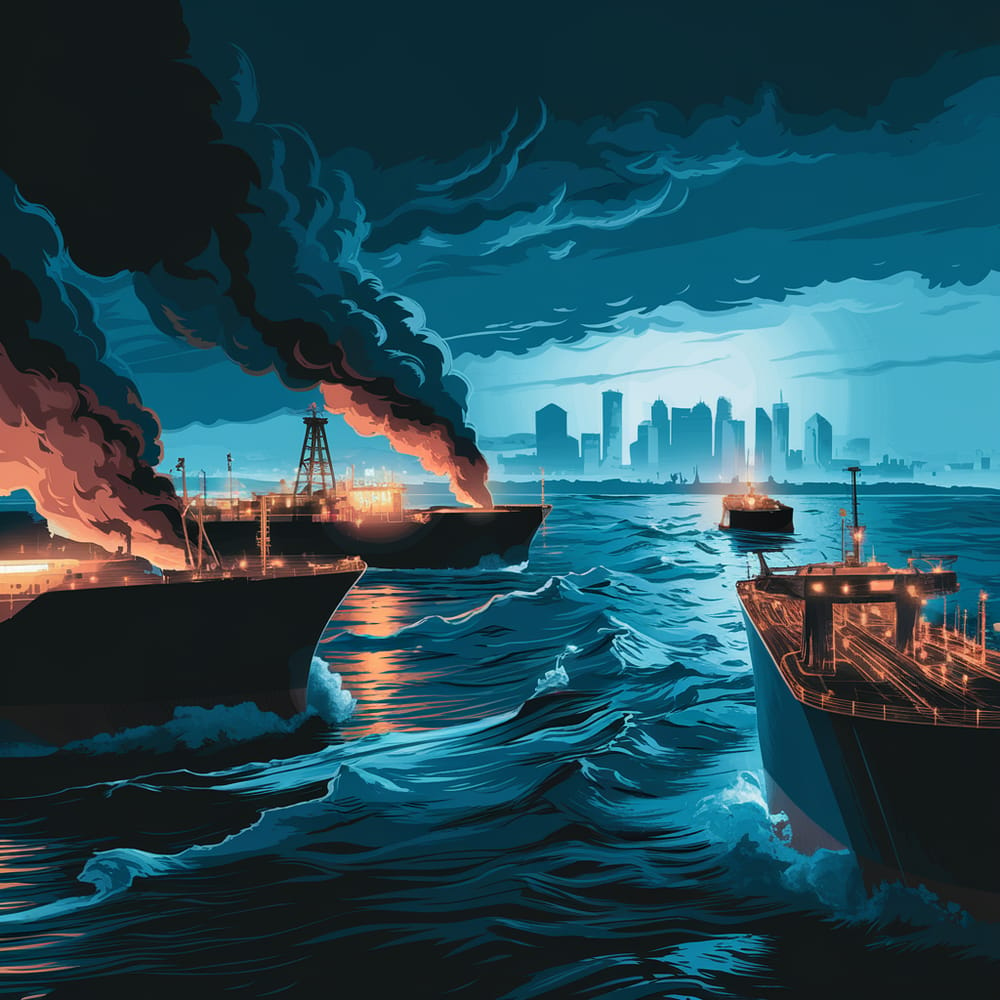
Oil prices surged past one hundred dollars per barrel for the first time since 2022 as the conflict involving Iran intensified and tanker traffic through the Strait of Hormuz remained disrupted. West Texas Intermediate climbed above one hundred two dollars, while Brent crude rose to around one hundred six dollars. The surge reflects mounting fears that prolonged disruptions to one of the world’s most vital energy corridors could tighten global supply.
Markets React Swiftly
Financial markets responded immediately to the oil spike. Dow futures plunged by nearly nine hundred points, while futures tied to the S&P five hundred and Nasdaq also dropped sharply. Asian equities initially sank before trimming some losses after reports that Saudi Arabia may release additional crude supply to help stabilize markets.
Political Stakes Continue Rising
The geopolitical landscape is also shifting quickly. Iran has named Mojtaba Khamenei, the son of the late Ayatollah Ali Khamenei, as the country’s new supreme leader. At the same time, US officials have ordered some government personnel to leave Saudi Arabia as tensions across the region escalate.
Short Term Pain Long Term Strategy
President Trump described the surge in oil prices as a “very small price to pay,” signaling that the administration remains committed to its strategy despite the economic shock. The comment underscores how policymakers are framing the conflict as a strategic priority even as global markets react to the fallout.
Diplomacy and Energy Supply in Focus
Despite the turmoil, US officials suggest the disruption may not last indefinitely. Energy authorities say tanker traffic through the Strait of Hormuz could resume within weeks if security conditions stabilize. Meanwhile, world leaders are preparing for high-stakes diplomatic meetings, including talks between the United States and China and an emergency gathering of G7 nations aimed at managing the escalating crisis and its impact on global energy markets.
© Copyright 2024. All Rights Reserved.
© Copyright 2024. All Rights Reserved.