

Oil Trades Near Four-Month Low: Easing Strait of Hormuz Tensions
Thursday, July 02, 2026
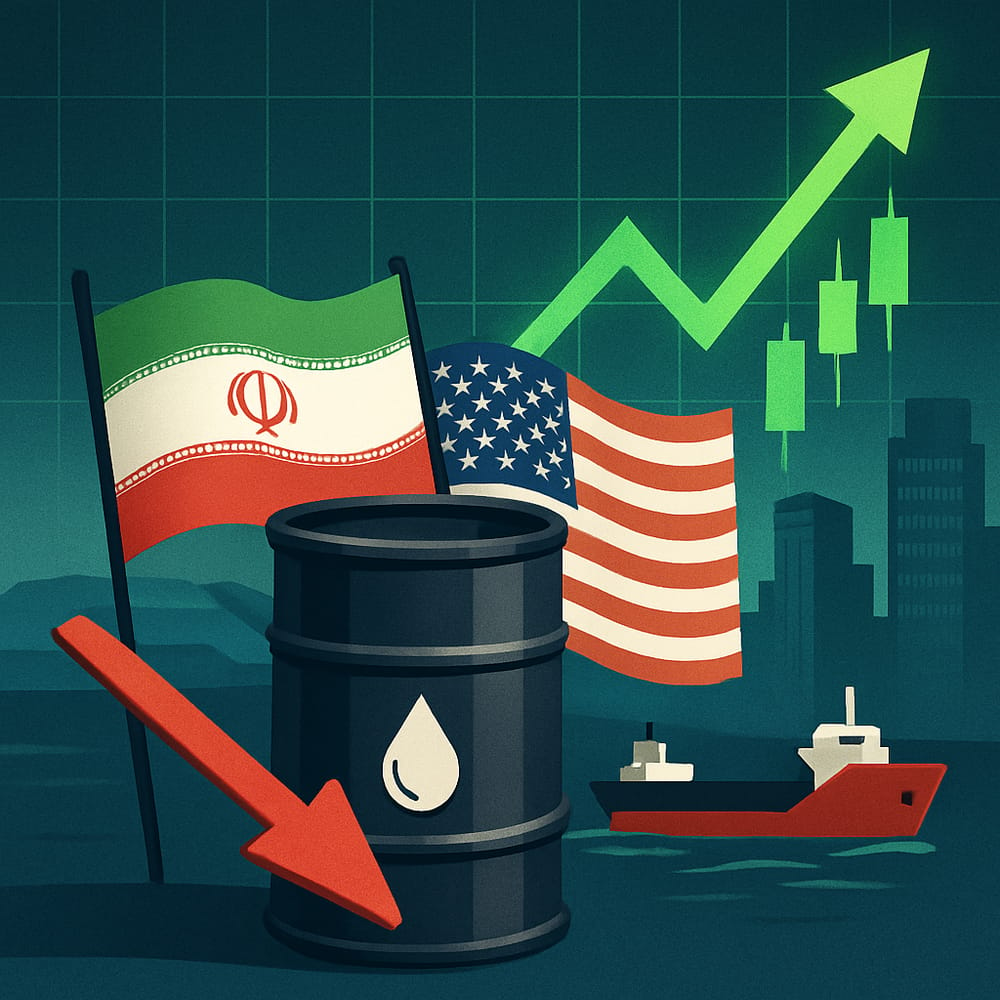
OIL TRADES NEAR FOUR-MONTH LOW: WHAT IT MEANS FOR YOU
If you’re craving some financial sunshine in your newsfeed today, then here’s a forecast: oil prices have slipped to their lowest point in nearly four months. That's right, crude oil is chillier than a polar bear's toenails, hanging around levels unseen since early spring. But before you pop the cork, let’s dive into how this slippery situation could impact your investments, your drive to work, and maybe even that cheeseburger you planned for lunch.
WHAT'S THE DEAL WITH OIL?
The Strait of Hormuz, a geopolitical hotspot and one of the world’s most important shipping lanes, is finally cooling off, and not just because someone turned down the AC. Tensions have eased, meaning that tankers full of black gold are passing through more smoothly and with fewer anxious glances over the shoulder. This happy maritime news has sent crude prices tumbling down a few flights of stairs, landing at levels we haven’t seen in a while.
WHAT DOES THIS MEAN FOR OIL PRODUCERS?
Let’s talk about those oil bigwigs like ExxonMobil and Chevron. In the oil game, it's a bit of a tightrope walk. When prices drop, their profit margins start to feel the squeeze. Imagine trying to pay for a platinum-level gym membership on a bronze-level budget; it’s a challenge. They may need to think strategically about production levels, investment cuts, or other ways to keep their balance sheets from looking like a ghost town.
And here's the rub: they’ve been riding high on the profit wave for a while now, thanks to previously sky-high prices. But if this low-price trend sticks around longer than a bad in-flight movie, these companies might have to rethink their strategies. Will they cut back on drilling or try to reel in costs elsewhere? Only time will tell, but savvy investors might want to keep an eye on how these energy titans adapt.
HOW ABOUT YOUR WALLET?
Lower oil prices could mean a smoother ride for sectors you wouldn’t necessarily connect with slick rigs and drilling platforms. Think about industries that guzzle energy like a marathon runner after a long race—transportation, manufacturing, and even your local grocery store. If fuel costs drop, it’s like finding a twenty in your coat pocket. Those savings could be passed on to you, the consumer, and might even help take a bit of the edge off inflation’s recent pinch.
But wait, it gets even juicier. If energy costs fall, transportation companies might lower freight costs, which means your favorite avocado toast (or whatever floats your culinary boat) could actually become a tad cheaper. Plus, with the Federal Reserve's eyes glued to inflation metrics more closely than a cat watches a laser pointer, lower energy prices might ease some of that pressure and potentially influence interest rate decisions.
IS THIS THE NEW NORMAL?
Now, for the million-dollar question: is this lower price here to stay, or is it just a fleeting visit? Good question. The oil market is as unpredictable as a reality TV show plot twist. Geopolitical tensions, economic data, and even Mother Nature herself can stir the pot faster than you can say “crude oil futures.”
Analysts are divided on whether this trend of lower oil prices will stick around. With the Federal Reserve keeping a watchful eye on inflation, the oil market could influence rate decisions. Plus, if global demand bounces back, those prices might not stay in the bargain bin for long.
Dare I say, invest wisely? Keep your eyes open for updates, particularly from big oil players and how they navigate these choppy waters. And remember, just because oil’s down doesn’t mean it’s out—markets, like life, have a funny way of surprising us when we least expect it.
In the meantime, enjoy the reprieve at the pump, and maybe use those savings for something fun—or practical, like a savings stash or an extra fancy latte. After all, in the world of finance, you never know what’s coming next.
This article is for informational purposes only and is not investment advice. Always do your own research or consult a licensed financial professional before making investment decisions.
© Copyright 2024. All Rights Reserved.
© Copyright 2024. All Rights Reserved.