

Oil Spike and Middle East Tensions Fuel Inflation Anxiety
Thursday, August 20, 2026
OIL SPIKE AND MIDDLE EAST TENSIONS FUEL INFLATION ANXIETY
Feeling a pinch at the pump lately? You’re not alone. As if dragging yourself to work on a Monday weren't painful enough, those rising gas prices are hitting your wallet harder than a Friday night steak dinner. You can thank the geopolitical hotspots for that — particularly the Middle East, where every diplomatic eyebrow raise seems to send oil prices on a rollercoaster ride.
Here's the scoop: The U.S. and Iran are flexing their muscles over the Strait of Hormuz, that crucial chokepoint through which a significant chunk of the world’s oil supply flows. But instead of smooth sailing, think of it as bumper cars, with everyone on edge and oil prices spiraling upward faster than you can say “crude.” It’s like trying to run a marathon with a sprained ankle — the global economy is struggling to keep pace.
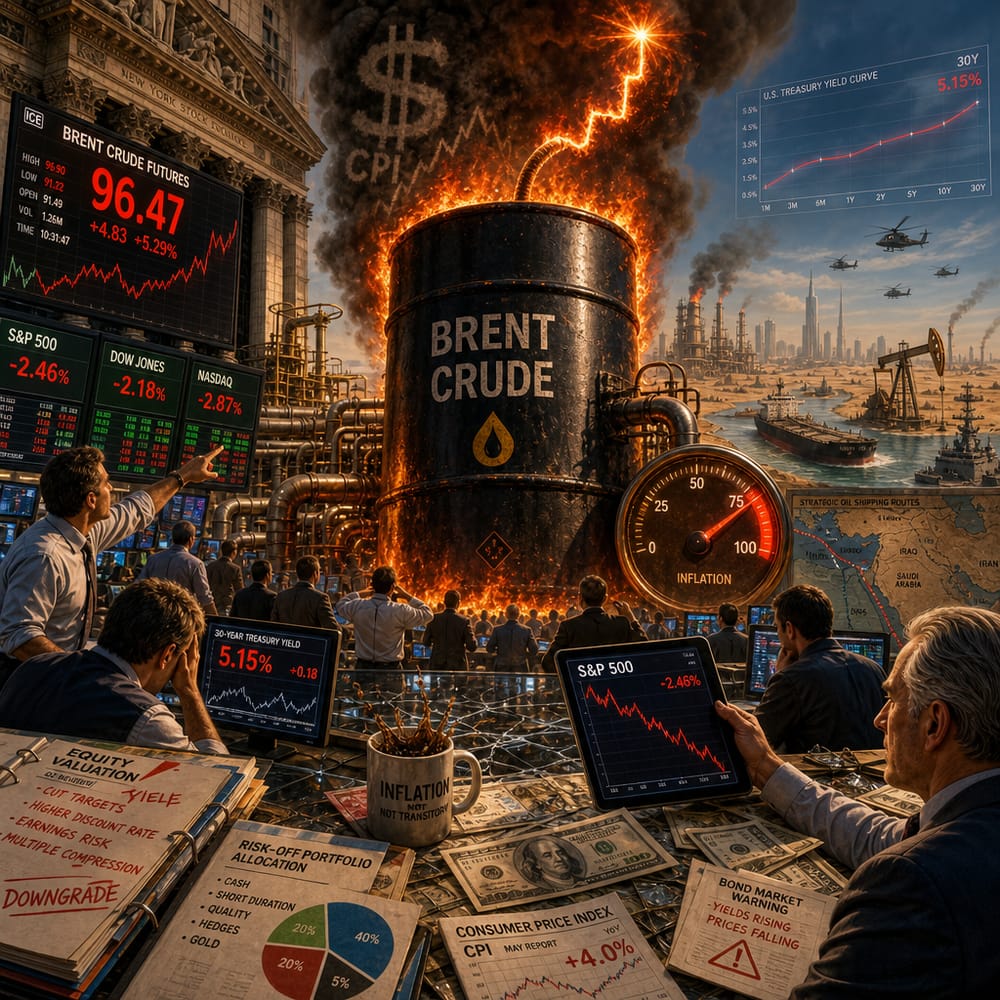
Brent Crude, that slick and shiny barometer of global oil markets, is climbing. Higher oil prices inevitably trigger inflation — that monster under the bed that keeps central bankers up at night. With higher oil prices, everything from your morning latte to that summer road trip just got pricier. Companies are already dealing with rising input costs, and consumers are wincing at the cash register. Inflation is a relentless tide, washing up costs on every shore.
Markets aren't just watching; they're reacting, and not in a good way. Wall Street is jittery, like a caffeinated squirrel, with the S&P 500 feeling the burn. Investors are eyeing those 30-year Treasury yields with suspicion, as they tick upward, mirroring the anxiety in the air. When the price of borrowing rises, everything slows down a bit — kind of like running uphill with a backpack full of rocks.
If you’re wondering why markets are so spooked, look no further than the Federal Reserve. With these inflationary pressures mounting like an overdue credit card bill, questions swirl around the Fed’s next move. Will they pump the brakes on interest rates, or will they gun it, hoping to steer the economy away from a cliff? Investors are trying to read the Fed’s tea leaves, but it feels more like guessing the weather in San Francisco — entirely unpredictable.
So, what sectors are getting caught in the fray? Energy stocks are basking in the glow of rising oil prices, reminiscent of that friend who always manages to profit from chaos. But retail and consumer goods? Not so much. Walmart’s recent earnings miss is a testament to the squeeze on consumer spending. Higher gas prices are not just eating up disposable income but also skimming the cream off retail profits. It's the classic tale of having too much month at the end of your money.
Meanwhile, tech stocks are navigating these choppy waters like an over-caffeinated gamer on a high-speed chase. With inflation fears casting shadows, the tech sector's sky-high valuations could face a reality check. Investors, after all, love a good growth story, but inflation has a way of making those narratives look a bit less heroic.
In the world of finance, it all boils down to sentiment. Geopolitical tensions have a knack for making markets feel like they’ve had one too many espressos — jittery and prone to overreaction. It’s not just about the headlines; it’s about how investors feel when they roll out of bed and check their portfolios.
So, what’s the play for everyday investors like you and me? Keep an eye on oil prices, certainly. But also watch the broader market sentiment and the all-important Fed moves. Diversification remains your best friend — because when the tide of inflation rises, it helps to have a portfolio that can float.
In the end, the interplay between geopolitics and markets is a complex dance. Rising oil prices aren't just about filling up your tank; they're about the ripple effects across the global economy. For now, keep your ear to the ground and your eye on the pump — both indicators of where the economy is headed. And who knows? With a little luck, we might just navigate through this turbulence without spilling our proverbial coffee.
This article is for informational purposes only and is not investment advice. Always do your own research or consult a licensed financial professional before making investment decisions.
© Copyright 2024. All Rights Reserved.
© Copyright 2024. All Rights Reserved.