

Oil Slips as Middle East Peace Talks Ease Pressure—What’s Next for Energy?
Monday, July 06, 2026
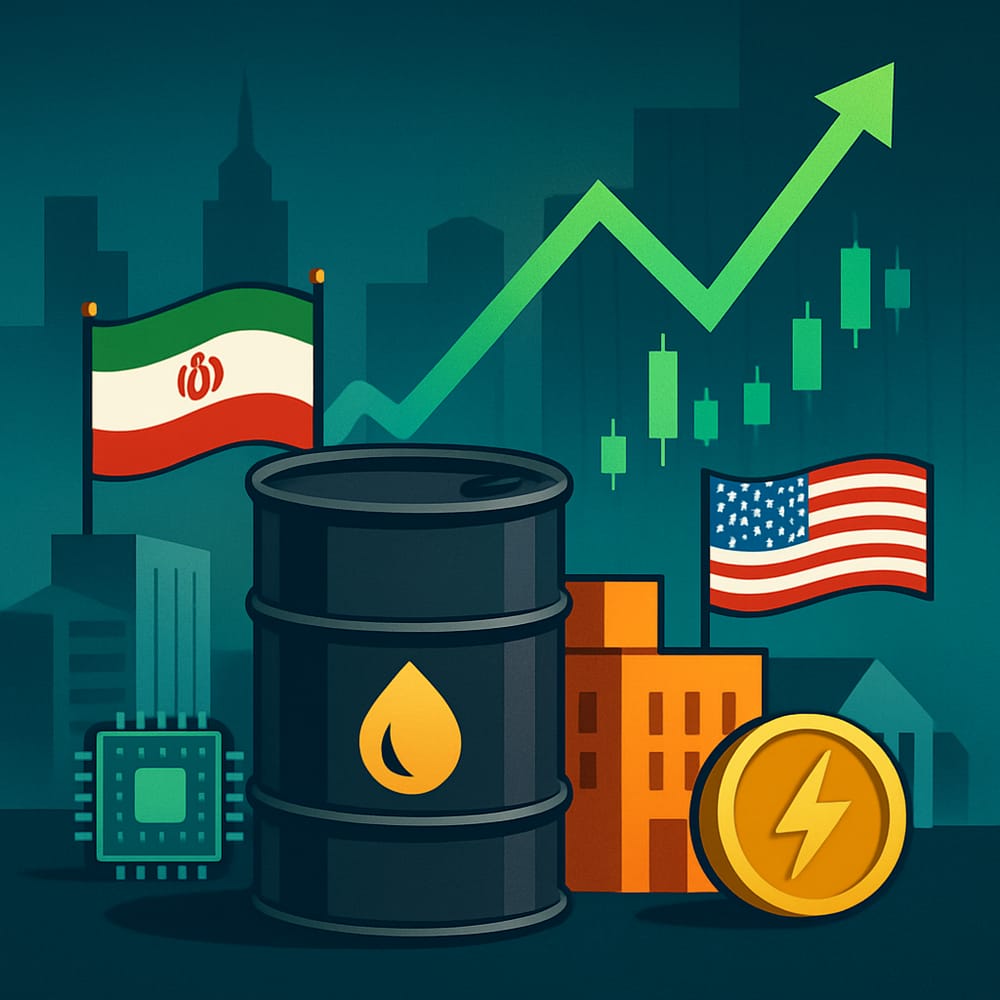
OIL SLIPS AS MIDDLE EAST PEACE TALKS EASE PRESSURE—WHAT'S NEXT FOR ENERGY?
Oil prices just did what my high school sleep schedule never could—they eased up. With tensions between the U.S. and Iran cooling faster than a forgotten cup of coffee, crude oil prices have taken a step back, leaving energy markets buzzing with speculation. What does this mean for you, the everyday investor? Let’s dive into the nitty-gritty of what’s next for energy and how it might light up or dim your portfolio.
WHY PRICES ARE DIP, DIP, DIPPING
As soon as the ink was dry on the peace plan between the U.S. and Iran, oil prices started their descent. The Strait of Hormuz, a crucial artery for global oil flow, is gradually reopening, putting more black gold on the market. OPEC+ is also feeling generous, increasing output quotas yet again. It's like they’re hosting an oil party and everybody’s invited. Now don't go expecting prices to drop to "gas stations give it away for free" levels, but the decline is enough to make any driver do a happy dance at the pump.
WHO'S SMILING AT THE PUMP?
For the everyday consumer, lower oil prices mean cheaper gas. The average price of a gallon of regular is now below $4, and you can bet folks are loving that. After all, there are only so many limbs you can sell to afford filling up the tank. But cheap gas is just one piece of the puzzle. Airlines, shipping companies, and anyone else whose business model depends on not burning money as fuel can breathe easier, too.
But if you're on the other side of the equation—say you're holding stocks in energy companies—the picture's not quite as rosy. Companies like Chevron might feel the pinch as revenues get a haircut. The market's like a seesaw; when consumers are up, producers are down.
CAN OIL STAY SOFT?
The big question is whether these lower prices have legs or if they're just taking a catnap. Peace in the Middle East has a notoriously short shelf life, and any flare-up could send prices spiraling upwards faster than you can say "geopolitical instability." But for now, market players are betting on a period of calm.
On a global scale, supply is poised to outpace demand as OPEC+ cranks up the spigots and the straits open wider. Unless we see a blockbuster come-from-behind victory for the chaos team, prices could stay in this lower range for a while. So maybe keep the party hats handy but hold the champagne.
PLAYING THE STOCK GAME
Now, if you're watching energy stocks and ETFs like a hawk, you know it's all about picking your battles. In the land of energy, having pricing power is king. Companies that can keep their margins juicy even when prices dip might be your best bet. That's because not all energy companies are created equal; some are built to weather the storm better than others.
Energy ETFs that spread the love across multiple companies can also be appealing. It's like a buffet—some items might be less appetizing, but the variety means there's always something tasty. As an investor, it might be wise to seek out those with exposure to companies focused on innovation and efficiency.
THE FLIP SIDE OF THE COIN
While lower prices are great news for your wallet at the pump, they pose challenges for producers. Energy companies may face tighter profit margins, potentially stalling dividends and growth projects. But hardship breeds innovation—tight conditions might push companies to find more efficient ways to extract and process their products.
In this evolving landscape, it's crucial to stay informed and savvy. Keep an ear to the ground for any rumblings from the Middle East or strategic moves by big oil players. It’s all about balance—knowing when to strike and when to sit back and watch the fireworks.
So, what's next for energy? Well, the future's as uncertain as ever, but the current scene is ripe with potential for sharp-eyed investors. Whether you're gassing up your SUV or eyeing that energy stock, knowing the dance between geopolitics and market forces is your best ticket to staying ahead. Keep watching, because in the world of oil, the only constant is change.
This article is for informational purposes only and is not investment advice. Always do your own research or consult a licensed financial professional before making investment decisions.
© Copyright 2024. All Rights Reserved.
© Copyright 2024. All Rights Reserved.