

Oil Rallies on Middle East Maritime Tensions
Tuesday, July 07, 2026
OIL RALLIES ON MIDDLE EAST MARITIME TENSIONS
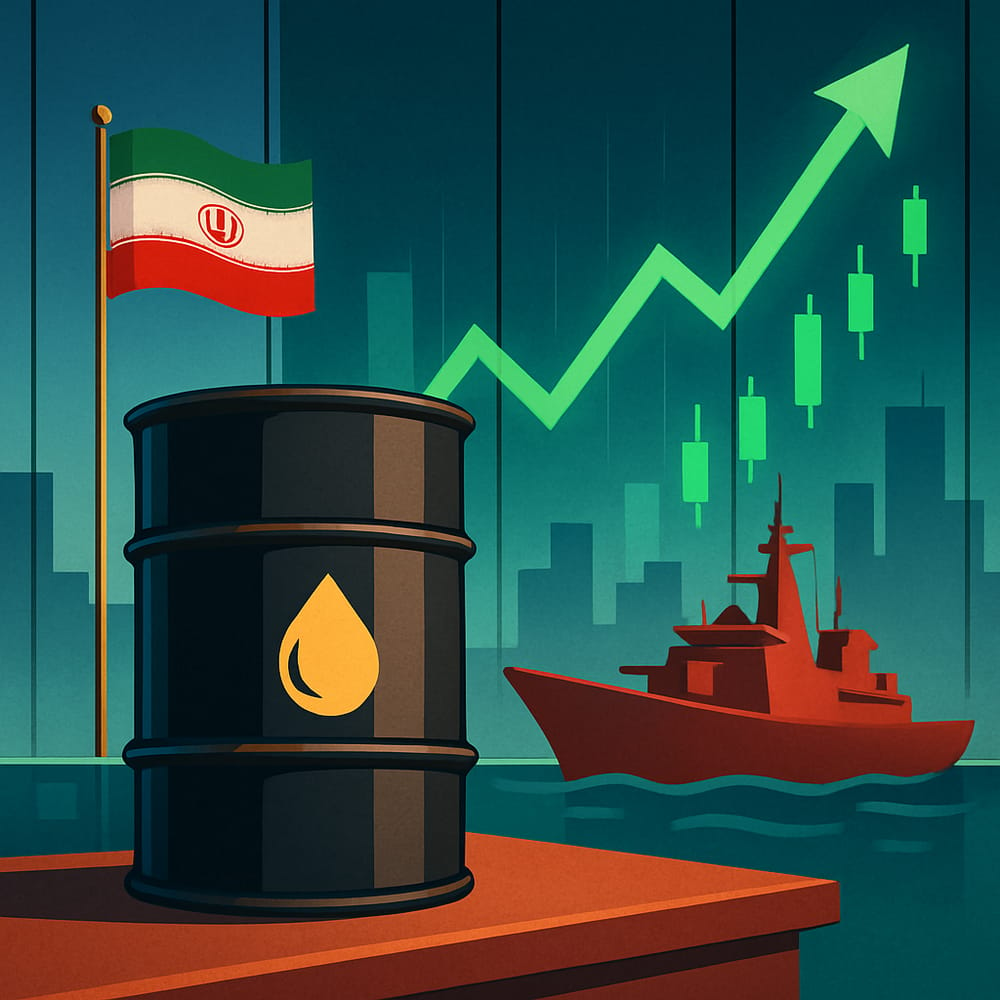
Oil, that slippery stuff that fuels your commute and pretty much every part of modern life, is getting a bit pricier this week. What's the culprit? A little bit of geopolitical drama on the high seas. Iran decided to play pirate in the Strait of Hormuz, firing missiles at commercial ships, which is apparently this summer's hottest new and dangerous sport. And that, dear reader, is rippling through the oil market like a stone tossed in a calm pond.
So why does this matter? Well, the Strait of Hormuz is not your everyday body of water. It's the narrow neck through which about 20% of the world's oil traffic passes. Imagine it as the Panama Canal of the Middle East but with a lot more tension and a lot less cute canal boats. Iran's antics have made this already volatile region feel like the financial equivalent of a high-stakes poker game, and investors are biting their nails.
Let’s break down the immediate effects. In short, prices are up. The international benchmark Brent crude has risen about 50 cents, steadying itself at $72.49 a barrel, while the U.S. grade, West Texas Intermediate, climbed to $68.94. Not monumental leaps, but enough to give traders some pause—and maybe make you wince next time you're at the pump.
The Strait of Hormuz has always been a geopolitical chessboard, but now it’s more like one of those intense speed chess matches where everyone sweats and nobody blinks. The stakes are higher than the Empire State Building, and global supply chains might start feeling the squeeze. If the ships stop moving, the oil stops flowing, and if the oil stops flowing, supply chains could gurgle like an unplugged drain.
The immediate rise in oil prices is a clear signal that investors are already preparing for possible disruptions. Imagine a Rube Goldberg machine where a butterfly flaps its wings in the Strait of Hormuz and causes a chain reaction that echoes through supply chains worldwide. That’s the kind of complexity we’re dealing with here.
Now, let’s talk long-term. If tensions continue, oil prices might not just spike temporarily—they could start climbing a steep, arduous hill. And as they rise, so too might inflation, which is the last thing anyone wants to hear when summer vacations and back-to-school shopping are on the horizon. Stock up on sunscreen and pencils, just in case.
Energy stocks, meanwhile, are having a field day. Companies like ExxonMobil and Chevron are seeing their stock prices flutter upwards as investors anticipate higher profits. After all, higher oil prices often translate to fatter profit margins for these giant energy firms. If you’re holding energy stocks, you’re probably feeling a little smug right now—and you’re not alone.
But hold on, don't start counting your chickens before they've hatched. While energy stocks are celebrating, the broader market has its own set of woes. Chip stocks are taking a nosedive, dragging tech-heavy indexes like the Nasdaq down with them. The roller coaster ride that is the oil market is just one part of a much larger, more complex stock market theme park.
So, what's the takeaway for us retail investors just trying to navigate our smartphone screens without getting our fingers burned? Keep a close eye on these geopolitical tensions because they’re as unpredictable as a cat on catnip—and they have a real impact on your wallet. Oil prices affect everything: your gas tank, the cost of shipping goods, and even the price of a pumpkin spice latte this fall.
In the game of oil chess currently playing out in the Middle East, every move counts. Whether you're a seasoned investor or someone who's just curious about why gas is suddenly pricier, understand that the tides of global politics can sway markets in ways that make even seasoned economists scratch their heads. Stay informed, and maybe think twice before you make that long road trip without checking the latest news first.
This article is for informational purposes only and is not investment advice. Always do your own research or consult a licensed financial professional before making investment decisions.
© Copyright 2024. All Rights Reserved.
© Copyright 2024. All Rights Reserved.