

Oil Prices Surge Amid Iran Tensions
Monday, August 17, 2026
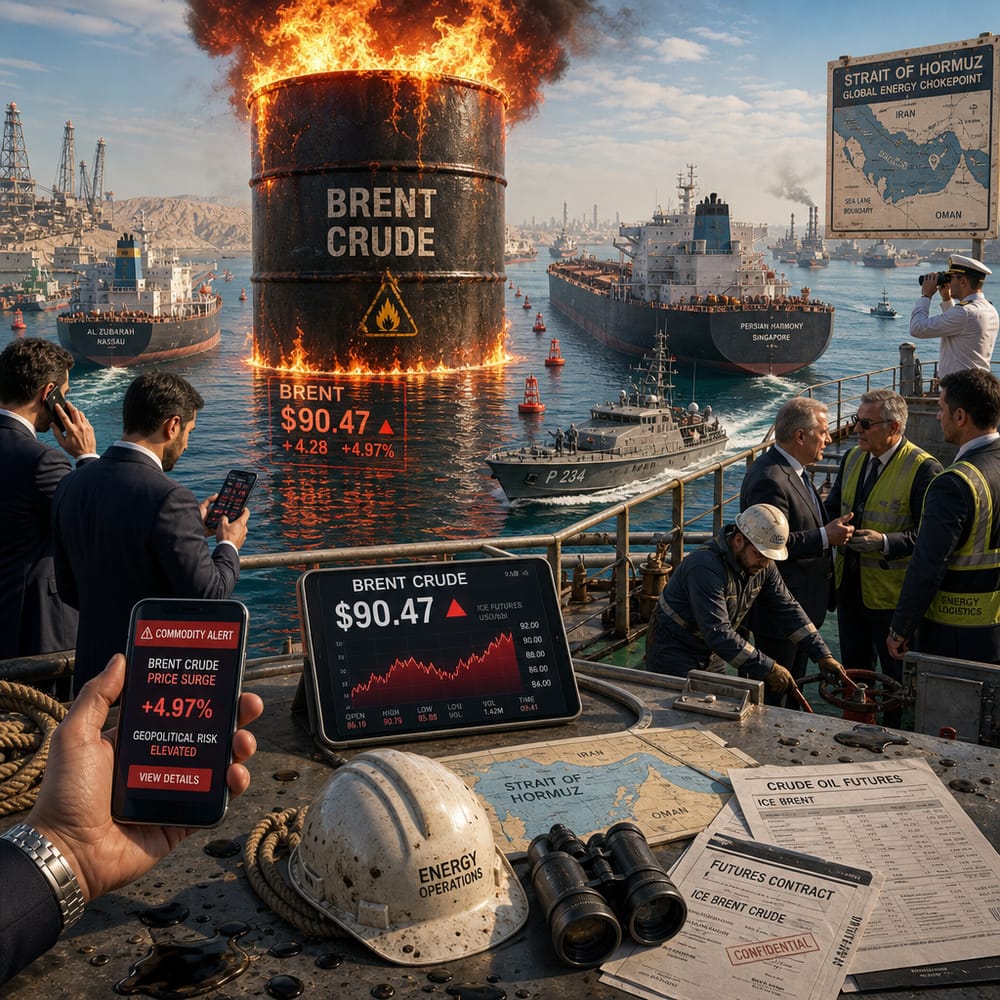
OIL PRICES SURGE AMID IRAN TENSIONS
Buckle up, folks, because the oil market roller coaster just hit another peak. Thanks to mounting tensions in the Strait of Hormuz and Iran throwing a “no deal” sign at the U.S., Brent crude oil prices have shot through the $90 ceiling like a confetti cannon at a New Year’s bash. Let’s break down why your gas bill—and maybe a few other bills—could be going up faster than you can say "geopolitical crisis."
If you’re scratching your head and wondering why this matters, here’s the lowdown: When oil prices climb, it’s not just the energy sector that feels the heat. We’re talking about a ripple effect that can rock everything from airline stocks to your weekend road trip costs.
THE OIL TITANS: EXXONMOBIL AND CHEVRON
Let’s start with the oil giants who might be rubbing their hands together with glee—or at least a strategic smile. ExxonMobil and Chevron, the big whales of the U.S. oil scene, are likely to see their profits swell like freshly pumped-up tires. Higher oil prices mean more moolah for these companies, as selling oil becomes akin to selling hotcakes at a pancake festival.
But don’t go thinking they’re just lounging on their laurels. With prices on the rise, these companies are likely strategizing faster than you can say “supply chain.” Expect them to crank up production or perhaps dig into reserves to take advantage of the high prices. They might also invest in infrastructure to boost efficiency—because when every barrel counts, making the most of each one is the name of the game.
SECTORS IN THE SPLASH ZONE
While oil companies are celebrating, other sectors are bracing for impact. Let’s talk about the transportation sector, which might be crying into its spreadsheets right about now. Rising oil prices mean higher fuel costs, which can chew into the profits of airlines, shipping companies, and even your neighborhood grocery delivery service. Anyone relying on gasoline is on edge, wondering how to pass the buck without losing customers faster than a reality TV star loses followers after a scandal.
And let's not forget manufacturing. Higher energy prices can drive up the cost of goods, impacting everything from car production to cereal boxes. If companies can’t absorb these costs, they might pass them on to consumers, triggering a snowball of inflationary pressure.
CHINA’S SURPRISE STOCKPILE
Adding more layers to this oil-soaked cake is China’s recent move to stockpile oil. This surprise twist in the plot might push prices even higher, as demand edges up globally. Why? Because when the world’s second-largest economy decides to hoard oil, it’s like your aunt buying up all the toilet paper at the start of the pandemic—everyone else is left scrambling.
WHAT’S NEXT?
So where does this roller coaster head from here? If tensions keep bubbling in the Strait of Hormuz, brace yourself for a bumpy ride. Any escalation could make oil even pricier, and the impact would ripple through markets with the grace of a toddler on a sugar rush.
Investors might want to keep a keen eye on Treasury yields as well, which hit a high note recently. Higher yields could mean more expensive borrowing, which might add another notch of pressure on sectors already feeling the pinch from rising oil prices.
In the end, whether you’re an investor, a commuter, or just someone trying to keep your grocery bill in check, it’s time to pay attention. The oil market drama might not be over, and it’s anyone’s guess how this script will unfold. But one thing's for sure—staying informed and nimble might just keep your financial ship afloat in these choppy waters. So, stick around, because the next twist in this saga could be just around the corner.
This article is for informational purposes only and is not investment advice. Always do your own research or consult a licensed financial professional before making investment decisions.
© Copyright 2024. All Rights Reserved.
© Copyright 2024. All Rights Reserved.