

Oil Prices Surge, Adding to Inflation Concerns
Sunday, August 16, 2026
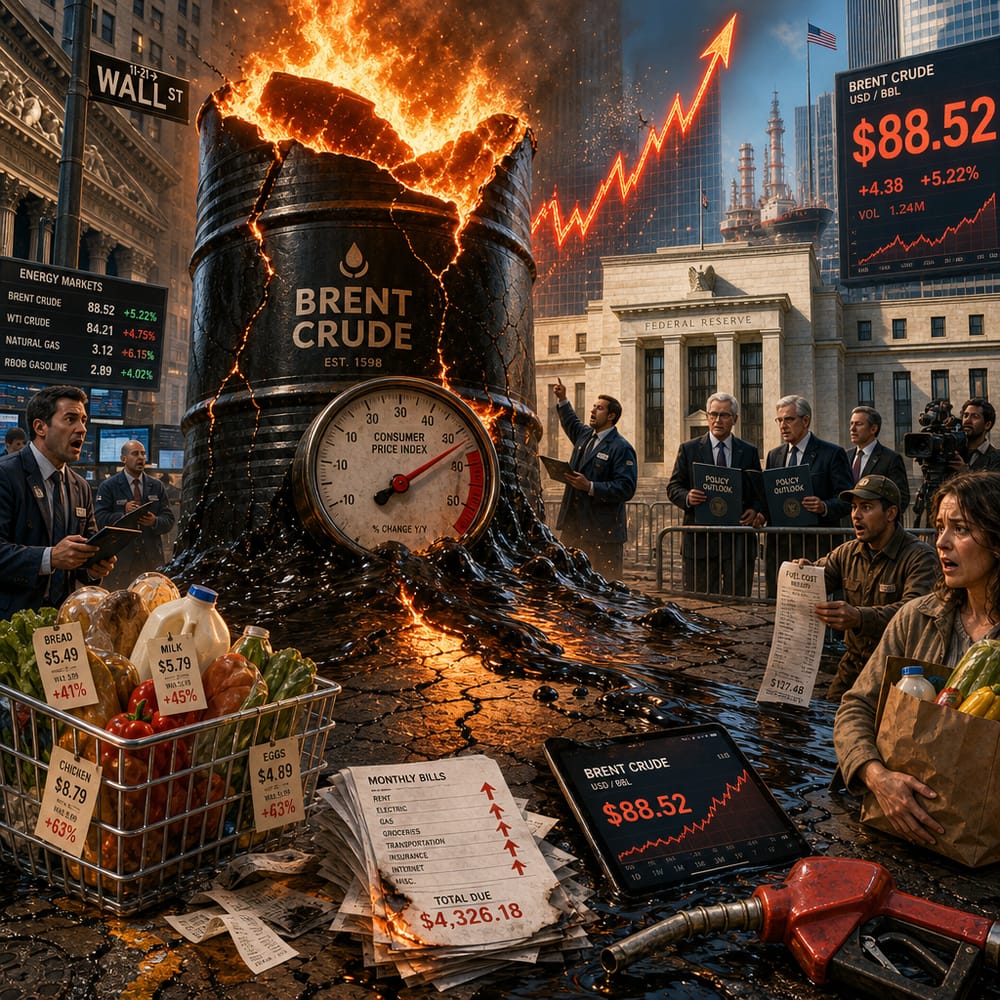
OIL PRICES SURGE, ADDING TO INFLATION CONCERNS
If your wallet's been feeling a little lighter every time you fill up the tank, you’re not imagining it. Brent crude oil prices have shot up nearly 6% over the past week, reaching a hefty $88.52 per barrel. That’s not just a number to shrug off. It’s a figure that could have serious implications for your grocery bill, your heating costs, and essentially anything that relies on transportation. Yes, that's pretty much everything.
So, why should you care? Because rising oil prices often mean one thing: inflation—and not the cute kind that makes your ballon float. We’re talking about inflation that bites into consumer spending, whether it’s on avocados or the latest tech gadget you’ve been eyeballing. And when consumer spending falls, well, that’s not a recipe for a happy economy.
Let’s dive into the oil-slicked rabbit hole. How do higher oil prices actually translate to inflation? Think of oil as the silent partner in almost every product you buy. It's not just about topping off your car anymore. It powers the trucks delivering your next meal, heats your apartment in the winter, and even plays a part in making your shampoo. When oil prices spike, the cost of doing business shoots up, and companies love to pass those costs down to us, the consumers. This, in turn, inflates prices faster than a middle school science experiment gone wrong.
With inflation already a hot topic, Brent crude's latest jump could throw more fuel on the fire—pun intended. Rising oil prices can lead to a chain reaction, making it more expensive to live our already expensive lives. And as prices rise, our good pals at the Federal Reserve, who love to meddle with interest rates, might just have to step in.
Now, the Federal Reserve is like the overly protective parent of the U.S. economy. They have two main jobs: keeping prices stable and making sure as many people as possible have jobs. When they see inflation creeping up, they tend to hike interest rates to cool things down, making borrowing more expensive. The idea is to slow down spending and prevent the economy from overheating. It’s like they're throwing a bucket of cold water on a campfire that's starting to rage.
But wait, raising interest rates isn't all sunshine and rainbows. When money’s more expensive to borrow, businesses might hold off on expanding, and consumers might think twice before swiping that credit card. That could slow down economic growth—a tricky balancing act for the Fed as they try not to trip over their own feet.
So, what’s the Fed going to do about it? They’ve been riding the cautious train, watching inflation like a hawk. If oil prices keep climbing, they might feel the pressure to raise interest rates sooner rather than later. They’ve got a tough choice: act too soon, and they risk derailing the economy; act too late, and they could let inflation spiral out of control.
In the meantime, what should you, the everyday investor, do? Keep an eye on sectors that tend to thrive when oil prices climb. Energy stocks might see a boost, but be wary of transportation and industries that rely heavily on oil, like airlines—they might feel the pinch.
And remember, while the Fed is busy wrestling with the economy, your best defense is a diversified portfolio. It's the financial world’s equivalent of not putting all your eggs in one gas-guzzling basket.
In a world where the only thing certain is uncertainty, keep your seatbelt fastened. The road ahead is paved with oil, and it’s bound to be a bumpy ride.
This article is for informational purposes only and is not investment advice. Always do your own research or consult a licensed financial professional before making investment decisions.
© Copyright 2024. All Rights Reserved.
© Copyright 2024. All Rights Reserved.