

Oil Prices Pull Back: Fed Rate Cuts, Sanctions, and Supply Jitters Keep Markets on Edge
Tuesday, December 17, 2024
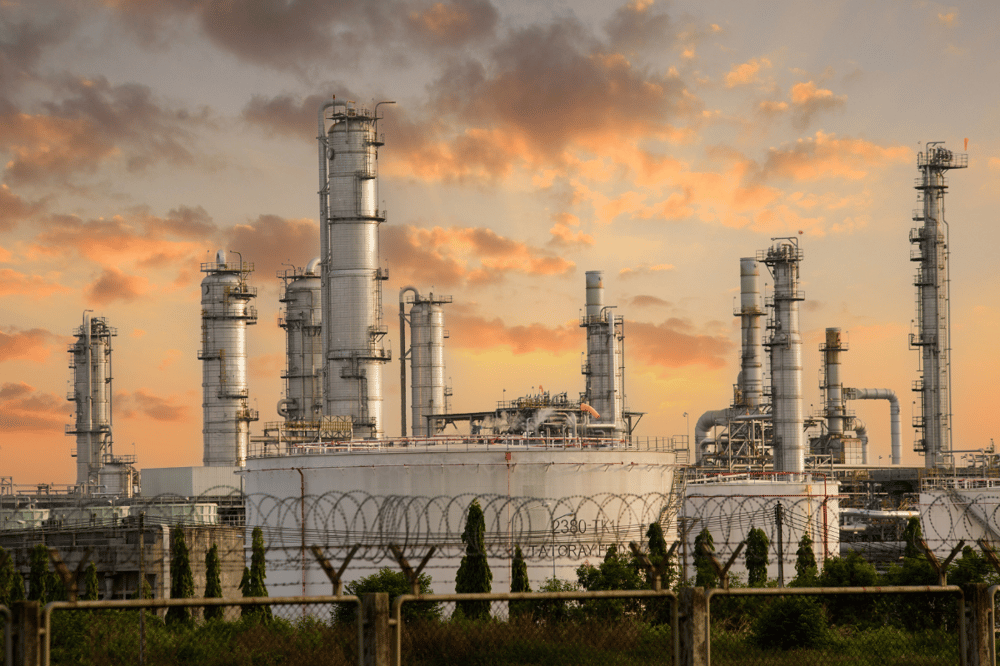
Oil’s recent rally — fueled by geopolitical anxieties and Fed rate-cut optimism — took a slight breather as futures eased from multi-week highs. Brent crude dipped to $74.28, while WTI slid to $70.99 a barrel.
The Drivers Behind Oil’s Movement
1. Rate Cut Expectations
Investors are laser-focused on the Federal Reserve’s meeting this week, where a widely expected 25 basis point cut could boost economic growth — and with it, oil demand. Lower interest rates typically stimulate activity, benefiting crude markets.
2. Geopolitical Supply Woes
Tensions remain high:
- New EU sanctions on Russian oil last week tightened supply prospects.
- The U.S. is eyeing “dark fleet” tankers and considering sanctions on Chinese banks to choke Russia’s oil revenue.
- Rising expectations of Trump-led pressure on Iranian oil exports are further amplifying supply concerns.
3. Sanctions Ripple Effect
Fresh sanctions targeting entities trading Iranian crude have already pushed up prices of oil sold to China, Iran’s key buyer. Supply disruptions from Russia and Iran are no small matter for global markets — their barrels matter, and any tightening can keep prices propped up.
The Fed’s Role in Oil’s Next Move
While the Fed’s rate cut could give oil bulls hope for a demand recovery, it’s all about the tone. A “hawkish cut” — where the Fed signals caution about future reductions — could put a lid on the recent momentum. The central bank’s updated forecasts will be critical for oil traders looking for clues on economic health into 2025 and 2026.
Outlook: Pullback or Pause?
Oil’s dip from its multi-week highs feels more like a pause than a reversal. Between tightening supply risks, fresh sanctions, and a possible Fed-driven demand boost, crude prices still have upward potential. For now, traders remain cautiously optimistic, with one hand on the buy button and the other hovering nervously over the sell trigger.
© Copyright 2024. All Rights Reserved.
© Copyright 2024. All Rights Reserved.