

Oil Prices Dip Amid Fed’s Hawkish Shift and Rising Tariff Threats
Friday, December 20, 2024
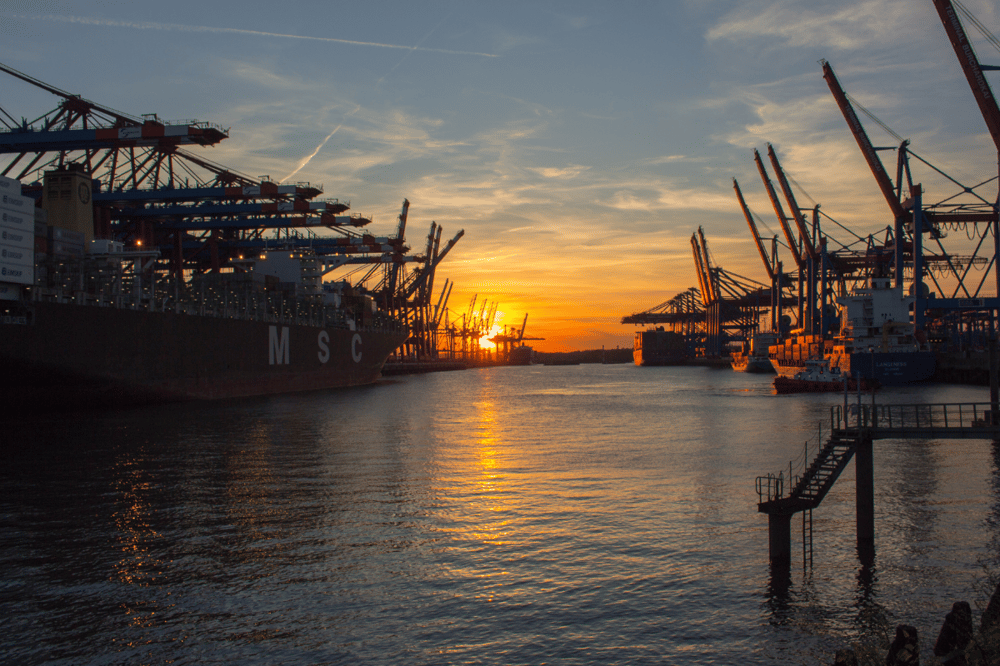
Global oil markets have turned bearish as two major forces — the Federal Reserve’s hawkish stance and escalating geopolitical risks — weigh heavily on sentiment. Brent crude dropped towards $72 per barrel, marking a 3% decline for the week, while WTI hovered near $68. Traders appear to be grappling with signals of slower monetary easing and mounting trade tensions.
The Fed's Surprise and Its Ripple Effects
The Federal Reserve’s indication of fewer interest rate cuts in 2025 caught markets off guard. Higher interest rates typically strengthen the U.S. dollar, making dollar-denominated commodities like oil more expensive for global buyers. Arne Lohmann Rasmussen, chief analyst at A/S Global Risk Management, remarked that a mix of “higher rates, a stronger dollar, and weak risk appetite” is putting downward pressure on oil prices.
This shift in the Fed’s tone has left traders recalibrating their expectations, with fears of constrained economic growth feeding into the bearish sentiment.
Trump’s Trade Ultimatum Stirs More Uncertainty
Compounding the market’s unease, President-elect Donald Trump has raised the stakes by demanding that the European Union increase its purchases of American oil and gas. In a pointed message on Truth Social, Trump threatened to impose tariffs if his demands were not met. This saber-rattling adds to existing worries about a potential U.S. government shutdown over unresolved funding issues, further dampening market optimism.
A Narrow Trading Band Reflects Stagnation
Since mid-October, oil prices have remained in a tight range, with 2024 on track for the narrowest annual trading band since 2019. A combination of weak Chinese demand, robust production from the Americas, and speculation around sanctions on Russian and Iranian oil has kept prices from breaking out.
Adding to the volatility, Group of Seven nations are reportedly debating tougher sanctions on Russian oil. Proposed measures include an outright ban or lowering the price cap on Russian crude from $60 to $40 per barrel. While these moves could tighten supply, the lack of consensus within the G7 has kept markets guessing.
What’s Next for Oil?
As 2024 draws to a close, the outlook for oil remains clouded. The interplay between central bank policy, geopolitical tensions, and supply dynamics will likely determine whether prices can escape their current range. However, with risk appetite fading and political risks rising, the path forward appears fraught with hurdles.
Would you like a visual representation of this scenario or further details on any specific aspect?
© Copyright 2024. All Rights Reserved.
© Copyright 2024. All Rights Reserved.