

Oil Price Surge Raises Inflation Concerns
Wednesday, August 19, 2026
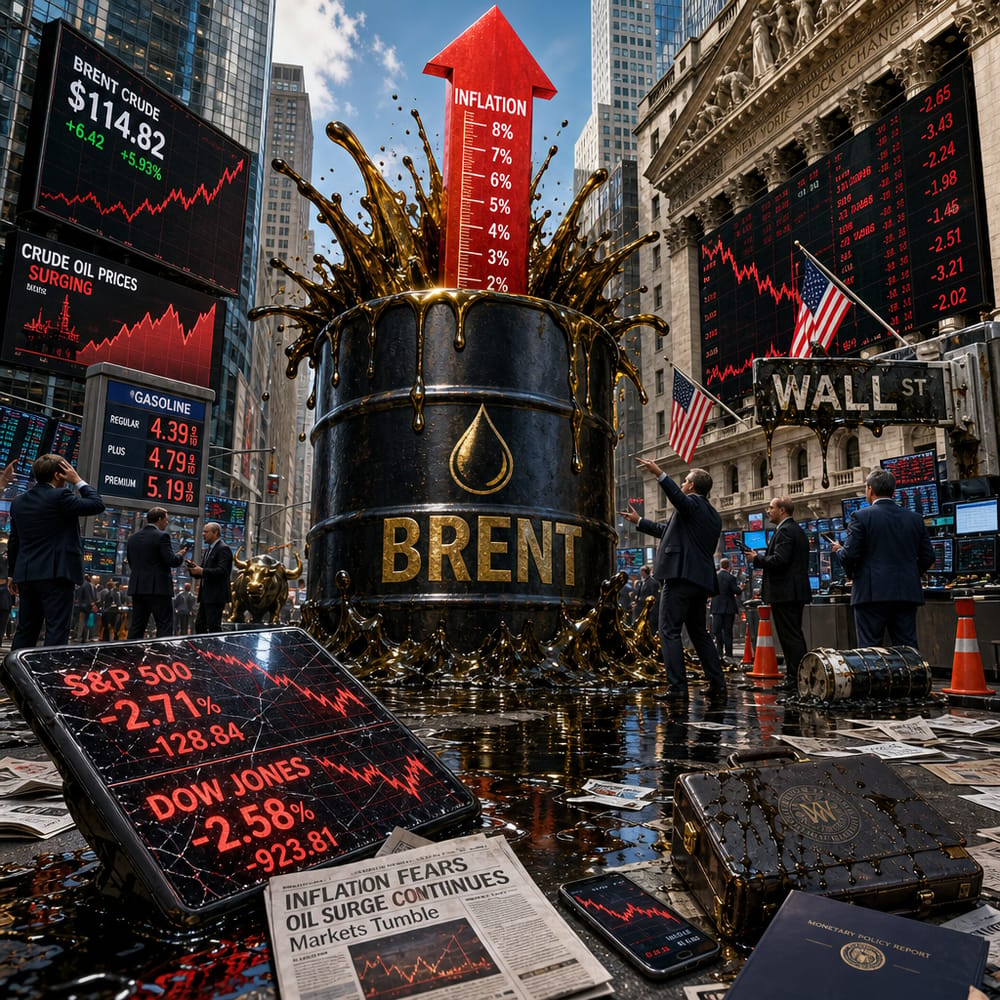
OIL PRICE SURGE RAISES INFLATION CONCERNS
It's the financial equivalent of watching a horror movie: you think the worst is over, but then the oil monster lumbers back onto the scene. If you've been paying attention to your wallet when filling up your gas tank lately, you've probably noticed it too—oil prices are back on the rise, sparking fears of inflation that just refuses to die. And it's not just the pain at the pump we're talking about; the effects are rippling through the economy like a stone tossed into a pond.
What’s igniting this oil price bonfire? A mix of geopolitical drama and market dynamics. The recent spat between the United Arab Emirates and Iran has added a nice dose of uncertainty to the region—you know, because nothing says "stable oil market" like a couple of missiles splashing down in the Persian Gulf. Meanwhile, big oil producers like Saudi Arabia and Russia have been playing hardball with supply by keeping their taps a little less open. Less oil from these heavyweights means prices creep up like sneaky raccoons in a suburban trash can.
So, what does this have to do with your latte budget? Well, as oil prices climb, so does the cost of everything that relies on it. We're talking about goods transported by trucks, planes, and ships—basically everything. That loaf of bread, your next Amazon delivery, and even your veggie burrito could see a price hike. Consumer prices tend to follow oil prices like eager ducklings, and that’s what brings us to inflation—blame the oil monster when you notice your grocery bill's getting extra beefy.
The Dow Jones and S&P 500 have already felt the tremors of rising oil prices. Like a toddler who missed nap time, these indices have been cranky, shedding points as investors fret. Market sentiment swings on whispers of inflation because higher consumer prices can lead to reduced spending. When people spend less, companies earn less, and the vicious cycle goes round and round.
So where does this leave the Federal Reserve? In a bit of a pickle, to be honest. The Fed has been waging war against inflation with rate hikes, hoping to cool down the economic engine without stalling it. But with oil prices throwing gasoline on the inflation fire, it complicates their playbook. More rate hikes could follow, which would increase borrowing costs for everything from mortgages to business loans. The Fed's got its hands full balancing this tightrope without sending the economy into a nose-dive.
Long-term, sustained high oil prices could throw a wrench in market stability. It’s not just about rising gas prices or inflated grocery bills. It’s about the domino effect on consumer confidence, business investment, and, ultimately, economic growth. If the oil monster keeps roaring, companies might hesitate to expand, hire less, and, in some cases, cut jobs.
In this high-stakes game of economic Jenga, it’s crucial to keep an eye on key players like Brent crude. It's like the unofficial scoreboard for global oil prices. If it keeps climbing, expect more market jitters and perhaps another call to action from the Fed.
But hey, it's not all doom and gloom. Some sectors, like renewable energy, could see a silver lining. With oil prices up, there might be more urgency to invest in alternatives like solar and wind. And tech-savvy investors know that volatility can mean opportunity, provided you're equipped with a strategy and nerves of steel.
In a world where oil is the lifeblood of the economy, it's crucial to stay informed, nimble, and ready to pivot. Whether you're a retail investor or just someone looking to make sense of your utility bill, the oil price story is one you can't afford to ignore. Keep your eyes peeled and your portfolio diversified—you never know when the next plot twist in this economic thriller will come.
This article is for informational purposes only and is not investment advice. Always do your own research or consult a licensed financial professional before making investment decisions.
© Copyright 2024. All Rights Reserved.
© Copyright 2024. All Rights Reserved.