

Oil Just Hit a Pre-War Low: Brent Slips Below $75 as the Hormuz Crisis Eases
Wednesday, June 24, 2026
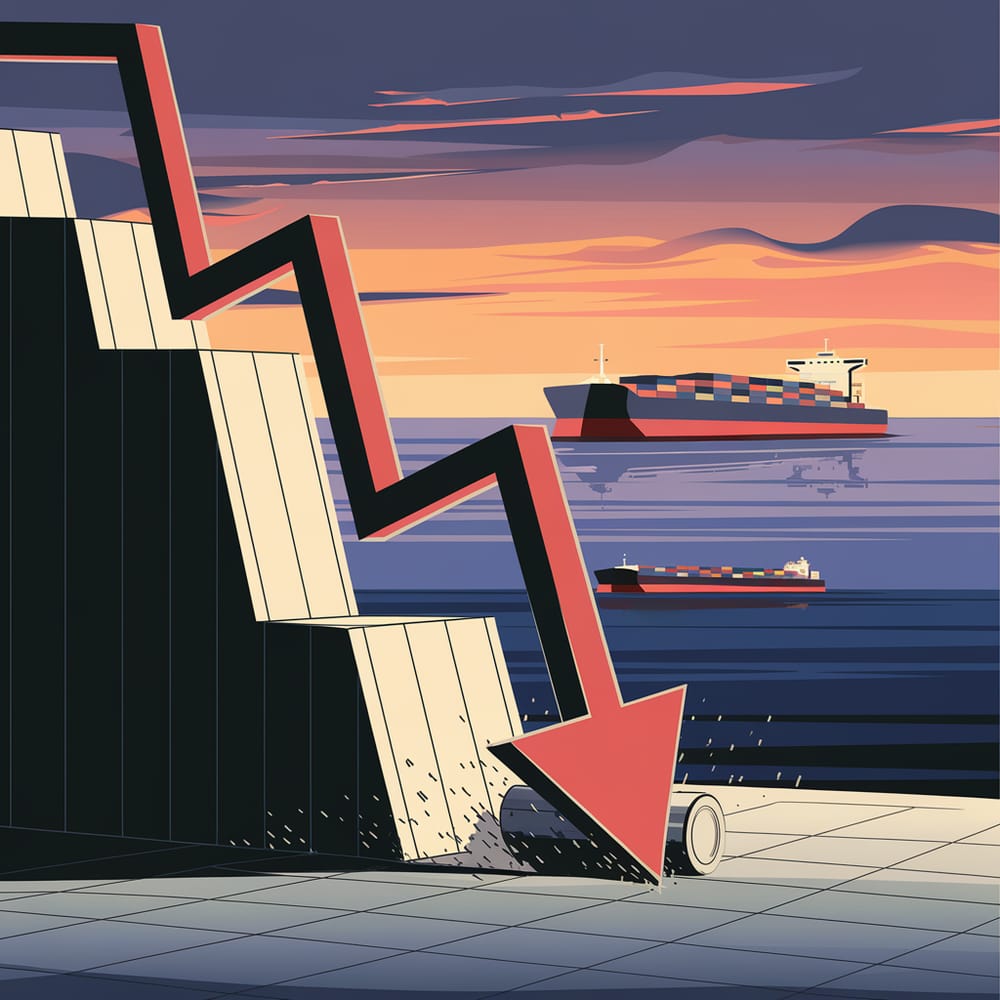
Just weeks ago, the world was bracing for an oil shock that could send gas prices through the roof. Today, the story has flipped entirely. Crude oil has tumbled to its lowest level since before the Iran war even began, with Brent slipping below $75 a barrel. The reason? The crisis that terrified energy markets is rapidly cooling down.
The Numbers
Oil extended its slide on Wednesday, with Brent crude falling toward $74–$75 and U.S. WTI dropping to around $72.60 — multi-month lows. Brent's August contract notched its weakest level since before the U.S. and Israel launched strikes against Iran back in late February. For a market that spiked on war fears, this is a dramatic reversal.
What Changed: Peace Progress
The driver is diplomacy. Signs of genuine progress in U.S.-Iran talks have convinced traders that oil will keep flowing through the Strait of Hormuz — the critical chokepoint that carries roughly 20% of the world's oil. When that passage looked threatened, every barrel carried a "war premium." As the threat fades, that premium is being stripped right back out of the price.
The Human Story Behind the Headlines
There's a powerful detail beneath the market move. More than 11,000 seafarers who were effectively stranded in the Persian Gulf during the crisis are now set to begin exiting through the Strait, after safety guarantees were secured. Behind every chart of oil prices is a real-world supply chain — and real people — slowly returning to normal.
Why Lower Oil Matters to You
Cheaper crude is more than a headline for energy traders. It typically flows through to lower prices at the gas pump, easing one of the most visible costs in household budgets. It can also help cool inflation, since energy ripples through the price of nearly everything that gets shipped, grown, or manufactured. After months of war-driven price spikes, that's welcome relief.
The Other Side of the Trade
Falling oil is a tailwind for consumers but a headwind for energy stocks, which had rallied hard on the conflict. It also complicates the picture for the Fed: cheaper energy helps tame inflation, but officials remain wary that price pressures elsewhere are still too hot. And geopolitics can turn on a dime — any breakdown in talks could put that war premium right back.
The Bottom Line
For now, the trend is clear: as the guns quiet and ships sail again, oil is unwinding its fear premium. Drivers should welcome it, energy investors should watch it carefully, and everyone should remember how fast this market can change direction.
This article is for informational purposes only and is not investment advice. Always do your own research or consult a licensed financial professional before making investment decisions.
© Copyright 2024. All Rights Reserved.
© Copyright 2024. All Rights Reserved.