

Oil Flow Surge Through Hormuz: Energy Markets on Watch
Friday, July 03, 2026
OIL FLOW SURGE THROUGH HORMUZ: ENERGY MARKETS ON WATCH
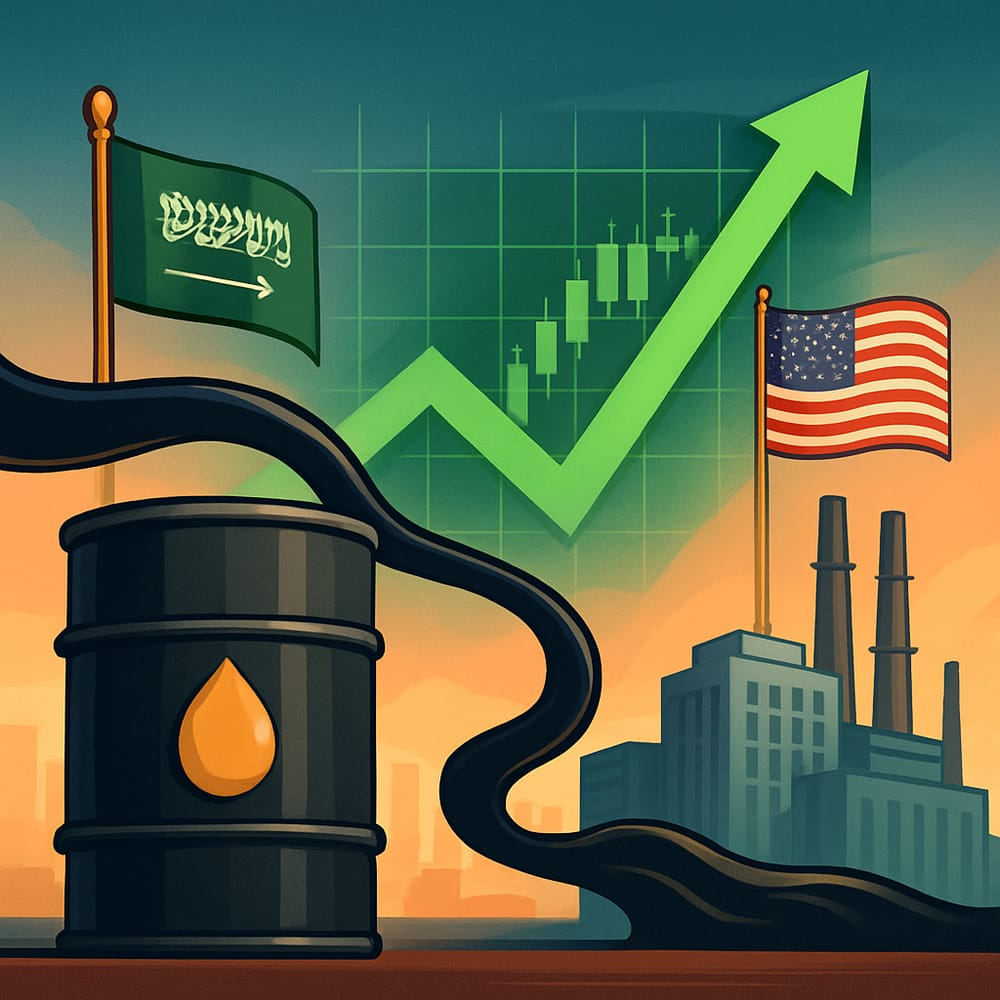
Blink, and you might miss it. In the geopolitical world of oil, things are heating up more than a gas station burrito. Saudi Arabia has turned the taps wide open, sending oil gushing through the Strait of Hormuz, a strategic chokepoint that’s seen more drama than a soap opera. All this comes in the wake of a U.S.–Iran deal that resuscitated this critical artery of global energy trade. But what does this mean for your wallet at the gas pump and your energy stocks? Let’s dive in.
First, a quick geography lesson: The Strait of Hormuz is that narrow neck of water between the Persian Gulf and the open ocean. It’s the world’s most important oil transit chokepoint, with nearly a fifth of the world’s oil supply passing through it. If there’s a traffic jam here, you can bet your bottom dollar that global oil prices will rip higher than a roller coaster.
So, why the sudden increase in Saudi shipments? The U.S. recently played matchmaker between Iran and Saudi Arabia, helping reduce tensions and unclogging this vital route. The result? Riyadh has more than doubled its shipments through the strait in the last few weeks. The decongestion is allowing them to clear a backlog of tankers that, until now, were lounging in the Gulf like sunbathers on a beach.
Now, you might be wondering, does this mean cheaper fuel? The answer isn’t straightforward. In the short term, this surge in shipments could help stabilize oil prices. Think of it as a supply chain un-jamming. More oil on the market generally means lower prices, or at least, preventing them from shooting up. For consumers, this might soften the blow of those jaw-dropping receipts at the gas pump.
However, looking at the bigger picture, the oil market isn’t just about supply. Demand plays a coy partner in this tango. The U.S. jobs report recently showed a cool-down in job creation, which could imply a slowdown in economic activity. Fewer people working means less demand for energy as industrial machines might hum a little quieter. It's a delicate balance, and any changes can tilt the scales quickly.
In terms of investments, oil producers and energy ETFs (Exchange-Traded Funds) are worth keeping an eye on. Companies like ExxonMobil and Chevron, and various energy-focused ETFs, might see some volatility as they react to these shipping increases. More supply generally applies downward pressure on prices, which could compress their margins slightly. But remember, these companies are savvy; they’ve weathered price storms before, and many have diversified enough to cushion a few market tumbles.
Then there’s the geopolitical spice rack. The deal to reopen the Strait of Hormuz isn't just about oil. It's a potential harbinger of stability in a region more known for its volatility than its peace and quiet. But don't pop the champagne just yet. The geopolitical winds can shift faster than a politician’s promises. Today's ally can be tomorrow's adversary, adding a layer of intrigue—and risk—to global markets.
For retail investors like you and me, these developments mean it’s time to stay informed. Keep your ear to the ground on how the geopolitical landscape might affect oil flows and prices. Even if you're not directly investing in energy stocks, the ripple effects of oil prices touch everything from the cost of manufacturing goods to how much you pay for that summer road trip.
So, is this the calm before another storm, or the dawn of a stable oil era? Only time will tell. In the meantime, keep your portfolio diversified, your news alerts set, and maybe, just maybe, check out that electric vehicle you’ve been eyeing. It might just be a hedge against whatever twists and turns the Strait of Hormuz throws our way next.
This article is for informational purposes only and is not investment advice. Always do your own research or consult a licensed financial professional before making investment decisions.
© Copyright 2024. All Rights Reserved.
© Copyright 2024. All Rights Reserved.