

Nvidia’s H20 Chip Makes a Comeback in China
Tuesday, July 15, 2025
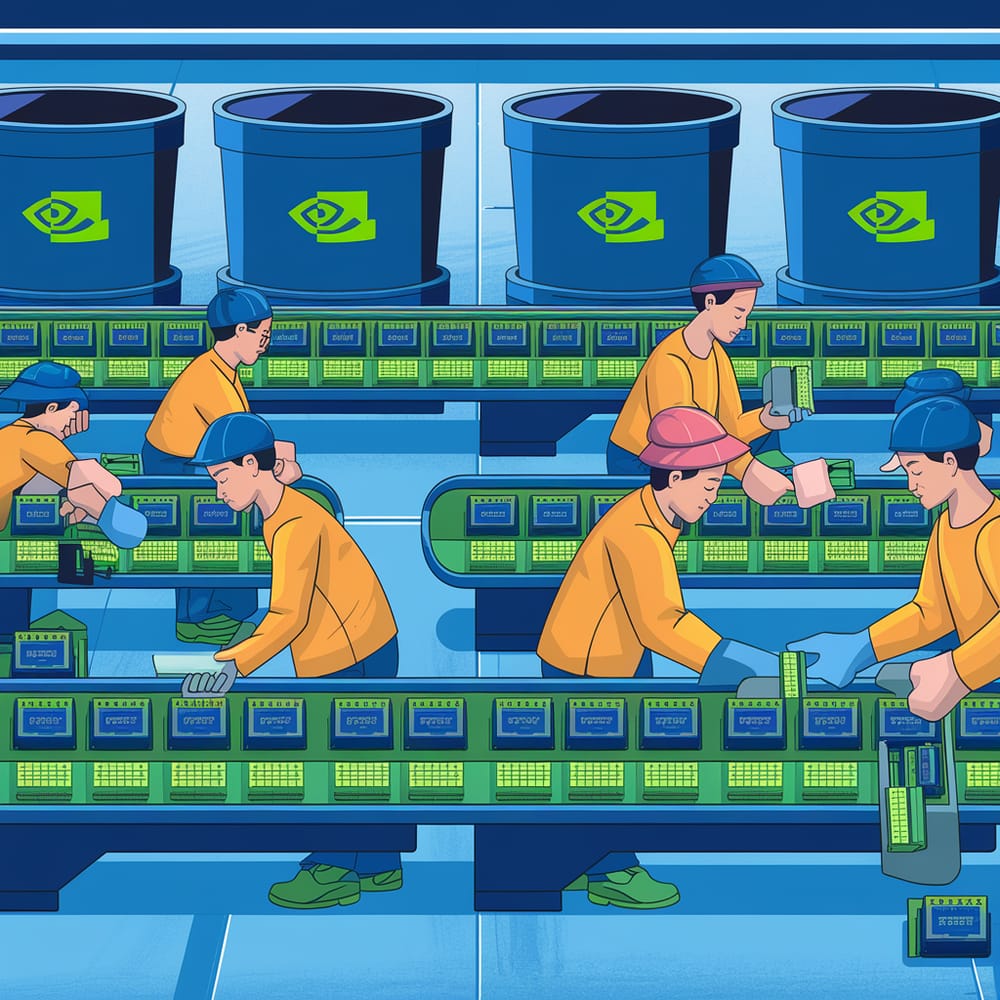
In a sharp pivot from its earlier hardline stance, the U.S. government is now allowing Nvidia to resume exports of its H20 AI chips to China—a dramatic twist that could restore billions in revenue for the Silicon Valley titan.
The green light came after weeks of secretive diplomacy between Washington and Beijing, culminating in assurances from U.S. officials that they’d approve export licenses. The H20 chip, a dialed-down version originally designed to comply with export restrictions, had been swept up in the Trump administration’s broader crackdown on AI tech flows to China. Now, it’s back on the table.
From Dead Deal to Billion-Dollar Revival
Just months ago, Nvidia had written off its H20 sales to China as a lost cause. But Monday’s reversal sent shockwaves through the market—and Nvidia’s stock up 4.5% in premarket trading. CEO Jensen Huang, who met with President Trump last week and is now in Beijing for a government tech conference, confirmed the go-ahead on Chinese state TV shortly after the company broke the news.
This comeback could recoup a chunk of the $15 billion in data center revenue once thought doomed by export restrictions, including a massive $4–5 billion originally expected in the second half of the year.
Why Now? A Trade Truce and Strategic Timing
The sudden shift is part of a quiet thaw in U.S.-China tech tensions. Washington recently relaxed other controls—like those on chip design software—in return for China easing restrictions on rare-earth exports vital to American tech production. These concessions suggest a fragile but functioning trade truce is taking shape.
And for Nvidia, the stakes couldn’t be higher. Huang has been vocal in his belief that the U.S. strategy of tech isolation is backfiring—handing market share to Huawei while cutting off American firms from one of their most important growth markets.
Winners in China: Alibaba, DeepSeek, and Data Centers
China’s tech giants are already celebrating. Alibaba shares surged up to 6%, while Beijing Sinnet, a data center operator, popped more than 8%. For companies like DeepSeek, which need high-performance hardware to scale AI services, the H20 chips could be a vital link in the supply chain.
One analyst summed it up: “It’s not just good for Nvidia. It’s a win for the whole AI ecosystem in China.”
Politics Still Lurking in the Background
Despite the breakthrough, not everyone in D.C. is cheering. Senior AI policy advisers have warned that once chips enter China, it’s hard to ensure where they end up—even if technically compliant. There’s still deep bipartisan concern over military usage, and no guarantee that future administrations won’t pull the plug again.
But for now, Nvidia is back in the game—and positioning itself as a critical bridge in global AI development. Huang is even seeking meetings with Chinese leaders to further cement Nvidia’s role in the region’s tech future.
Bottom line: In a surprise twist, Nvidia’s H20 chip is cleared for a China comeback. It’s a huge revenue boost, a political tightrope walk, and a big moment in the simmering U.S.-China AI rivalry. And for Nvidia, it’s proof that diplomacy, persistence, and a little silicon savvy can still crack open locked markets.
© Copyright 2024. All Rights Reserved.
© Copyright 2024. All Rights Reserved.