

Nvidia's AI Chip Strategy in China Gets Real
Thursday, August 20, 2026
NVIDIA'S AI CHIP STRATEGY IN CHINA GETS REAL
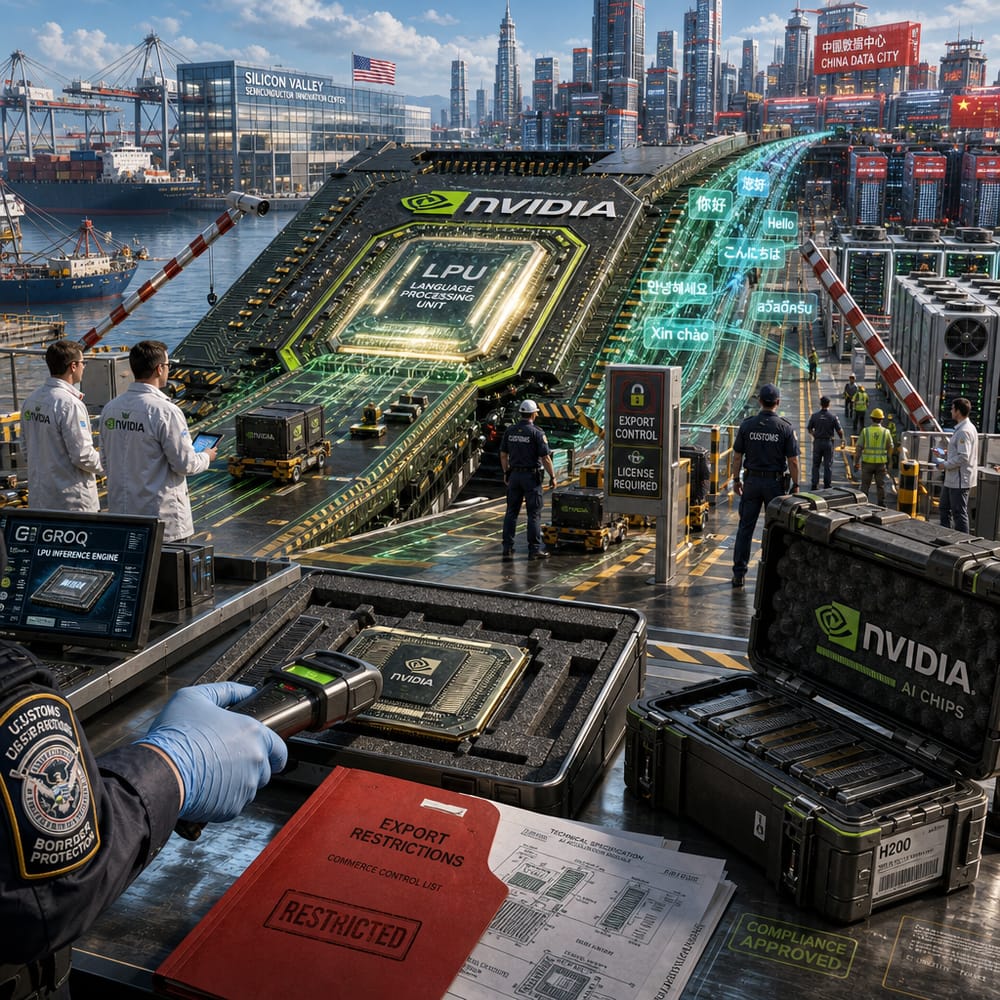
Picture this: Nvidia, the iconic chipmaker that’s one part Silicon Valley wizard, one part tech powerhouse, is prepping to slide a brand-new AI chip onto the world stage. But here’s the kicker—it’s headed straight to China, smack dab in the middle of an ongoing technology face-off between the U.S. and China. Before year-end, Nvidia plans to ship this souped-up piece of tech to China, featuring a language processing unit designed to turbocharge AI chatbot response times. Sound bold? Absolutely. But in the cutthroat world of semiconductors, bold is the name of the game.
For the uninitiated, let’s break down why Nvidia’s moves are making waves. This isn’t just about another shiny chip hitting the market. It’s a strategic play in the great game of global tech dominance, where each side, the U.S. and China, is vying for the top spot on the AI leaderboard. Nvidia’s latest gambit? A slick move to skirt around U.S. export restrictions that are meant to put the brakes on China’s AI advancements.
WHAT THIS MEANS FOR U.S.-CHINA TECH RELATIONS
The U.S. has been slapping export restrictions like they're going out of style, trying to keep cutting-edge tech out of Beijing's hands. But Nvidia, deft as ever, is offering China a chip that dances delicately on the line of compliance, avoiding the strictest of bans. This isn't merely a chip; it’s a signal that Nvidia is playing the long game, looking to maintain its foothold in the massive Chinese market without poking the regulatory bear too hard.
Here’s where things get juicy: while the U.S. might see this as Nvidia playing nice with the competition, China could interpret it as an olive branch from a tech giant that still values their business. It’s a delicate diplomatic dance—one wrong step, and someone’s toes are getting stomped.
THE BOOST FROM LANGUAGE PROCESSING
Now, onto the geeky-goodness that is this chip's language processing unit. Think of it as the brain’s personal trainer, specifically for chatbots, whipping them into shape to respond faster and more accurately. It’s like upgrading from a dial-up modem to fiber-optic internet. The tech behind it allows AI systems to process and understand human language with a kind of speed and accuracy that can revolutionize how businesses use AI chatbots for customer service, data analysis, and beyond. For a country that's betting big on AI, China's likely seeing this as a golden ticket to bolstering their AI initiatives.
REGULATORY HURDLES AHEAD
Of course, no high-stakes tech maneuver comes without its share of blockers—and Nvidia's chess move is no exception. The regulatory landscape they’re navigating is as treacherous as a toddler with a paintbrush in a pristine living room. One misstep, and there's potential for serious repercussions not only from the U.S. government but also from investors wary of geopolitical tensions impacting market stability.
There’s also the ever-looming specter of adjustments to export rules. Who’s to say what tweaks Uncle Sam might pop up with in the coming months? Nvidia’s strategists are surely burning midnight oil, gaming out every possible scenario and counterplay.
THE BIGGER MARKET PICTURE
So why should retail investors care about Nvidia's international shenanigans? Besides the obvious implications for Nvidia’s own bottom line, these moves could shift the entire semiconductor market dynamics. The chips they’re planning to ship aren’t just any chips—these are the kind that can reshape industries, influence global supply chains, and set precedents for how tech giants operate under tightening regulations.
Investors should watch how other companies (like tech startup Groq) respond. Will they follow Nvidia’s lead and find similar loopholes, or play it safe and keep their toys at home? The ripple effects in the stock market could be significant, impacting not just semiconductor stocks but also companies relying on AI technology.
ROUNDING UP THE FUTURE
In the high-stakes poker game that is global tech, Nvidia’s move is a bold bet that could pay off handsomely—or not. But for now, what’s certain is this: by shipping this AI chip, Nvidia isn't just making a business decision. They're making a statement, one that will echo throughout the halls of tech conferences, boardrooms, and government offices alike.
So, as we watch this high-speed train hurtle towards an uncertain future, keep an eye on the rails. Because if Nvidia’s gambit works, it might just redefine the game—and the rules we play by—in the world of AI and beyond.
This article is for informational purposes only and is not investment advice. Always do your own research or consult a licensed financial professional before making investment decisions.
© Copyright 2024. All Rights Reserved.
© Copyright 2024. All Rights Reserved.