

Nasdaq Expands to Texas, Challenging Wall Street’s Dominance
Wednesday, March 19, 2025
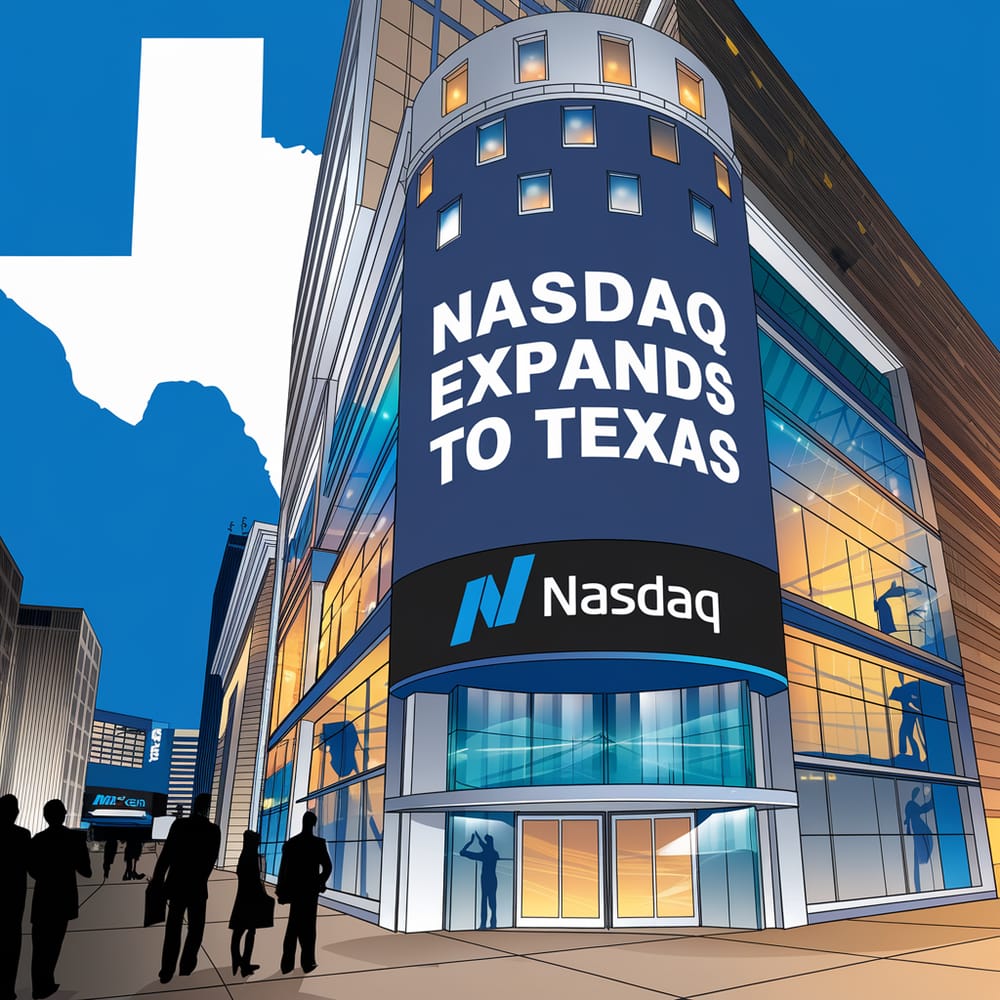
Nasdaq is making a bold move away from New York, announcing plans to open a second U.S. headquarters in Dallas, Texas. The new regional office, set to launch later this year, marks another step in Texas’ growing influence as a financial powerhouse.
This expansion signals a shift in the geography of finance, as Texas continues to lure major companies with lower taxes, business-friendly policies, and a booming economy.
Why Nasdaq Is Moving to Dallas
The Dallas office won’t just serve as a secondary headquarters—it will also house Nasdaq’s technology and financial crime management divisions, which help detect fraud and money laundering for its clients.
Nasdaq has had a presence in Texas since 2013, with over 200 publicly traded companies based in the state. This move expands its footprint and positions it closer to one of the country’s fastest-growing financial hubs.
While Nasdaq is known for its iconic Times Square location in New York, this decision reflects a broader trend: major financial institutions diversifying beyond Wall Street.
Texas Is Becoming a Finance Hub
Nasdaq isn’t the only firm looking to Texas. Earlier this year:
-The Texas Stock Exchange filed to launch operations by 2026.
-The New York Stock Exchange announced plans to open an electronic exchange in Texas.
-The state established the Texas Business Courts, offering an alternative to Delaware’s Chancery Court system.
Texas is also gaining corporate influence, with companies like Tesla and Meta considering moving their incorporations from Delaware to Texas, a move encouraged by Elon Musk’s growing presence in the state.
What’s Next for Nasdaq?
Nasdaq’s decision to split its operations between New York and Texas reflects a changing financial landscape. While Wall Street remains the country’s financial center, Texas is emerging as a serious challenger.
With lower taxes, fewer regulations, and a business-friendly climate, Texas could become the go-to destination for the next generation of financial firms.
For now, Nasdaq’s move isn’t about abandoning Wall Street—but it’s a clear sign that New York’s financial monopoly is fading.
© Copyright 2024. All Rights Reserved.
© Copyright 2024. All Rights Reserved.