

Mixed Inflation Readings Increase Pressure on Fed Ahead of Key Meetings
Saturday, August 29, 2026
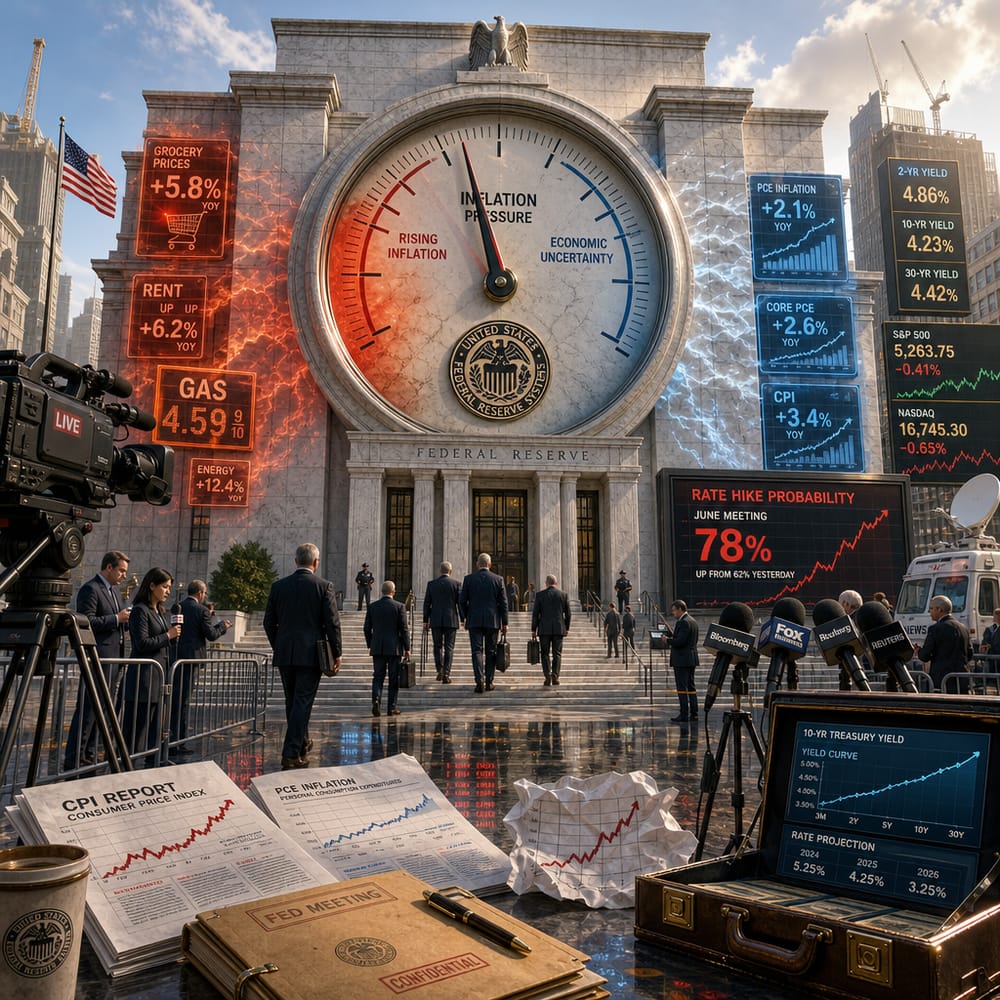
INFLATION WHACK-A-MOLE: CAN THE FED STAY AHEAD OF THE GAME?
Inflation is like that relentless game of whack-a-mole at the carnival. Just when you think you’ve got it beat, another pesky price hike pops up and demands your attention. And just like those determined carnival-goers, the Federal Reserve is feeling the pressure to keep hammering down prices as inflation continues to tease the economy. Recent inflation data carries a mixed bag of signals, making the Fed's job akin to performing a high-wire act without a safety net.
A TWIST IN THE INFLATION TALE
So, what's behind the stubborn inflation? Picture this: a cocktail of supply chain snafus, an enthusiastic job market, and consumers with a taste for spending. The global turmoil, courtesy of geopolitical tensions, doesn't help matters either, adding a splash of unpredictability to the mix. Throw in some high-stakes tariffs from the Trump era still lingering around, and you've got yourself a spicy inflation soup.
The latest data has left economists scratching their heads. While some prices danced downwards, like the price cuts on used cars and electronics, others jumped up, think housing and healthcare costs. It's the kind of mixed signal that would make even the most seasoned market player reach for a double espresso.
THE FED'S HIGH-WIRE ACT
Now, how does the Fed plan to tango with this inflation beast while balancing the precarious economy? Chairman Kevin Warsh, in a new era of Fed ambiguity, keeps his cards close to the chest. Instead of spilling the beans on their next move, officials are leaving market players to piece together the clues, akin to an economic version of a Sherlock Holmes mystery.
The Fed’s primary weapon in its arsenal is the interest rate, the financial world’s equivalent of a Swiss Army knife. Hike the rate, and you might cool off inflation, but too much too fast, and you risk chilling the economy to a recessionary frost. The delicate task is akin to not overcooking a steak – a touch too much heat, and you’ve ruined dinner.
RUMBLINGS IN THE MARKET JUNGLE
A potential rate hike would send ripples through the market waters. Picture it: investors rushing to reorganize their portfolios faster than a Black Friday shopping spree. Higher rates could make borrowing more expensive, slowing down consumer spending and corporate investments, all the while nudging mortgage rates higher. That might not sit well with the housing market, already grappling with affordability issues.
Yet, some sectors might see sunshine through the clouds. The financial sector, with banks at the helm, tends to get an applause line during rate hikes thanks to the potential for increased profit margins on loans.
IS THERE A POT OF GOLD AT THE END?
While it's clear the Fed has its work cut out, the long-term goal remains stable prices and full employment – a tricky balance, but not impossible. If they get it right, the economy could glide along a smoother path, avoiding the dreaded boom-bust cycle.
How are retail investors supposed to navigate this market maze? Stay agile, folks. Diversify your portfolio to spread risk like butter on warm toast. Keep an eye on sectors that might benefit from the Fed's moves – think financials, maybe some consumer staples to ride out the storm.
And if you're feeling adventurous, dabble in those inflation-protected securities (TIPS), which are bonds designed to stay a step ahead of inflation. They might not be as thrilling as your latest tech stock pick, but they do offer a cushion against the inflation rollercoaster.
The clock’s ticking, and all eyes are on the Fed's next move. Will they hammer down inflation, or will pesky price hikes continue to pop up like determined moles? Keep those seatbelts fastened, because this economic ride is far from over.
This article is for informational purposes only and is not investment advice. Always do your own research or consult a licensed financial professional before making investment decisions.
© Copyright 2024. All Rights Reserved.
© Copyright 2024. All Rights Reserved.