

Minutes of July 29 FOMC Meeting: Signals of Elevated Inflation Could Spur Future Action
Thursday, August 06, 2026
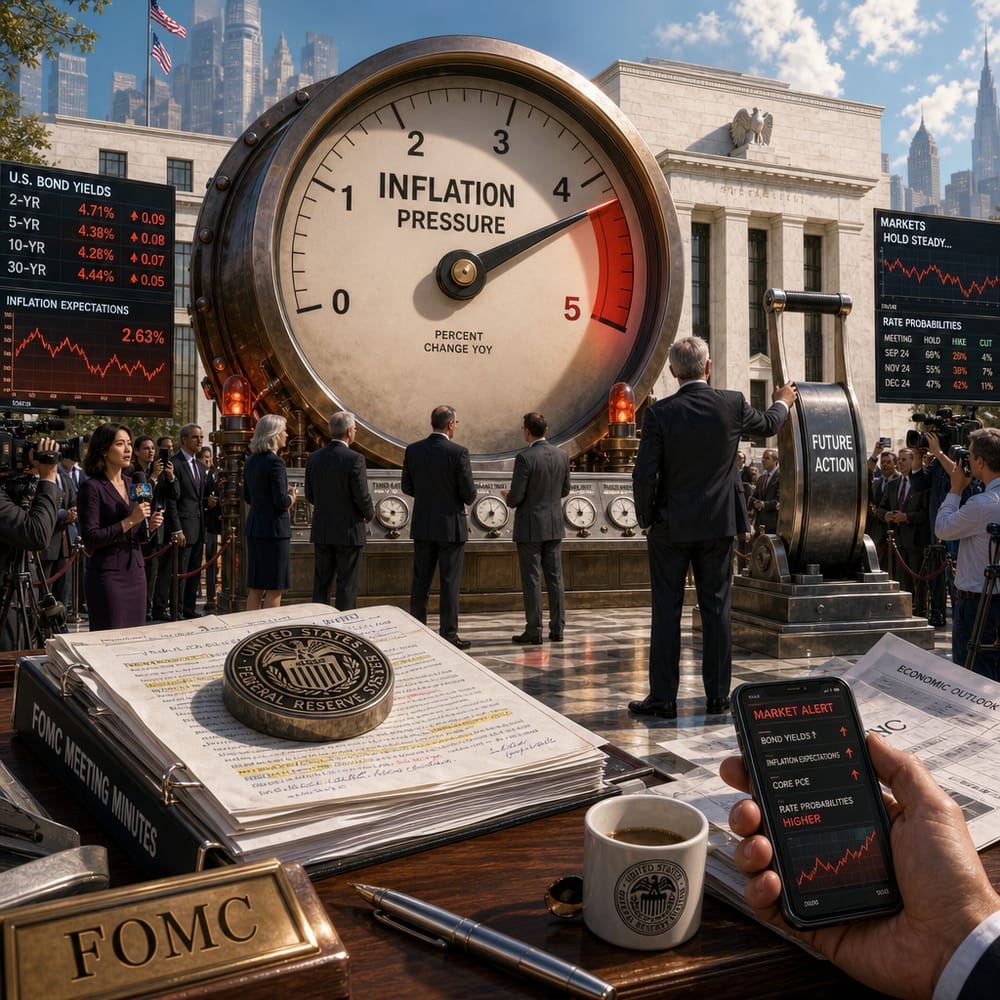
WHERE THE FED STANDS ON INFLATION, AND WHAT IT MEANS FOR YOUR WALLET
Buckle up, financial thrill-seekers. The Federal Reserve just dropped the minutes from its July 29 FOMC meeting, and it's clearer than ever: inflation is the elephant in the room, and it's not budging. While the Fed's interest rates are currently on pause, they've hinted that they may soon reach for the wrench and tighten those bolts if inflation doesn’t decide to cool its jets. But why does this matter to you, the retail investor? Well, understanding what the Fed might do next can help you anticipate potential ripples in the market.
First, let's dissect the inflation indicators that are giving the Fed pause. They're keeping a hawkish eye on the Consumer Price Index (CPI), which tracks the changes in prices for goods and services. This metric has been yo-yoing its way upward, and the Fed is nervous about it spinning out of control. They're also scrutinizing the Producer Price Index (PPI), which measures wholesale price changes and can signal inflation before it hits the consumer level. And let’s not forget wage inflation—when paychecks get fatter, companies might start adjusting their price tags upward to cover the extra cost.
Now, what happens if the Fed tightens the screws with a rate hike? Simply put, borrowing costs increase. This isn't just a headache for big corporations looking to expand; it also impacts your mortgage rates, car loans, and even the balance on your credit card. Consumers could tighten their belts, leading to lower consumer spending—a key driver of economic growth. With less spending, companies feel the squeeze, potentially slowing down hiring or even laying off workers. The vicious cycle of inflation and unemployment could rear its ugly head, giving the economy and job market a double whammy.
But it's not all doom and gloom. A rate hike would also mean better returns on savings accounts and CDs—those dusty relics of finance that haven’t seen much action in low-rate environments. Retirees and the risk-averse might breathe a sigh of relief as their savings finally start to earn a little more interest.
So, what should you be doing as a savvy retail investor? First, keep your ears to the ground. The Fed’s every twitch and mutter will be scrutinized by analysts and pundits alike, so stay informed. Consider diversifying your portfolio to hedge against inflation: real estate, commodities, and inflation-protected securities could provide some cushion against rising prices. However, be cautious about getting too jumpy; making wholesale changes based on speculation can backfire spectacularly.
Remember the cautionary tales of leverage from JPMorgan's Jamie Dimon. He’s warned that high leverage—the amount of debt used to finance assets—stands as a lurking threat that could amplify market disruptions. It’s like having too much weight on one end of a see-saw; a little push could send everything spiraling. Hidden borrowing in hedge funds and ETFs could trigger a cascading effect if things go south. So, measure risk carefully, and don’t get swept up in the borrowing frenzy.
Lastly, consider the broader backdrop: international dynamics and geopolitical moves are also at play. With the U.S. and Iran tiptoeing around potential deals and China flexing its trade muscles against the U.S., the global stage is set for a high-stakes drama. These international shifts can have unexpected impacts on inflation and market stability.
The FOMC minutes may seem like dry banker-speak, but they pack a punch that ripples through the economy. Whether you're a market newbie or a seasoned investor, staying nimble and informed is your best strategy. Keep your eyes on the Fed’s next moves, and remember: in the world of finance, the only constant is change.
This article is for informational purposes only and is not investment advice. Always do your own research or consult a licensed financial professional before making investment decisions.
© Copyright 2024. All Rights Reserved.
© Copyright 2024. All Rights Reserved.