

Midweek Market Slump Driven by Oil and Inflation Concerns
Saturday, August 22, 2026
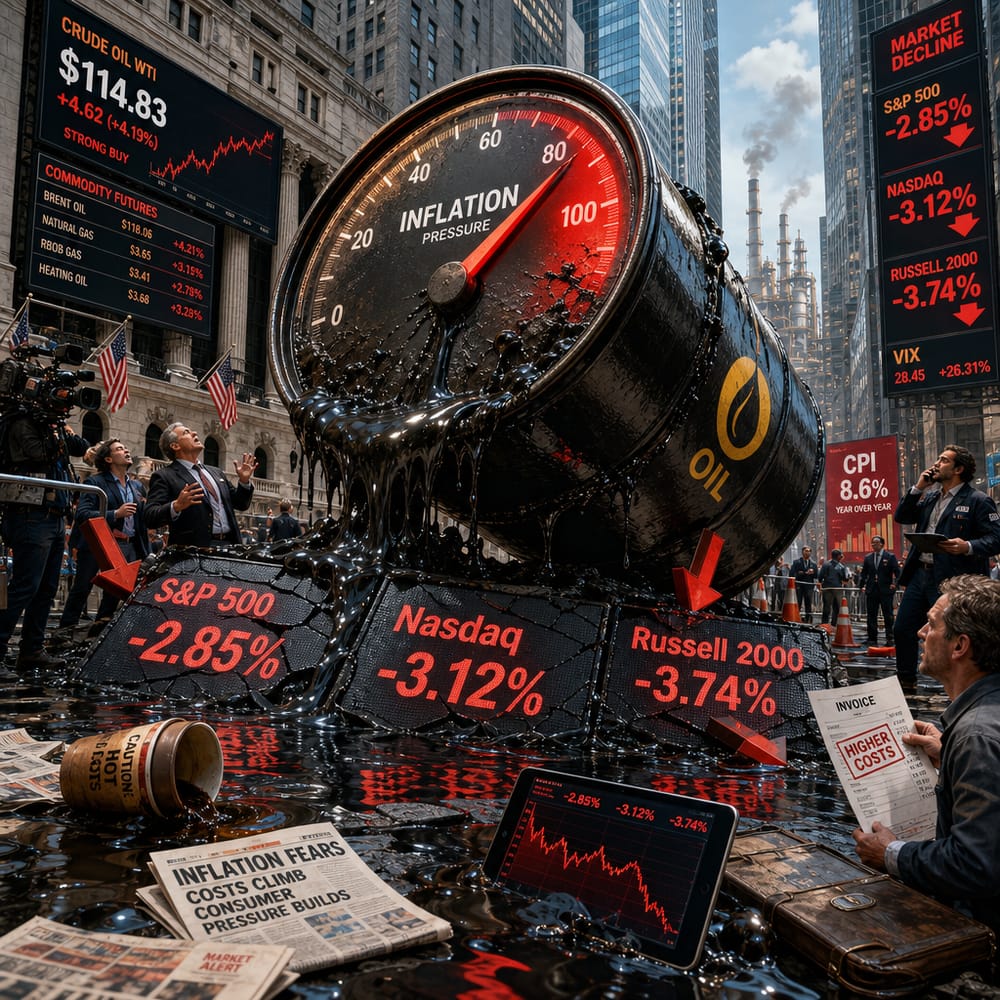
MIDWEEK MARKET SLUMP DRIVEN BY OIL AND INFLATION CONCERNS
If markets had personalities, last Thursday’s would’ve been a moody teenager who just found out they have to mow the lawn before going to the pool. On August 20, stocks dragged their feet, pulling down major indices as rising oil prices and inflation concerns cast a shadow over the trading day.
LET’S TALK OIL
First up, let’s tackle the oily elephant in the room. Oil prices have been playing a not-so-fun game of “how high can we go?” lately, and they’ve been squeezing consumers and investors alike. It’s simple economics: when oil prices rise, costs for transportation and production increase. And when companies have to pay more to make and move their products, they often pass those costs on to us – the ever-joyous consumers. This price hike acts like sandpaper on our wallets and sends corporate earnings into a bit of a tizzy.
The recent spike didn’t just come out of nowhere; it’s been fueled by supply chain disruptions and geopolitical tensions. This time around, it’s the U.S. and its Middle Eastern buddies playing a strategic game to shift oil dynamics, leaving Iran feeling like it just got booted from the group chat.
INFLATION: A SAGA
Just when we thought we’d seen it all, inflation rears its persistent little head. Inflation, in plain speak, is when your money buys you less stuff. And when it’s on the rise, investors get jittery—imagine balancing a stack of dishes on a teetering table. Inflation’s been a hot topic at the Fed’s meetings as they mull over interest rates like a jury deliberating its verdict.
For investors, inflation is a classic villain. It erodes purchasing power, and when paired with rising rates, it can rob stocks of their allure. Those promising tech companies with earnings expected way down the road? Suddenly, they’re not so shiny when dollars today are worth more than dollars tomorrow.
HOW DID THE MARKET REACT?
The S&P 500, Nasdaq, and the Russell 2000 all took a hit like they were auditioning for a soap opera. They collectively sunk as investors scrambled to reassess the future. Tech stocks, usually the darlings of the Nasdaq, found themselves in the firing line as inflation fears made their far-off profits look a lot less appealing.
Energy stocks, though, took this moment to shine. As oil prices climbed, oil companies and energy sector stocks found their wings, relishing in the price rally like a kid in a candy store. But before we break out the party hats, remember that while some sectors thrive, others feel the sting harder than a sunburn on a summer day.
BROADER IMPLICATIONS
This isn’t just a “today” issue. Rising oil prices and inflation concerns shape the broader market landscape. Companies might find themselves squeezed between rising input costs and consumers unwilling—or unable—to foot higher prices. It’s a balancing act that feels like a high-wire tightrope walk. And for the rest of us, it means keeping a close eye on how these macroeconomic factors ripple through our investments and broader economic health.
WHAT TO DO?
For retail investors, it’s time to channel your inner Sherlock Holmes. Keep your eyes on the Fed for clues on interest rates and inflation. Diversification remains key: think of it as your financial Swiss Army knife, ready to tackle whatever the market throws your way.
In the short term, expect a rollercoaster as markets digest the mashup of oil price hikes and inflation worries. In the long run, understand that these macroeconomic forces are just one piece of the investing puzzle. Stay informed, stay nimble, and maybe, just maybe, keep a stress ball handy.
So, as you sip your morning coffee and scroll through your phone, remember: yes, the markets are having a moment. But with a clear head and a well-thought-out strategy, you'll be ready to navigate whatever comes next.
This article is for informational purposes only and is not investment advice. Always do your own research or consult a licensed financial professional before making investment decisions.
© Copyright 2024. All Rights Reserved.
© Copyright 2024. All Rights Reserved.