

Microsoft's New AI Chip: The Maia 300
Monday, August 24, 2026
CAN MICROSOFT'S MAIA 300 CHIP SHAKE UP THE AI WORLD?
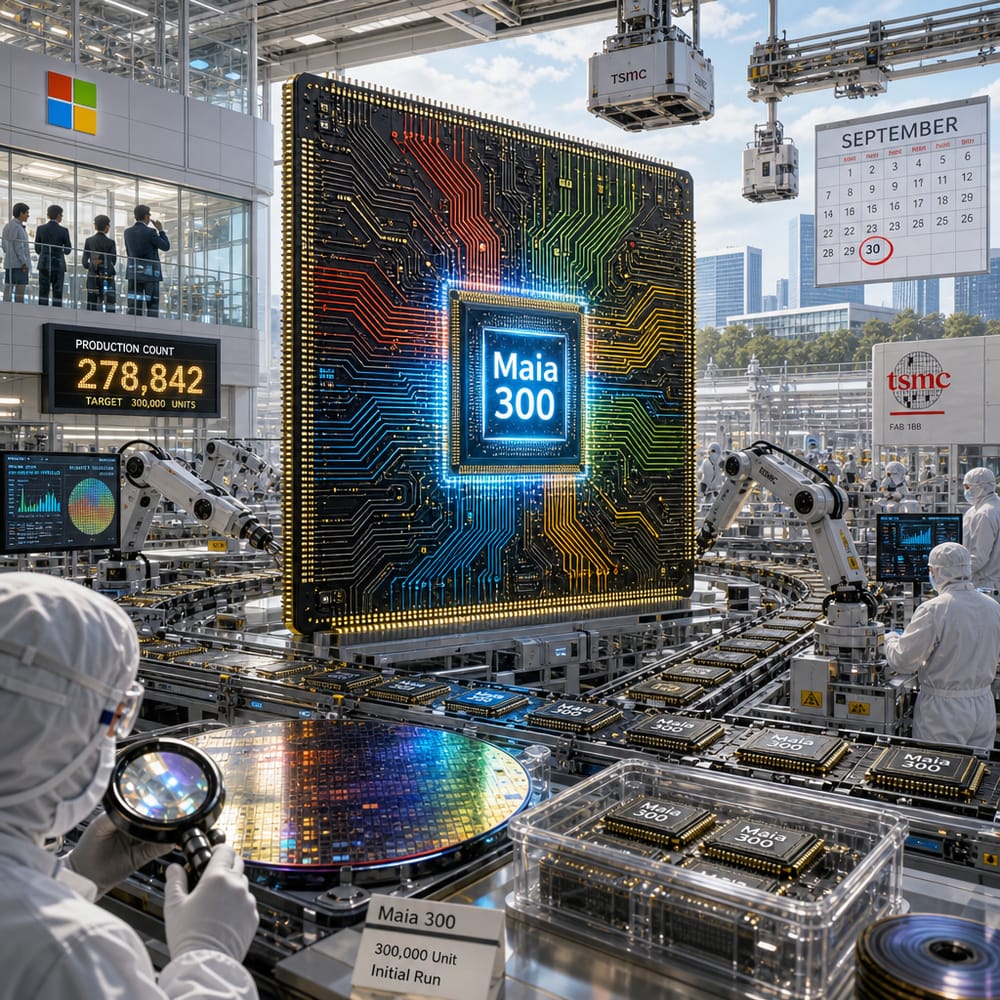
Microsoft is about to drop a bombshell in the tech world, and it's not another buggy Windows update. Meet the Maia 300, Microsoft's shiny new AI chip that's set to hit the shelves in September. And no, it's not just another gizmo to distract us while they decide what the heck "Clippy" 2.0 should look like. This chip is poised to become the backbone of Microsoft's AI ambitions, slashing their dependency on third-party chips like a two-for-one coupon at your favorite sandwich joint.
First things first: Why should you care about a piece of silicon with a snazzy new name? Well, it has everything to do with Microsoft's long-term plan to dominate the AI space. You see, up until now, they've been heavily reliant on chips from other big names in the industry. Think of it as needing to borrow your neighbor's lawnmower every time you want to trim the hedges. Microsoft's strategy with the Maia 300 is to end that dependency and start manufacturing their chips in-house. This isn't just about cutting costs—it's about building efficiency and innovation right into their own DNA.
Now, let's talk numbers. Microsoft aims to churn out over 300,000 units of the Maia 300 initially. If that doesn't scream "we're committed," I don't know what does. The significance of this move is not lost on anyone keeping an eye on the tech landscape. In fact, Microsoft's bold step might have some big implications for the entire AI chip market. Companies like TSMC, who are known for chip manufacturing, could feel the heat as Microsoft plants its own flag in the territory. It could even send ripples through the stock market, particularly impacting semiconductor stocks, which have already been shaky lately.
So, how exactly will the Maia 300 impact Microsoft's AI game plan? Well, for starters, having their own chip means they can design it specifically to meet the demands of their AI projects. This translates to faster processing, better efficiency, and a more seamless integration with their existing software like Azure, the cloud service that's basically Microsoft's answer to Amazon's AWS. Picture it as the difference between a tailored suit and one you snagged off the rack. The fit is just better.
Additionally, this proprietary chip development could pave the way for more competitive pricing, which is a win-win for both Microsoft and its customers. If they can offer AI solutions at a lower cost, while improving performance, that's a recipe for capturing more market share. And let's be honest, any company that's chasing after the AI crown needs every edge they can get.
Here's the kicker: The significance of Microsoft's move isn't confined to just their immediate gains. It sends a clear message to the industry—they're not playing the game; they're changing it. The Maia 300 is not just a chip; it's a strategic shift. It's Microsoft saying, "We're not just in the AI race, we're leading it."
But what about the broader market implications? Well, for starters, this could spur innovation across the board. Competitors may need to rethink their strategies, driving advancements in chip technology that's been relatively stable for a while. And if Microsoft succeeds, it could set a precedent. Other tech giants might start exploring their proprietary hardware solutions, further transforming the landscape.
Investors are no strangers to the volatility of tech stocks, as Monday's slump in chip stocks demonstrated. While the market might show some knee-jerk reactions when the Maia 300 steps into the spotlight, savvy investors will be watching closely. The potential for proprietary AI hardware to shift the balance of power in tech is enormous.
In the grand scheme of things, the Maia 300 represents a new chapter for Microsoft. It's not just about having their cake and eating it too; it's about baking the cake from scratch and owning the bakery. So, if you've got your eyes on the tech sector, it's time to sit up and pay attention—because Microsoft's chess move could very well reshape the entire board. And who knows? Maybe they'll finally figure out what to do with Clippy while they're at it.
This article is for informational purposes only and is not investment advice. Always do your own research or consult a licensed financial professional before making investment decisions.
© Copyright 2024. All Rights Reserved.
© Copyright 2024. All Rights Reserved.