

Meta’s AI Ambitions Aim Straight at Apple and Google
Thursday, August 07, 2025
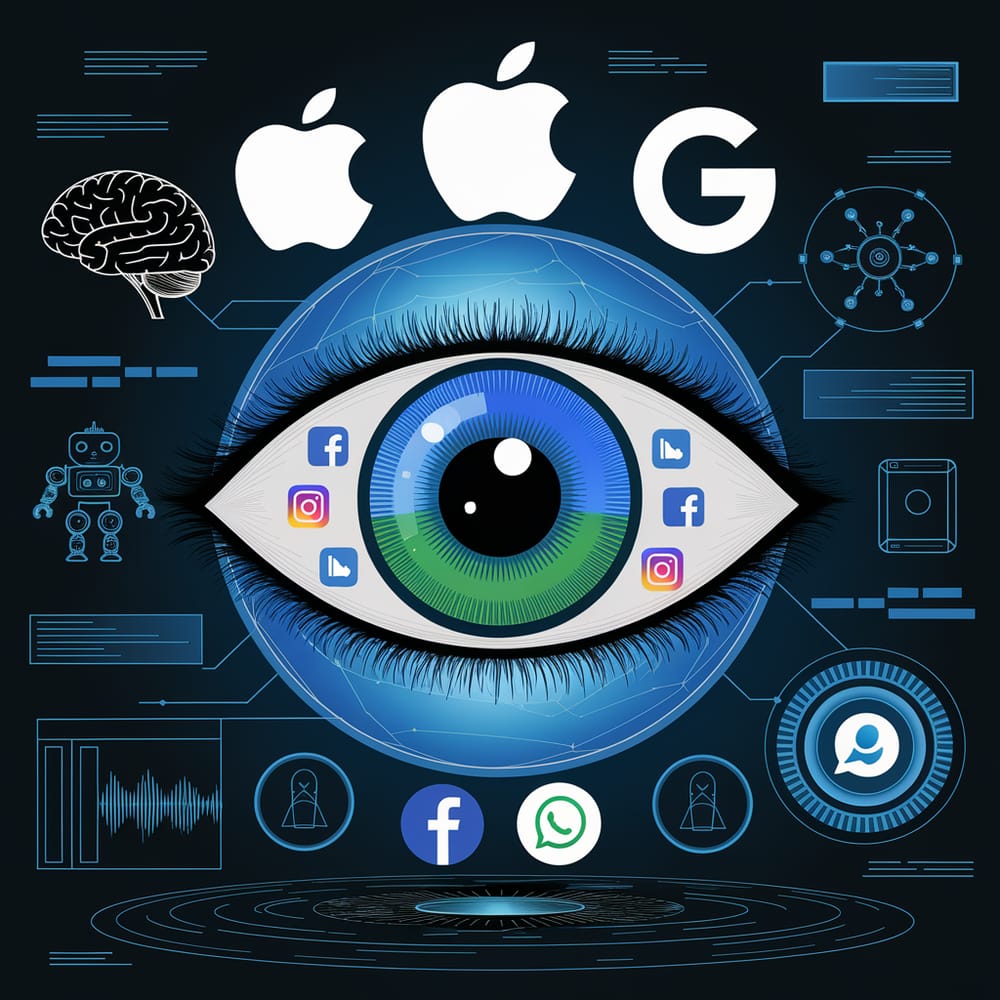
Meta is getting bold—and it’s not just about the metaverse anymore. The company behind Facebook and Instagram is quietly preparing to storm a new front: on-device AI, where Apple and Google currently hold the high ground.
At the heart of this move is Meta’s plan to embed its AI models directly into smartphones and other personal tech. Think smarter keyboards, better photo suggestions, AI-powered messaging assistants—all without sending your data to the cloud. And here’s the kicker: Meta doesn’t need to build the phone itself. It just wants to own the brains behind it.
Why does this matter? Because on-device AI is the next big prize in tech. Running AI locally means faster performance, better privacy, and fewer reliance headaches. It’s a space Apple dominates with its control over hardware and software, and Google has had a strong grip on Android. Meta? They’ve been outsiders—until now.
Meta’s flagship AI model, Llama 3, is getting leaner and more efficient. It’s being refined for mobile use and could soon find its way into a wide range of devices, thanks to partnerships with hardware makers and chip companies. Qualcomm, for instance, is working closely with Meta to get these models running on its Snapdragon chips, which power most Android phones.
Unlike Apple and Google, Meta is leaning into open-source AI. That means it’s giving developers around the world access to its models, hoping to win over the tech crowd and build a robust ecosystem. The pitch is simple: while the others close off their platforms, Meta opens doors.
There’s also a shift in how people use AI. Instead of chatting with a bot in the cloud, imagine asking your phone’s voice assistant to summarize an email or rewrite a message—instantly, privately, without an internet connection. That’s the future Meta wants to deliver.
But challenges loom. Apple has a deep hardware-software integration edge. Google owns Android and has already baked in its Gemini AI. Meta will need to convince both users and developers that its tools are not just powerful but also essential. And it’ll need to do it without having its own smartphone.
Still, Meta has a secret weapon: scale. Billions of people already use Facebook, Instagram, and WhatsApp daily. If Meta can integrate on-device AI into these apps—even just on Android—it could carve out a massive user base for its assistant, bypassing traditional gatekeepers.
This isn’t just a tech turf war—it’s a battle for how, where, and by whom AI gets used in everyday life. And if Meta succeeds, it won’t just be about ads or virtual reality anymore. It’ll be about who controls the digital interface of your daily routine.
© Copyright 2024. All Rights Reserved.
© Copyright 2024. All Rights Reserved.