

Lessons from Crisis: Why Stocks May Rebound Soon
Friday, March 14, 2025
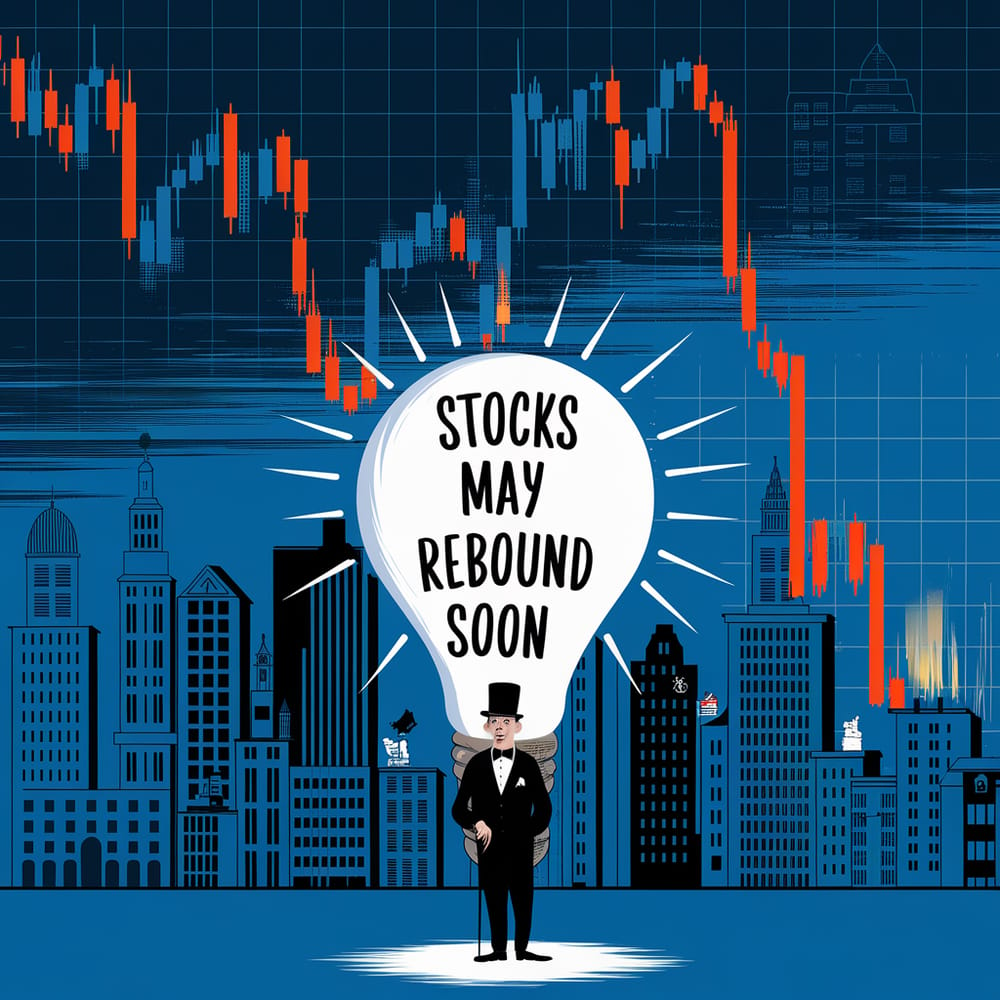
With markets tumbling and investors on edge, Tom Lee of Fundstrat Global Advisors is drawing an unexpected historical parallel—comparing today’s stock market panic to the Cuban Missile Crisis of 1962. His argument? Markets tend to recover before the worst of the crisis is actually over.
Despite the S&P 500 falling 10 percent in record time, Lee believes the selloff may be overdone, and that history suggests stocks could rebound before trade war fears subside.
Why Lee Thinks Markets Will Stabilize
Stock markets are reeling from Trump’s escalating trade war, with new tariffs set to take effect on April 2. While many investors are going to cash to ride out the uncertainty, Lee sees multiple reasons for optimism.
1. The Tariff Deadline Isn’t Set in Stone – There’s still a chance for a last-minute trade negotiation breakthrough, which could ease market fears before the April 2 deadline.
2. Global Markets Aren’t Panicking – The countries most affected by tariffs—China, Europe, Mexico, and Canada—have seen their stock markets outperform the U.S. in recent weeks.
3. Historical Patterns Favor a Recovery – In 2018, when the U.S. imposed tariffs on China, stocks bottomed before the July tariff deadline, hinting that investors may already be pricing in the worst-case scenario.
Lee argues that the market, much like in 1962, may start looking beyond the crisis before it’s officially resolved.
The Cuban Missile Crisis Parallel
Lee points to the 12-day Cuban Missile Crisis, when the U.S. and the Soviet Union came dangerously close to nuclear war. During that time, stocks initially dropped 5 percent in seven days, only to rebound 4 percent over the next five, recovering two-thirds of the losses before the crisis was even over.
His takeaway? Markets don’t always wait for certainty. Fear-driven selloffs can reverse quickly as soon as investors sense a resolution is near.
“The Cuban Missile Crisis was a true global threat,” Lee notes. “Compared to that, a tariff war is far less significant, yet the market has already fallen more than twice as much”.
Will the Fed Step In?
Another potential market catalyst is next week’s Federal Reserve policy meeting. While no rate cut is expected, all eyes will be on Jerome Powell’s tone as concerns over tariffs begin to hurt corporate confidence and household spending.
Lee argues that a hawkish stance from the Fed would be a surprise, given that inflation has remained stable and economic uncertainty is rising. If Powell signals a willingness to support markets with rate cuts later this year, it could help boost sentiment.
The Bottom Line: Don’t Count Stocks Out Yet
Lee isn’t saying the market is out of the woods, but he does believe that investors may be underestimating the potential for a recovery. His colleague, technical strategist Mark Newton, agrees, predicting that the market could find a bottom within the next two weeks.
For now, the market remains highly volatile. But if history is any guide, the biggest rallies often come when investor sentiment is at its lowest.
© Copyright 2024. All Rights Reserved.
© Copyright 2024. All Rights Reserved.