

Labor Market Weakens as Jobless Seekers Exit Workforce
Monday, August 17, 2026
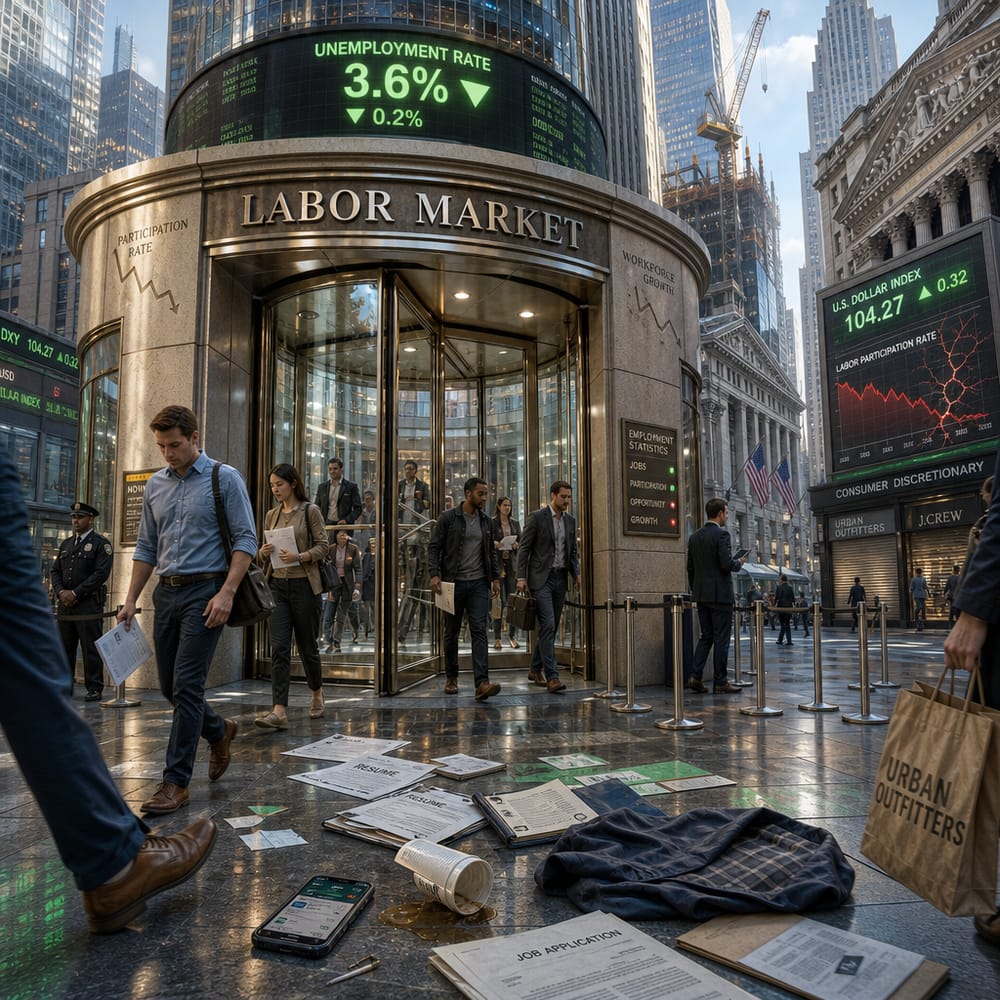
UNEMPLOYMENT RATE DROPS, BUT WHO’S REALLY WORKING?
Picture this: unemployment rates are dropping faster than your favorite TV show’s shocking plot twist. But hold your applause. While a lower unemployment rate might seem like cause to pop the champagne, there's more to this story than meets the eye. The real plot twist? A significant chunk of job seekers have exited the workforce entirely. This isn't just a minor subplot — it's a major storyline that could spell trouble for our economy.
WHY ARE WORKERS FLEEING?
Let’s start with the big question: why are people jumping ship? There's no single answer, but several factors are swirling around like a financial whodunit. First, let's talk about wages. Many workers are finding that the available jobs just don't pay enough to cover the rising costs of living. When your paycheck can't stretch across your rent, groceries, and Netflix subscription, something's got to give. And sometimes, that means giving up on the job hunt altogether.
Then there's the shifting priorities catalyzed by the pandemic. Some folks have discovered new passions or opted for early retirement, while others are bogged down by caretaking responsibilities — whether for kids whose daycare costs rival college tuition fees, or for aging parents. The result? A labor market that feels like it’s playing musical chairs, but half the chairs are missing.
THE DISTORTED MIRROR OF UNEMPLOYMENT STATISTICS
So, how does this affect those ever-important unemployment statistics? Imagine an iceberg: most of it is underwater, unseen. That's what happens when job seekers exit the labor force — they simply drop out of the unemployment count. The official stats only track folks actively looking for work. When people bow out of the job search, the unemployment rate can fall, painting a rosier picture of the economy than reality warrants. It's like thinking you're flush with cash, only to realize you're just ignoring your credit card debt.
This skewed picture can throw economic forecasts into a tailspin. Policymakers might be lulled into a false sense of security, thinking the labor market is stronger than it is. Spoiler alert: they might miss brewing troubles until they blow up like a blockbuster summer sequel.
THE DOLLAR, DISCRETIONARY SPENDING, AND ECONOMIC GROWTH
The labor force shrinking isn't just an academic concern; it has real-world repercussions. A dwindling workforce can slow down economic growth, like trying to drive with the emergency brake on. Less labor supply means higher wage pressures, which can lead to inflation — the kind that might make your grocery bill look like a national debt estimate.
This can also impact sectors tied to consumer discretionary spending — the stuff you buy after the essentials are covered, like that fancy espresso machine you’ve been eyeing. If fewer people are working or confident in their job prospects, they might tighten their belts, impacting everything from retail to entertainment.
And speaking of tightening, the U.S. dollar can get caught in this tangled web. A weaker labor market might mean slower economic growth, which can weigh down the dollar. As the WSJ Dollar Index recently indicated, even a slight dip can signal ripples that spread through global markets.
POLICY TO THE RESCUE?
So, what’s the fix? Enter stage left: policy measures. We need a mix of short-term relief and long-term strategy. Investing in skill-building programs could get more people job-ready and back into the labor force. Enhancing childcare support could unleash a wave of talent currently stuck at home. Even rethinking remote work could help — it’s not just a pandemic relic; it’s a boon for keeping skilled workers on board.
In the longer term, tackling wage disparities might require more than just band-aid solutions. Policymakers and businesses need to huddle up and consider a game plan that includes raising the minimum wage and offering more robust benefits to attract and retain workers.
THE FINAL ACT
As the curtain falls on this drama, one thing is clear: the labor market isn’t just a subplot in the economic narrative — it’s a major player. While the headlines might tout a decline in unemployment, the reality beneath the surface tells a more complex tale. Addressing the reasons behind workforce exits and crafting thoughtful policies could ensure that the labor market doesn’t just recover, but thrives. After all, every good story deserves a happy ending.
This article is for informational purposes only and is not investment advice. Always do your own research or consult a licensed financial professional before making investment decisions.
© Copyright 2024. All Rights Reserved.
© Copyright 2024. All Rights Reserved.