

Los Angeles Rents Could Surge by 12% Following Wildfires
Monday, January 13, 2025
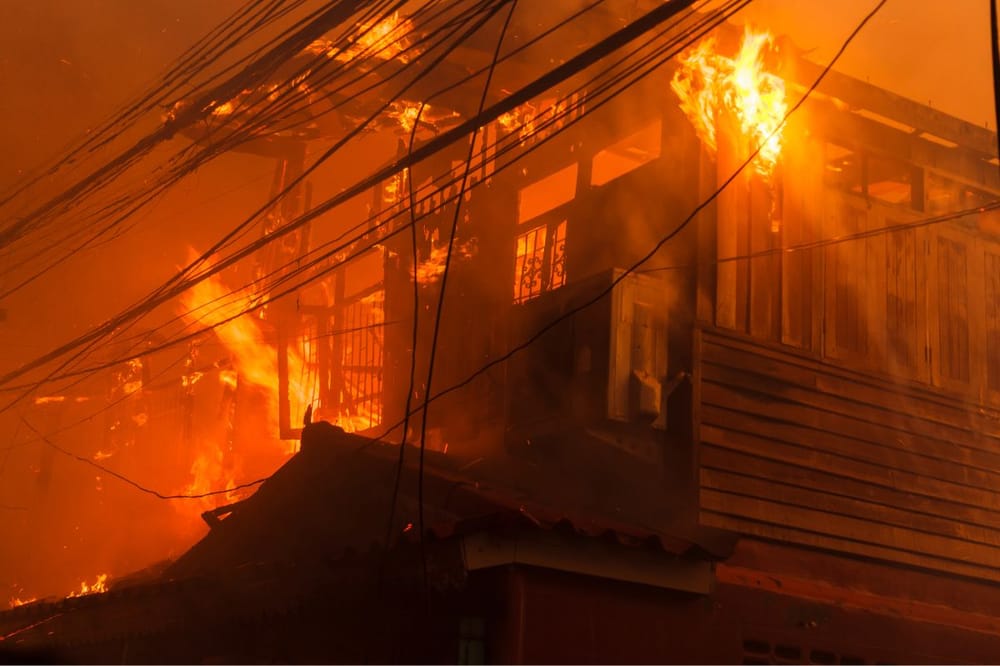
The devastating wildfires sweeping through Los Angeles could trigger rent increases of up to 12%, exacerbating an already strained housing market. Experts warn that the widespread destruction, which has displaced thousands of homeowners, will create a major shock to housing demand in the region.
A Housing Crisis Intensifies
The fires have caused over $135 billion in damage, destroying at least 10,000 structures and forcing 180,000 people to evacuate. Many displaced residents are now turning to the rental market, intensifying competition for housing in a city where more than 54% of residents are renters—and nearly 60% of them already spend over 30% of their income on rent.
Selma Hepp, chief economist at CoreLogic, noted that the lack of available housing will likely lead to a "doubling or tripling of rent growth" in some areas. Certain landlords may even take advantage of the crisis, potentially engaging in price gouging for highly desirable rental properties.
Comparing Past Disasters
The rental surge in Los Angeles could outpace that seen after Hurricane Harvey in 2017, when Houston rents rose by 4%. Unlike Houston, Los Angeles has a much tighter housing market, with a vacancy rate of just 5.1%—one of the lowest in the U.S. This limited availability is expected to push rents up by as much as 8% to 12%, according to CoStar’s Jay Lybik.
Additionally, fire damage often takes longer to repair than flood damage, meaning the heightened demand for rentals could last for years.
A City Already on Edge
The median rent in Los Angeles is currently $3,000, which is 52% higher than the national average. Luxury rentals in neighborhoods like Brentwood and Santa Monica are seeing even more intense demand, with rates climbing as high as $25,000 per month.
For a city already grappling with a severe housing shortage and an estimated 186,000 unhoused residents, the wildfires could worsen affordability and force many renters into even more precarious financial situations.
What’s Next?
As Los Angeles works to recover, the strain on its rental market is likely to persist, underscoring the broader housing challenges facing California. Addressing these issues will require long-term solutions to expand housing supply and provide relief to both renters and displaced homeowners.
© Copyright 2024. All Rights Reserved.
© Copyright 2024. All Rights Reserved.