

July CPI Tame Headline Offers Relief—but Core Pressures Linger
Wednesday, August 12, 2026
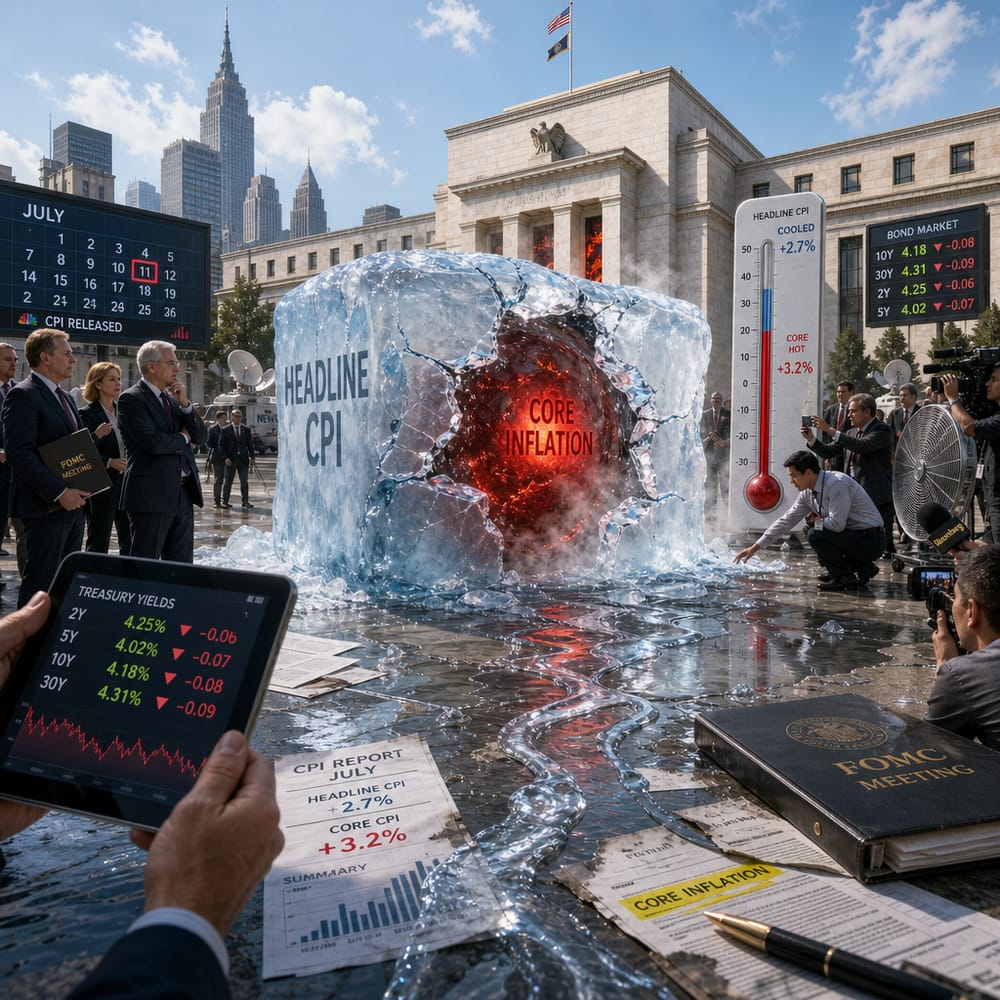
The guy at the grocery store just rounded down my total bill. Gas is still pricey but not outlandishly so, and I’m almost convinced I don't need a loan to buy a dozen eggs. Inflation is cooling off, or so it seems from the headlines. But wait! Before you pop the bubbly, there’s more to this inflation saga than meets the eye.
Our latest inflation report reads something like a plot twist in an epic drama. July's Consumer Price Index (CPI) report showed that overall inflation—or headline inflation—rose a tepid 0.1% for the month. Sounds like good news, right? But peel off that top layer, and you’ll find core inflation, the stubborn sibling that refuses to pack up and leave. This pesky little figure, which excludes volatile food and energy prices, ticked up 0.2% from the previous month. It's like having a party guest who overstays their welcome.
WHAT'S DRIVING CORE INFLATION?
So, what's fanning the flames of core inflation? It starts with sectors like housing and medical care. Rents are still climbing the walls, and healthcare? Let’s just say your last hospital visit wasn’t any cheaper. Transportation costs are also driving up core inflation; think car insurance and repairs, both of which are feeling the pinch of past supply chain snarls and labor shortages. It seems like core inflation is living in its own world, separate from the fuel and food prices that dominate our daily chatter.
IMPACT ON FEDERAL RESERVE DECISIONS
The Federal Reserve, our nation’s monetary lifeguard, is sitting on the edge of its chair. Its job is to keep inflation in check and the economy afloat, without sending us into a recessionary storm. With headline inflation showing restraint, the Fed might feel less immediate heat to jack up rates. But core inflation's stubbornness is enough to give Jerome Powell some serious heartburn.
The Fed’s game of Rate Hike Roulette means weighing these inflation stats, and core inflation acts like that one pesky grain of sand in the beach picnic. They’ve got to figure out if the economy needs more interest rate hikes to hose down inflation or if they can finally ease off the pedal. At the last meeting, three members were leaning towards a rate hike, and with core CPI not playing nice, that number might grow.
ECONOMIC RAMIFICATIONS
Why should we care? Well, for starters, the Fed’s decisions can ripple across the economy affecting everything from mortgage rates to the stock market. Consistent rate hikes could cool down consumer spending, and in turn, slow down the economy. Set the lever too high, and we might slip into a recession. But if they go too easy, inflation could spring back, and the cycle starts anew.
Persistent core inflation can also affect real wages. If inflation grows faster than income, your paycheck buys less, even if you’re getting the same amount in dollars. With half of Americans indicating that missing a single paycheck would be financially catastrophic, any signs of rising prices can translate into real anxiety.
THE MARKET’S TAKE
Wall Street seems cautiously optimistic. The S&P 500 ticked up after the inflation report, driven by the feeling that the Fed might hold off on aggressive rate hikes—at least for now. AI-related shares, the darlings of the tech world, got a nice boost, hinting that investors are still willing to bet on growth stories even amid economic uncertainty.
But keep your eyes on the energy markets. Oil prices, which have been inching upwards, might still have surprises in store, especially with geopolitical tensions in oil-rich regions. And don't forget gold. The shiny metal has been climbing, reflecting a safe-haven play as investors hedge against uncertainty.
WHERE WE GO FROM HERE
So, where does this leave us? Eyes are glued to Washington, waiting for the next Federal Open Market Committee (FOMC) meeting like it’s the finale of a hit drama series. Investors and consumers alike will be on the lookout for any changes in the Fed’s stance as they interpret these inflation numbers.
Meanwhile, it’s crucial for retail investors to stay informed and agile. Understanding how inflation affects your purchasing power and investment portfolio is key. Whether you're betting on tech stocks, diversifying into commodities, or just trying to make it through your grocery list without forfeiting your firstborn, these trends will affect you.
In the world of finance, nothing stays static. Inflation’s ebb and flow is just another chapter in a never-ending saga of economic intrigue. And as always, keep your wits about you, because it’s never just about the numbers—it’s about what they mean for your bottom line.
This article is for informational purposes only and is not investment advice. Always do your own research or consult a licensed financial professional before making investment decisions.
© Copyright 2024. All Rights Reserved.
© Copyright 2024. All Rights Reserved.