

July CPI Data Reveals Modest Inflation Uptick, Driven by Shelter Costs
Saturday, August 22, 2026
JULY CPI DATA REVEALS MODEST INFLATION UPTICK, DRIVEN BY SHELTER COSTS
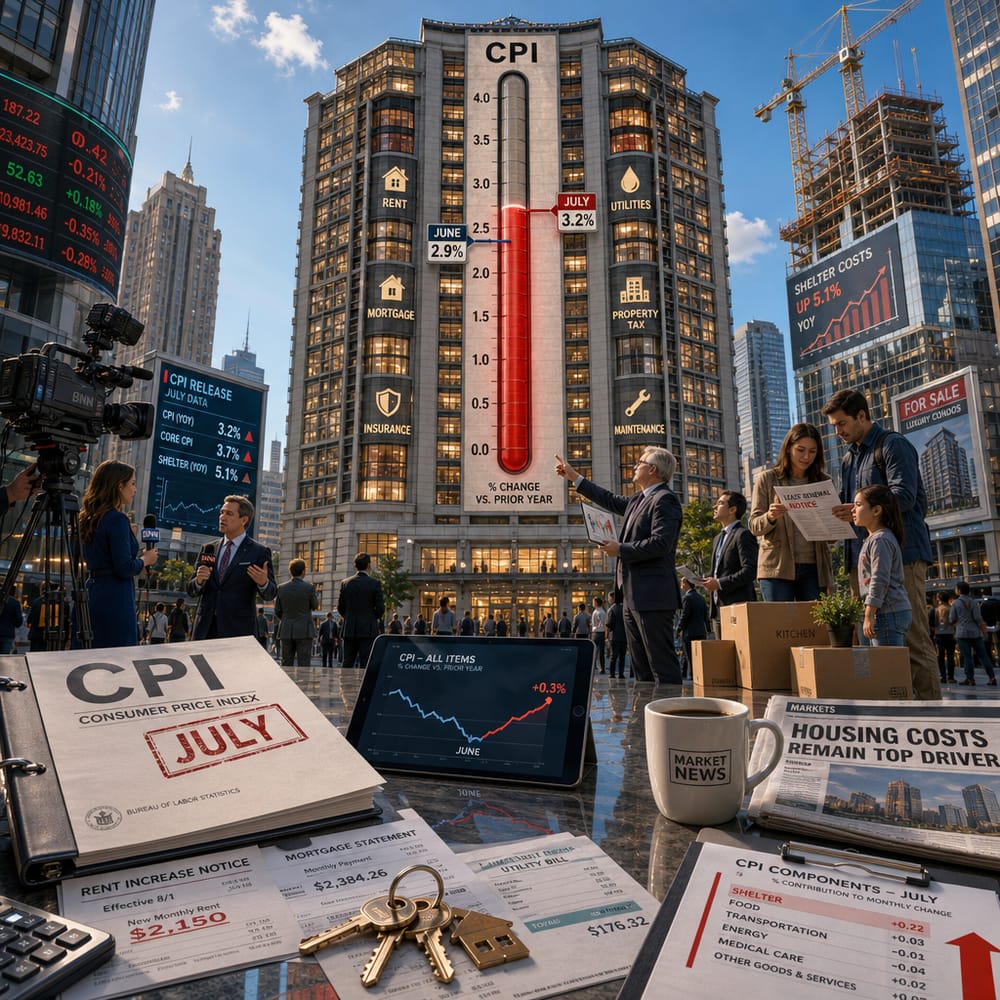
Mornings don’t always bring sunshine and rainbows, especially when they deliver the latest Consumer Price Index (CPI) report. In July, inflation shook off the deflationary trend seen in June like a bad habit. The culprit? Those pesky shelter costs sneaking up like a stealthy ninja in the night. Yes, when it comes to inflation, even the roof over your head can't be trusted to keep quiet.
Now, if you’re asking what’s powering this uptick in shelter costs, imagine a steam train of demand chugging relentlessly while supply struggles to lay track. Housing markets in many parts of the U.S. are hotter than a skillet on Sunday morning. With a persistent shortage of homes and rental units, costs have been pushed up faster than a jack-in-the-box. Throw in a tight labor market with people relocating for jobs, and you’ve got a recipe that’s inflating housing prices like a balloon at a toddler's birthday party.
The implications of rising shelter costs are as clear as a bell toll. For the average consumer, this means budgeting for rent or mortgage payments is now akin to mastering a high-wire act without a safety net. Every dollar funneled into housing is a dollar that can't be splurged on dinners out or the latest iPhone. It’s financial calculus with a side of frustration, and it's cutting into discretionary spending quicker than you can say "fixed-rate mortgage."
Of course, this inflationary flare-up is catching the Federal Reserve’s eye. You know, the folks who love a good interest rate tweak. The Fed watches inflation like a hawk, and with rising costs of living, they have to decide if it’s time to play whack-a-mole with the interest rates again. The dilemma is as layered as a lasagna: Raise rates too fast, and risk stunting economic recovery; move too slow, and inflation could start to feel as inevitable as Monday morning.
Monetary policy decisions are like a high-stakes game of Jenga—the wrong move could bring everything tumbling down. If the Fed decides to increase rates to tame inflation, it might cool down the housing market somewhat. However, it also means higher borrowing costs across the board, from mortgages to car loans, which could further squeeze those already feeling the pinch from inflated rents.
Let’s not forget the ripple effect. Rising shelter costs are also likely to nudge other sectors in unexpected ways. More folks might rethink big-ticket purchases or delay starting families—decisions that echo back into industries from real estate to baby carriages. It’s a financial domino effect, with each piece tied to another in an intricate dance of dollars and cents.
In the grand scheme of inflationary trends, shelter is the heavyweight champion. It’s the component that often leaves a lasting impression on the CPI, and right now, it’s carrying the torch for inflation. For retail investors, understanding these dynamics helps in anticipating market movements, particularly in sectors sensitive to interest rates and consumer spending.
So, what’s a savvy investor to do? Keep an eagle eye on Fed meetings and housing market reports. Stock up on companies that cater to budget-conscious consumers or those in the business of building new homes could be wise. Defensive stocks in sectors like utilities and consumer staples often weather economic storms better than others. They’re not the flashiest, but sometimes a steady ship is what you need when economic seas are choppy.
At the end of the day, while shelter may be making headlines for its role in inflation, it’s also shedding light on the broader economic narrative. Rising demand, coupled with limited supply, keeps costs bubbling, and the Fed's decisions over the coming months will be crucial in shaping not only shelter costs but the broader economic landscape. This isn't just about numbers; it's the story of the economy, and everyone from investors to policymakers is paying attention.
So next time you hear about the CPI, remember: It's not just a number—it’s a signpost on the road to understanding the economy's intricate dance. And like any good story, it’s full of twists, turns, and maybe even a surprise ending.
This article is for informational purposes only and is not investment advice. Always do your own research or consult a licensed financial professional before making investment decisions.
© Copyright 2024. All Rights Reserved.
© Copyright 2024. All Rights Reserved.