

Jobs Reversal in July: 23,000 Jobs Lost, Shifting Fed Expectations
Tuesday, August 11, 2026
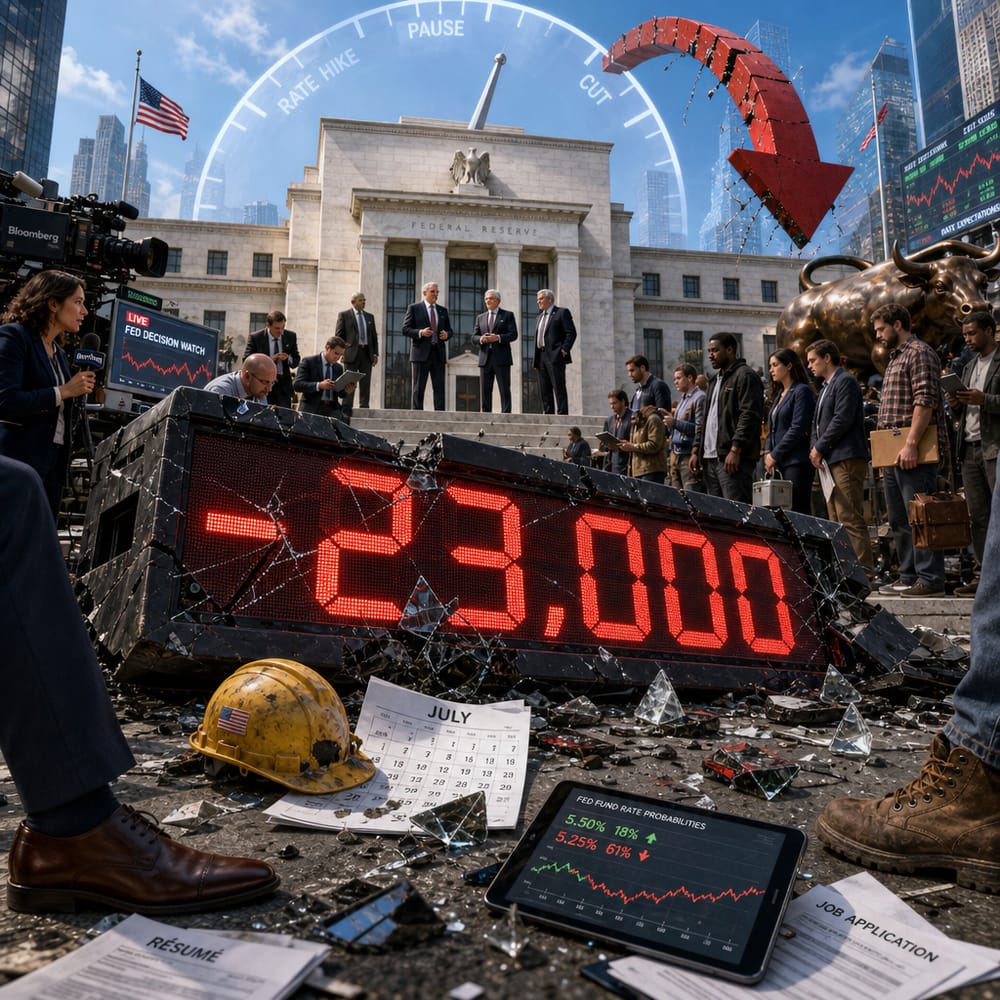
JOBS REVERSAL IN JULY: 23,000 JOBS LOST, SHIFTING FED EXPECTATIONS
Grab your popcorn, folks, the U.S. economic theater has just premiered a plot twist nobody saw coming: the labor market just hit us with the shocking news of 23,000 jobs vanishing into thin air in July. That's a headline guaranteed to make even the most stoic economist spit out their morning coffee. But what exactly sent those jobs packing, and what does it mean for our wallets and the Federal Reserve’s next move? Let’s unravel this mystery.
THE CASE OF THE MISSING JOBS: WHO’S THE CULPRIT?
We’re used to surprises in the job market, but losing 23,000 jobs when we were all set for gains is like finding out your favorite TV show got canceled. So, who’s to blame? Some say it’s lingering economic uncertainties still playing ghost from the pandemic's past, while others point fingers at new tech making human jobs obsolete faster than you can say “artificial intelligence.”
And let’s not forget the classic villain of inflation. Rising costs have some businesses pinching pennies — and payroll — tighter than ever. Add in a sprinkle of geopolitical tensions and some volatile oil prices, and you’ve got a recipe for a job market rollercoaster. The reality is likely a mishmash of these factors, each playing its part in the job-loss drama.
FEDERAL RESERVE: TO HIKE OR NOT TO HIKE?
The Federal Reserve, often seen as the grand puppet master of economic strings, has been in a rate-hiking mood to curb inflation. But with these job losses yanking the rug out from under them, their next move is anything but certain. The Fed has been using job market health like the North Star for rate decisions, and this sudden turn of events is akin to clouds covering the sky.
Will the Fed hit pause on rate hikes to give the job market a chance to rebound, or will they stick to their guns, convinced inflation is the bigger beast to tackle? If they choose the former, borrowing could stay cheaper, which means that car loan or mortgage might still be within your reach. But if they go with the latter, brace yourself for tighter financial times.
THE BROADER ECONOMIC RIPPLE
This job market plot twist isn’t happening in a vacuum. It sends shockwaves through consumer confidence and spending habits — the very lifeblood of our economy. If people worry about job stability, they tend to close their wallets faster than you can say “recession,” which could slow down the economy further.
Moreover, this labor market confusion spills over into sectors like retail, where jittery consumers spend less, and into housing, where confidence dips can keep homebuyers at bay. The stock market, too, isn't immune; investor sentiment could sway like a pendulum, affecting everything from tech giants to your friendly neighborhood pizza joint’s stock.
KEEPING AN EYE ON THE FUTURE
What does this mean for us, the everyday retail investors scrolling through headlines like detectives on a case? Keep your eyes peeled for updates from the Fed. Their next move will be critical. A pause in rate hikes could offer relief to the markets and borrowing costs, but continued hikes could signal a bumpy road ahead.
Diversifying investments remains key. Think about sectors that can weather storms — utilities, healthcare, and those tech innovations driving the change, not just suffering from it. And remember, sometimes the best offense is a good defense; having cash in reserve can turn economic uncertainty into opportunity.
So there you have it, the job market saga of July 2023 — unexpected, mysterious, but not without its lessons. As we wait for the next economic plot twist, stay informed, stay savvy, and maybe, just maybe, keep a fresh pot of coffee on standby.
This article is for informational purposes only and is not investment advice. Always do your own research or consult a licensed financial professional before making investment decisions.
© Copyright 2024. All Rights Reserved.
© Copyright 2024. All Rights Reserved.