

Jobless Claims Increase Slightly, Layoffs Remain Low
Thursday, July 30, 2026
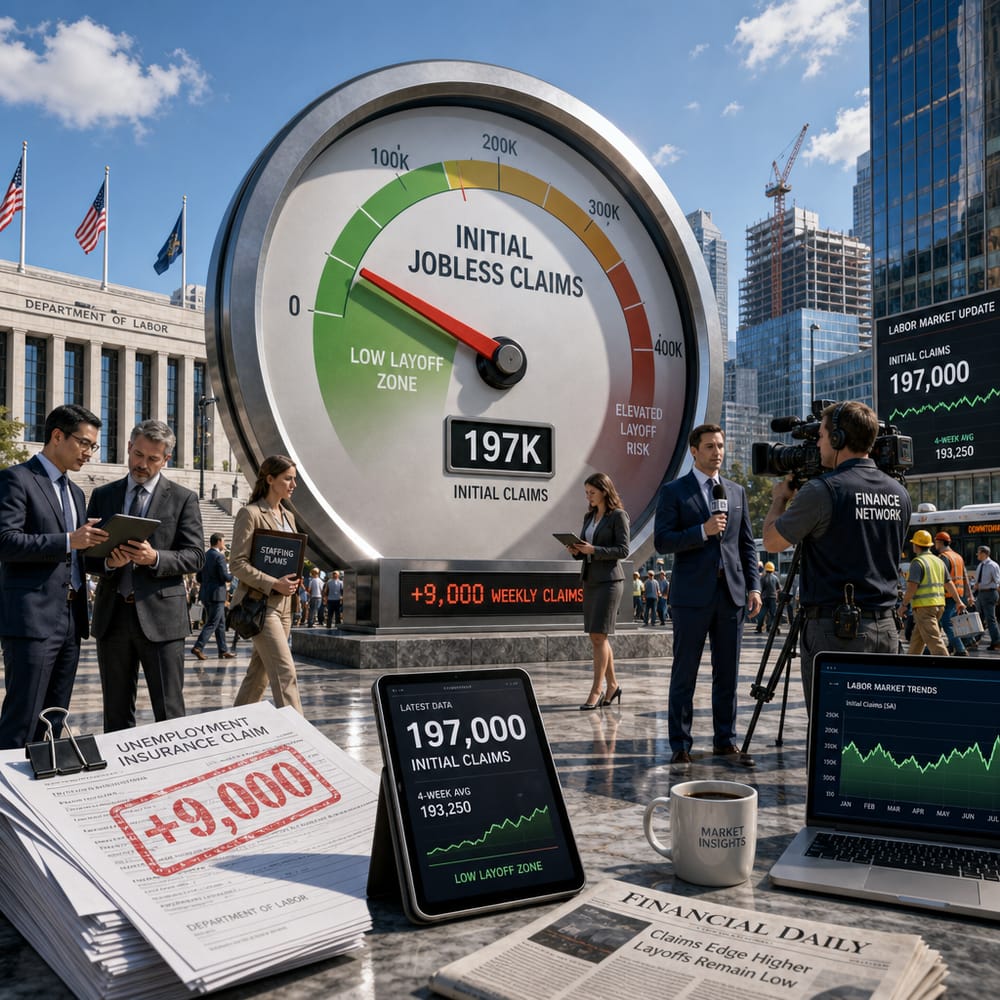
THE CURIOUS CASE OF THE (BARELY) RISING JOBLESS CLAIMS
Brace yourselves, folks: America's jobless claims have risen — wait for it — by 9,000! While this might feel like a mere splash in the kiddie pool of economic waves, it’s got financial pundits and market watchers raising an eyebrow. What's behind this slight uptick, and what does it mean for you, your investments, and that comforting feeling you get every time you open your banking app?
First, let’s zoom out for perspective. The number to beat (or not beat) at the moment is 197,000. That's how many folks filed for unemployment benefits for the week ending July 25. Sounds like a lot, right? Wrong. In the grand scheme of things, it’s like discovering a forgotten $5 bill in your jean pocket — not life-changing but a nice-to-know nugget. Layoffs are still lounging at historically low levels, painting a portrait of a labor market that’s surprisingly resilient.
So, why the increase? A smattering of reasons, but the main culprit appears to be the summer slump. Seasonal roles — think vacation spots and summer camps — are winding down. People are wrapping up their short-lived gigs, and naturally, a few more are glancing around for new opportunities. But don’t sound the alarm bells just yet. There's no sign of systemic issues or a looming recession. It’s more like the economy taking a leisurely stroll through the park, rather than sprinting towards a cliff.
Now, why should you care about these numbers when the latest AI drama is stealing all the headlines? Simple: the labor market is the unsung hero of economic growth. A strong job market means more people working, earning, and importantly, spending. Consumer spending is the lifeblood of the U.S. economy, making up about 70% of GDP. More people employed means more checkouts at Target and more lattes from Starbucks — feeding back into the economic beast that powers your 401(k).
But, here’s the twist in our tale. While the job market is clutch at bolstering economic growth, it can also be a runway for inflation. With more people working and spending, the demand for goods and services can outpace supply, causing prices to rise. A dilemma for the Federal Reserve, which is on a quest to keep inflation in check without putting the brakes on the job market.
Now let’s sprinkle in some market reactions, shall we? The Fed's recent decision to hold interest rates steady reveals cautious optimism. It's like pulling a Goldilocks — avoiding rates that are too high to not crush the job market, but not too low to avoid sparking inflation again. It’s a delicate dance, with dissenting voices in the Fed's ranks adding a bit of drama to the mix.
All this makes it a surprisingly interesting time to be a retail investor. With Microsoft and Meta illustrating the tale of two techs — one rising, the other stumbling — and other sectors facing their own unique challenges, it’s vital to keep an eye on trends. A resilient labor market could mean continued economic stability, which might keep markets relatively buoyant despite external pressures.
However, remember that other factors play tag with the economy — geopolitics, supply chain hiccups, and yes, AI shake-ups included. It's a mixed bag out there, and staying informed is your compass through these turbulent waters.
So, what’s the takeaway here? While the slight rise in jobless claims might seem like a trivial footnote, it’s a helpful gauge of the economy’s pulse. Keep a cool head, don your economist hat, and watch how the labor market's resilience impacts economic growth. After all, knowing what’s going on beneath the surface can guide your investment decisions and maybe, just maybe, give you the edge to wow your friends at the next dinner party with your dazzling economic insights.
This article is for informational purposes only and is not investment advice. Always do your own research or consult a licensed financial professional before making investment decisions.
© Copyright 2024. All Rights Reserved.
© Copyright 2024. All Rights Reserved.