

JMIC Confirms Iran Oil Blockade—What Commodities Traders Are Watching
Wednesday, July 15, 2026
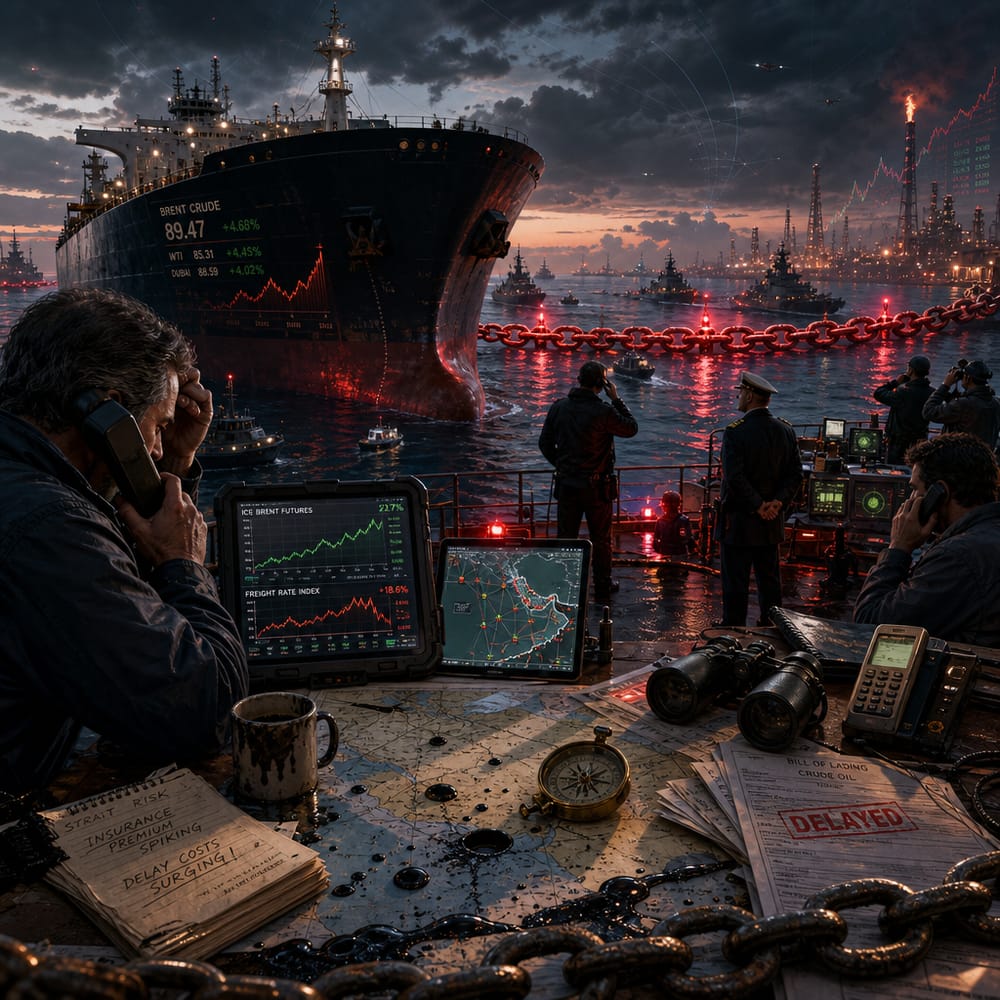
IRAN OIL BLOCKADE: WHAT IT MEANS FOR YOUR PORTFOLIO
The Recipe for a good geopolitical drama? Take one part Middle Eastern tension, add a splash of strategic waterways, and stir in a pinch of U.S. military might. Voilà, you’ve got the latest headlines: the Joint Maritime Interdiction Coalition (JMIC) just confirmed a full-on naval blockade of Iranian ports, effective July 14. Missed it? Don’t worry, it’s not something you’d find on your typical summer reading list, but it's definitely spicing up the world of commodities trading.
Just as the market was starting to feel as predictable as a Netflix rom-com, geopolitical tensions decided to crash the party. Let’s break down what exactly is happening and why it matters to your investments.
THE BLOCKADE IS OFFICIAL
So, what's the big deal? JMIC has essentially put the brakes on any vessel leaving or entering Iranian ports. That might not sound as thrilling as the latest Marvel flick, but it’s a major shake-up for the oil market. Iran is a heavyweight in the oil world, and this blockade is like someone pulling the emergency brake on a rollercoaster — the impact is immediate and potentially volatile.
With the U.S. military strikes on Iran intensifying, and the blockade now in full swing, the Strait of Hormuz is more than just a strategic maritime chokepoint; it’s the epicenter of global oil supply anxiety. Around 20% of the world's petroleum passes through this narrow strait, and now it's crawling with naval blockades.
THE MARKET REACTS
Naturally, the oil market took the news like a caffeine-deprived commuter on a Monday morning. Oil prices jumped — West Texas Intermediate futures ticked up, and Brent crude didn’t need to be asked twice to join the upward momentum. Investors, always on the hunt for the next big move, are now trying to figure out whether this is a short-term blip or the start of a longer trend.
Shipping rates are also feeling the heat, as carriers factor in the increased risks of navigating dicey waters. We're talking about insurance premiums rising and freight rates getting a nudge upwards. If you're in the shipping biz, things have just gotten a bit more “adventurous.”
INVESTMENT PLAY — THINK ENERGY AND METALS
Now, if you’re wondering how to play this geopolitical chess match, look no further than the energy sector. Rising oil prices could mean good news for traditional energy stocks. Watch out for oil giants like ExxonMobil and Chevron; they might as well have a front-row seat to this spectacle.
But don’t ignore the metals market. With tensions brewing, there’s often a flight to safety, and metals like gold and silver become the go-to assets. They’re the market's equivalent of comfort food — reliable and reassuring when the world feels unpredictable.
And, let’s not forget shipping. While the current situation might pinch profits due to higher operational costs, demand for logistics and shipping could soar as companies scramble to diversify routes and suppliers. Keep an eye on companies like Maersk and Hapag-Lloyd, as they navigate these choppy waters.
THE GEOPOLITICAL PREMIUM
So, what’s the takeaway here? Geopolitical events add a “premium” to commodity prices. This isn't just about oil; it affects everything from your portfolio's energy stocks to the price of gas at your local station. Investors are now weighing whether to stay the course or adjust to the new geopolitical reality. It’s a classic case of risk versus reward, with a side of unpredictability.
In the end, this blockade is more than just another headline. It’s a real-world reminder that markets aren’t just driven by interest rates and earnings reports. Sometimes, they’re shaped by global chess games that make your daily market watch feel like tuning into the World Series.
So, what’s your move in this geopolitical game of Risk? Whether you decide to ride the oil wave, hedge with metals, or bet on shipping resilience, just remember: in the world of investing, nothing is ever as simple as it seems. And that’s exactly what keeps it interesting.
This article is for informational purposes only and is not investment advice. Always do your own research or consult a licensed financial professional before making investment decisions.
© Copyright 2024. All Rights Reserved.
© Copyright 2024. All Rights Reserved.