

Japan’s Inflation Surge: The Bank of Japan’s Next Rate Hike Might Be Closer Than You Think
Friday, February 21, 2025
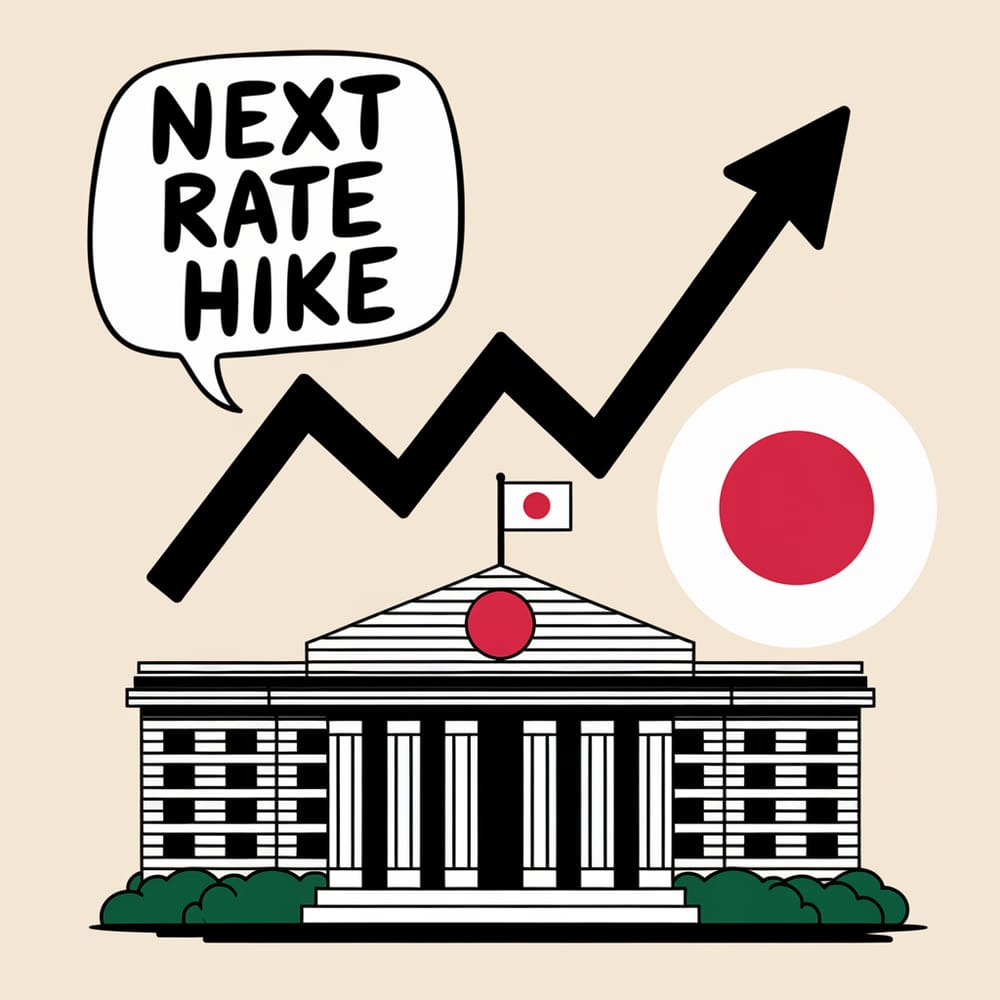
Japan’s inflation is heating up faster than expected, pushing the Bank of Japan (BOJ) closer to another interest rate hike.
The culprit? Rising food prices.
With inflation hitting its highest level since mid-2023, BOJ officials now have little choice but to tighten monetary policy further. Let’s break down what’s happening and why it matters.
Inflation Hits a Two-Year High
• Core inflation (excluding fresh food) rose 3.2% in January—the biggest jump since June 2023.
• Overall inflation surged to 4%, crossing that mark for the first time in two years.
• Rice prices skyrocketed by 70.9%, with other staples like vegetables also surging.
Japan is now facing the highest inflation among the G7 nations, adding pressure on the BOJ to act.
BOJ’s Dilemma: Rate Hikes or Waiting It Out?
BOJ Governor Kazuo Ueda has already raised interest rates three times in the past year, but the continued inflation spike is raising expectations for another hike—possibly sooner than expected.
Many economists were predicting the next rate hike around July, but with prices still climbing, the BOJ may have to move faster.
According to Taro Saito of NLI Research Institute, Japan’s core inflation is likely to stay at 3% in the first half of the year, meaning another rate hike is almost inevitable.
Why Are Prices Climbing?
Several factors are driving Japan’s inflation higher:
✔ Weaker yen – Making imports more expensive.
✔ Labor shortages – Pushing up wages and costs for businesses.
✔ Climate impact – Hot summers affecting food production.
✔ Supply chain issues – Making basic goods more expensive.
To make matters worse, major food companies plan to double the number of price hikes this year, according to a Teikoku Databank report.
Translation? Prices are going to keep rising, and consumers will feel the squeeze.
The Real-Life Impact: Households Are Struggling
The Japanese government is feeling increasing pressure as everyday people struggle with rising costs.
• 65% of surveyed households say they “feel the burden of inflation very much”, up from 49% just three months ago.
• Wages have barely increased, rising only 0.5%—nowhere near enough to keep up with price hikes.
• With a national election looming by July, Prime Minister Shigeru Ishiba’s government is on edge.
As voters grow more frustrated, inflation is becoming a political headache for Japan’s leadership.
What’s Next?
• BOJ will likely raise rates again, but the question is when.
• Consumers are struggling, and if wages don’t rise, spending could drop—which might slow down the economy.
• Investors are watching closely, as Japan’s benchmark 10-year bond yields have already started rising in anticipation of higher rates.
For now, all eyes are on the BOJ. Will it act fast to tame inflation, or will it wait and risk prices climbing even higher?
Either way, Japan’s economy is at a turning point—and what happens next will shape markets, businesses, and households for months to come.
© Copyright 2024. All Rights Reserved.
© Copyright 2024. All Rights Reserved.