

Iran Talks Restart: What "Great Progress" Means for Oil
Sunday, June 21, 2026
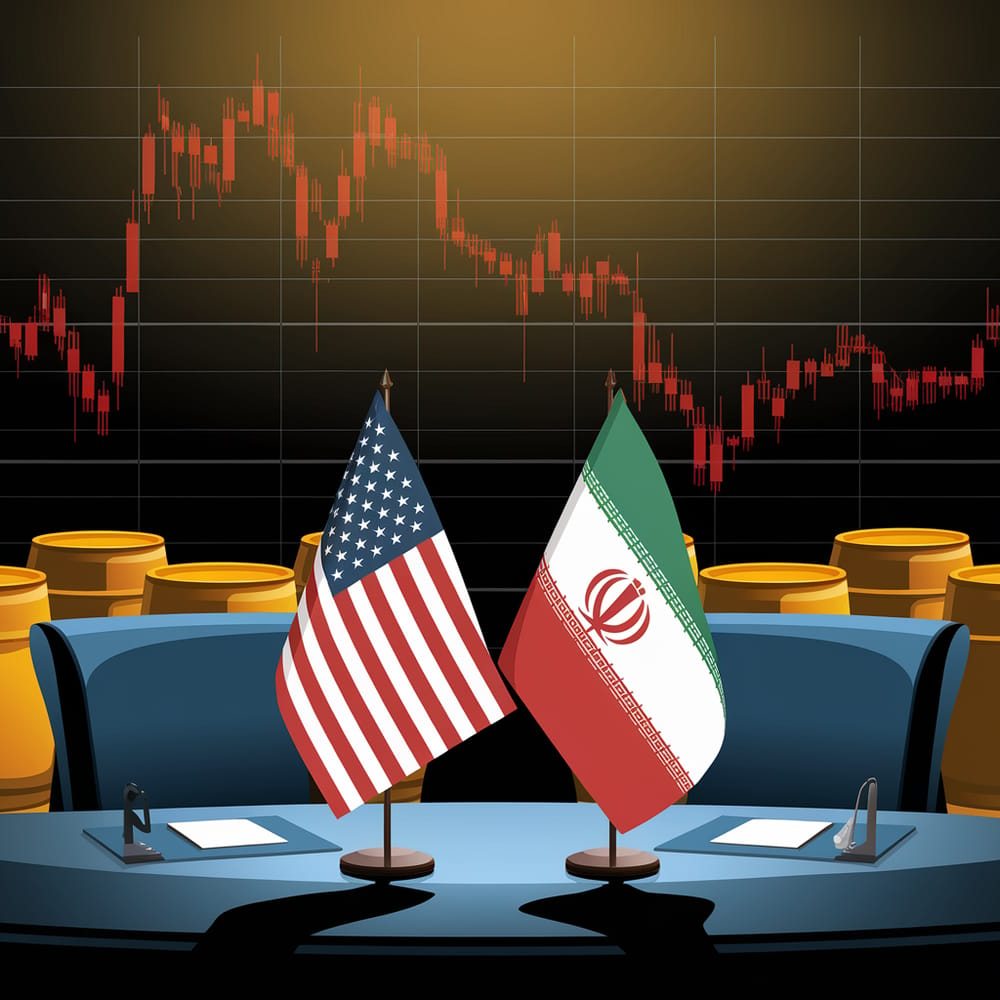
After a tense Friday that saw negotiations abruptly postponed, U.S. and Iranian delegations finally sat down together this weekend at the Bürgenstock resort in Switzerland. Within hours, Vice President JD Vance was telling reporters that "great progress" was being made. For a market that has spent months white-knuckling every Strait of Hormuz headline, those two words could matter more than any data point on next week's calendar. Here is what retail investors need to know before Monday's open.
Why This Weekend Suddenly Matters
The talks were supposed to happen Friday and then collapsed over what officials called unresolved logistical issues. Their revival on Sunday — with mediators from Qatar and Pakistan in the room and an emergency session on Lebanon bumped to the top of the agenda — signals that both sides want a deal badly enough to keep showing up. Markets hate uncertainty, and a negotiating table is far less scary than an empty one.
The Hormuz Wild Card
The backdrop is the Strait of Hormuz, the chokepoint through which roughly a fifth of the world's oil flows. Iran has repeatedly claimed it is closing the strait over Israel's strikes in Lebanon; the U.S. military has just as repeatedly said traffic is moving normally. That tug-of-war has whipsawed crude all month. The single biggest prize from these talks is a durable agreement that keeps tankers moving — and keeps the fear premium out of the oil price.
What It Means for Crude
Brent settled near $80.57 and WTI around $77.54 on Friday, both well off the panic highs that flickered earlier in the standoff. The EIA still pencils in roughly $105 Brent for June and July before prices ease toward $89 by the fourth quarter as Hormuz traffic normalizes. In plain terms: a confirmed deal could pull that forecast lower and faster, while a breakdown could send crude right back toward triple digits. Energy traders will be watching the Sunday-night futures open for the first read.
The Ripple Into Stocks
Oil is not just an energy-sector story. Cheaper, calmer crude takes pressure off inflation expectations — exactly what a jittery Fed wants to see ahead of Thursday's May PCE report. That could ease the higher-for-longer rate fears that have been pressuring growth stocks and crypto alike. Conversely, an oil spike would reignite the inflation worry that has dogged equities since the June FOMC meeting. Energy names, airlines, and transports sit on opposite sides of that seesaw.
How to Play It Without Guessing
The honest truth is that geopolitical talks are binary and unpredictable, and headlines can reverse within hours — Friday's collapse proved that. Rather than betting the farm on an outcome, many investors prefer to watch how the market digests the news: a quiet, sustained drift lower in oil tends to be more reliable than a one-day spike or plunge. Position sizing and patience beat trying to trade the press conference.
The Bottom Line
"Great progress" is encouraging, but it is not a signed deal. The Switzerland talks have turned a weekend of dread into a weekend of cautious hope, and the oil tape will tell the story before the headlines catch up. Keep an eye on the Monday open, the EIA forecast, and Thursday's PCE print — together they will frame whether this is the start of a genuine de-escalation or just another twist in a very long saga.
This article is for informational purposes only and does not constitute investment advice. Always do your own research and consult a licensed financial professional before making investment decisions.
© Copyright 2024. All Rights Reserved.
© Copyright 2024. All Rights Reserved.