

Iran's Crypto Tariffs: A New Front in Economic Sanctions
Tuesday, August 11, 2026
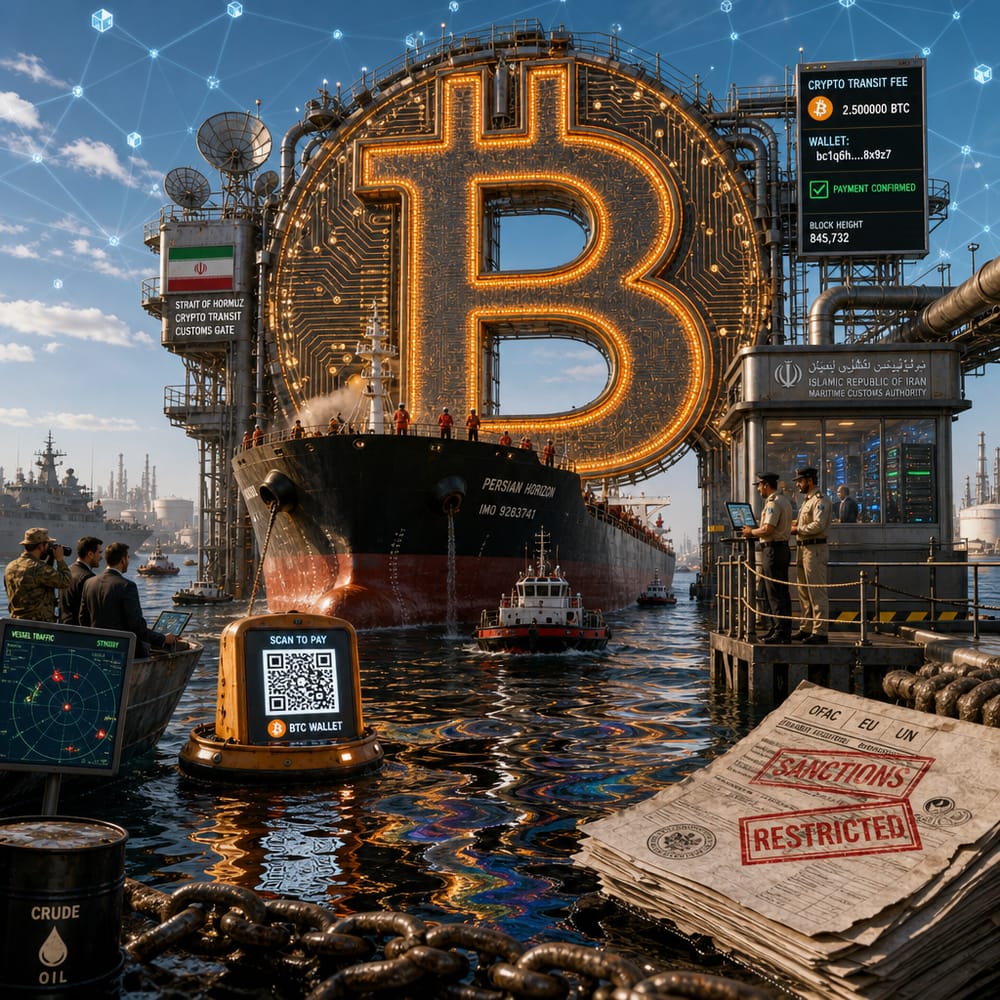
IRAN'S CRYPTO TARIFFS: A NEW FRONT IN ECONOMIC SANCTIONS
In a move that feels like a plot twist straight out of a spy thriller, Iran is now demanding that oil tanker transit tolls be paid in cryptocurrency. Yes, you read that right. Tehran is swapping dollars for digital coins in a bid to dodge international sanctions like Neo dodging bullets in The Matrix. It’s a radical shift that could turn the world of international trade and geopolitics upside down, so grab your popcorn and let’s break it down.
Picture this: a tanker loaded with liquid gold (a.k.a. crude oil) is cruising through the Strait of Hormuz, historically a hotspot for political tension defined by strategic control. Instead of reaching for a dusty stack of hundred-dollar bills to pay their toll, these tanker operators are now reaching into the virtual ether of cryptocurrencies. Iran's bold move to embrace digital currency payments for oil transits is like redefining the rules of a high-stakes poker game — where cash is not king, but code is.
WHY CRYPTO?
Why, you ask? Well, Iran’s economy has been feeling the squeeze of U.S. sanctions for years. Traditional transactions are tricky when your country is largely cut off from the global banking system. But cryptocurrencies? They’re borderless, decentralized, and government-free. This digital revolution provides Iran with a financial escape route, a way to keep its oil trade ticking without Uncle Sam pulling the strings.
THE GLOBAL RIPPLE EFFECT
So, how might this rip through the global crypto markets? For starters, if Iran’s bet pays off, we could see a significant demand spike for major cryptos like Bitcoin. And when demand rises, so do prices. Crypto enthusiasts might be secretly (or not-so-secretly) celebrating this potential bull run, but let’s not pop the champagne just yet.
There are risks lurking in those digital shadows. Cryptocurrency markets, already known for their volatility, could see even wilder swings. The prospect of other sanction-hit countries following Iran’s lead is enough to make any level-headed investor’s palms sweaty. Venezuela, North Korea, looking your way…
THE IRANIAN PERSPECTIVE
For Iran, this maneuver is not without its own set of pros and cons. On the plus side, it could inject much-needed liquidity into its economy, and help Tehran continue exporting oil without the pesky interference of Western sanctions. It's a financial lifeline that could stabilize, or even boost, Iran’s sagging economy.
But let’s not ignore the elephant in the room: regulation, or rather, the lack of it. Cryptocurrencies are famously hard to regulate, and while this might serve to Iran's advantage in dodging sanctions, it also opens up a Pandora's box of risk. Price manipulation, hacking, and the inherent instability of crypto markets could all come back to haunt Iran if this plan goes awry.
THE DOMINO EFFECT
Here’s the kicker — could Iran’s ploy inspire a trend among its fellow sanctioned nations? If this unconventional tactic proves successful, we might just see a domino effect where countries like Russia or Venezuela adopt similar strategies. After all, in the game of international trade survival, it’s adapt or fall behind.
Cryptocurrency could become the go-to currency for nations looking to slip through the net of economic sanctions. But this development would also likely spike interest from regulators across the globe, who may finally decide it’s time to take a closer look at the crypto wild west and lasso in some rules.
PARTING SHOTS
As this situation unfolds, the world is watching. A geopolitical gamble is underway, and it’s not just Iran that has skin in the game. Investors, policymakers, and crypto enthusiasts alike have a stake in how this novel strategy plays out. Will Iran’s digital currency detour prove to be a masterstroke or a misfire? Only time, and perhaps a few blockchain transactions, will tell.
For now, as we watch Iran's daring crypto gamble unfold, one thing is clear: the intersection of cryptocurrency and geopolitics is one wild, unpredictable ride. So stay tuned, because this saga is far from over.
This article is for informational purposes only and is not investment advice. Always do your own research or consult a licensed financial professional before making investment decisions.
© Copyright 2024. All Rights Reserved.
© Copyright 2024. All Rights Reserved.