

Iran-Oman Deal Nears Completion: Energy Market Implications
Sunday, August 09, 2026
IRAN-OMAN DEAL NEARS COMPLETION: ENERGY MARKET IMPLICATIONS
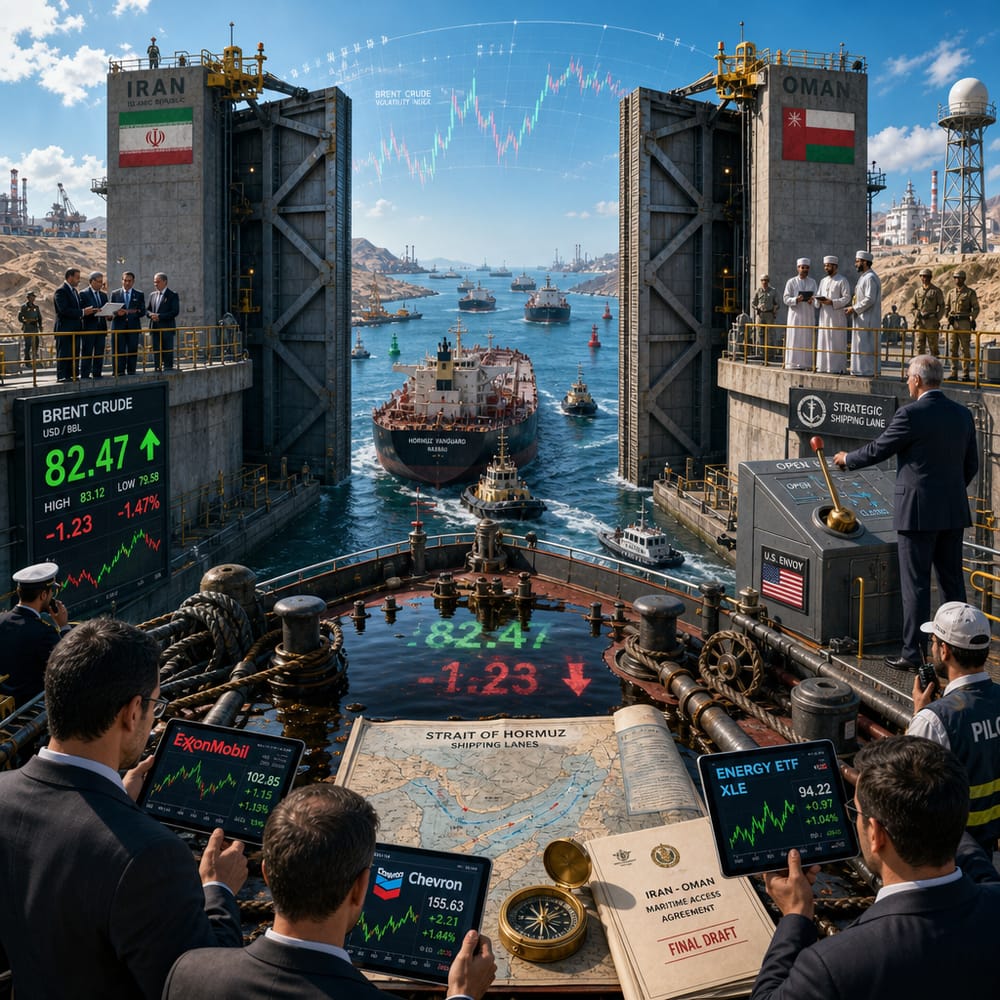
Start your engines, folks, because the Middle East's oil drama is revving up faster than the latest action flick. At the center of the plot is the Iran-Oman deal, which is reportedly entering its final act. But like any good thriller, there's a twist: the U.S. needs to play its part to open the Strait of Hormuz, a vital passage for the world's oil tankers. Without a resolution, we'll all be stuck in the lobby waiting for the sequel — and no one wants that when it comes to global energy supply.
THE DEAL AND ITS TERMS
So, what's this deal about, anyway? Picture this: Iran and Oman reaching across the Persian Gulf to shake hands over a massive oil deal that could reshape the energy landscape. While the nitty-gritty details are as guarded as a celebrity's beauty secrets, the goal is clear. Iran wants to pump more oil — a lot more — and Oman is ready to help get it to market.
The crux of the agreement involves investments in oil infrastructure and potential routes to streamline oil exports. If successful, this partnership could open the floodgates for Iranian oil, bolstering supply just as appetite is growing worldwide. But before you start planning to fill up your tank for less, just remember — the game isn't over yet.
THE U.S.: THE WILD CARD
Enter the wildcard: the United States. Historically, Uncle Sam hasn't been Iran's biggest cheerleader, to put it mildly. With the Strait of Hormuz acting as the oil traffic cop of the world — controlling around 20% of the global oil supply — the U.S. has a vested interest in keeping lines open and secure. But they also have sanctions in place, making the geopolitical chessboard more complex than ever.
So, how might the U.S. respond? Well, they could throw a wrench into the works by tightening sanctions or flexing military muscle. Alternatively, they could play nice and open dialogue, ensuring smoother passage for oil. But in the current environment, predicting America's next move is like trying to guess the next Powerball numbers — tricky and potentially life-changing.
POTENTIAL IMPACT ON GLOBAL OIL PRICES
Now, let's talk money — because what's oil without a little bit of speculation? If this deal goes through, prepare for some roller-coaster action in oil prices. Brent crude, the international oil benchmark, could see shifts that would make it the envy of any amusement park.
With increased Iranian output, we might see an initial dip in oil prices due to a surge in supply. But don't pop the champagne just yet. The market is as volatile as a teenager's mood swings, and geopolitical tensions could make prices spike faster than you can say “inflation.” Speaking of which, cheaper oil could ease those pesky inflation numbers that have been haunting us like a bad horror flick. But if tensions rise, all bets are off.
And what about stocks? Big players like ExxonMobil and Chevron aren't just sitting on their hands. Energy ETFs might also catch the eye of shrewd investors looking to capitalize on the shifts. But remember, with great profit potential comes great risk.
WHAT'S NEXT?
As this Middle Eastern drama unfolds, keep your eyes peeled and your portfolio nimble. The completion of the Iran-Oman deal could send ripples through the market, impacting everything from the price at your local gas station to the health of your investment accounts.
In the meantime, consider this your front-row seat to a geopolitical blockbuster where oil is the star, the U.S. is the unpredictable director, and the global economy waits in anticipation for the credits to roll. Stay tuned, because this is one show where missing the action could cost you big time.
This article is for informational purposes only and is not investment advice. Always do your own research or consult a licensed financial professional before making investment decisions.
© Copyright 2024. All Rights Reserved.
© Copyright 2024. All Rights Reserved.