

Iran Conflict's Ripple Effect on Forex Markets
Sunday, August 30, 2026
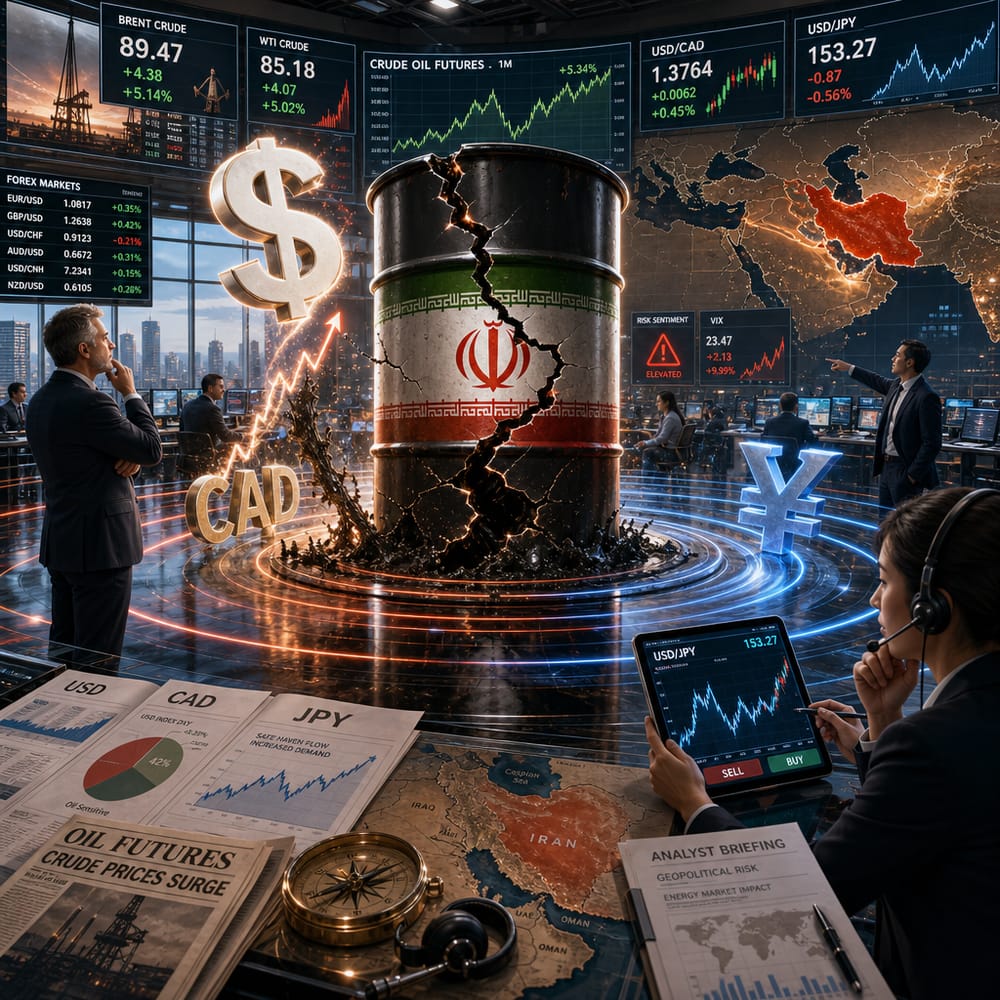
IRAN CONFLICT'S RIPPLE EFFECT ON FOREX MARKETS
If you thought your biggest worry today was whether your coffee's gone cold, think again. The brewing conflict in Iran is stirring more than just your morning caffeine fix — it's shaking up currency markets around the globe. The world of forex, where currencies are traded like the hottest commodities, is feeling the heat. And if you’ve got some USD, CAD, or JPY in your portfolio, you might want to sit up and take notice.
Geopolitical tensions have a notorious habit of making currency values dance the jitterbug, and the ongoing saga in Iran is no different. Here’s how it’s playing out.
THE US DOLLAR: KING OF THE HILL?
In times of chaos and uncertainty, investors traditionally flock to the USD, the world's go-to safe haven. Like a sturdy, unsinkable lifeboat in a stormy sea, the dollar has been catching the eye of nervous investors seeking refuge from geopolitical turmoil. It’s no surprise, really — the greenback has seen a surge as conflict fears have led investors to seek shelter, boosting its value.
But keep your excitement in check. While the USD remains a strong contender for the title of the world’s favorite currency, savvy investors know that a sudden spike in demand can create an equally dramatic drop when the tides turn. With ongoing speculation about interest rate hikes from the Federal Reserve, the dollar’s roller-coaster ride is far from over.
CANADIAN DOLLAR: RIDING THE OIL WAVE
Our neighbor to the north isn’t immune to the ripples caused by Iran’s crisis either. The Canadian Dollar, or the loonie, as our Canadian friends call it, is dancing to the tune of oil prices. Why? Because Canada’s economy is tightly hitched to oil. As oil prices climb in response to the tension in the Middle East, the CAD often gets a boost.
However, while higher oil prices might temporarily inflate the loonie’s value, they can also squeeze the broader economy, meaning it could be double-edged news for investors. The Canadian economy’s reliance on oil means it’s vulnerable to any price swings — and not just the upward kind. It’s not a bad time to dust off that crystal ball when it comes to oil futures, as they could be key to CAD’s next move.
JAPANESE YEN: THE CONSERVATIVE PLAYER
The Yen plays a different game. Known for its status as a ‘safe-haven’ currency among the major players, the Yen is typically a go-to option in times of geopolitical risk. The logic here is simple — as riskier assets wobble under pressure, the Yen steps in as a more stable alternative.
Yet, this time is a bit different. With Japan’s ever-so-careful handling of its own economic policies and the yen's persistent strength, there’s been a little less of a dramatic tilt toward the Japanese currency than usual. Still, the yen remains a critical player in this global chess game, a steady hand that can help balance out the more volatile options.
THE BIGGER PICTURE: VOLATILITY ON THE RISE
So what does this mean for you, the retail investor keeping one eye on your app and the other on your morning toast? For starters, buckle up for a bumpy ride. Geopolitical chaos means market volatility, and volatility is the name of the game in forex trading.
It’s critical to stay informed and keep that finger on the pulse of global events. Currency values can shift with every new headline, and the Iran conflict is churning out plenty of those. Flexibility and quick reflexes are your best allies in this fast-paced environment. Keep an ear out for changes in oil prices, interest rate speculations, and political maneuvers — they all have a part to play in this dramatic saga.
So, as you scroll through your phone or nurse that now-cold cup of joe, remember: the forex market is a living, breathing thing, reacting to every whisper of change. The more you understand its movements, the better you can navigate the choppy waters, whether you're a seasoned investor or just dipping your toes in for the first time. Stay sharp, stay informed, and happy trading.
This article is for informational purposes only and is not investment advice. Always do your own research or consult a licensed financial professional before making investment decisions.
© Copyright 2024. All Rights Reserved.
© Copyright 2024. All Rights Reserved.