

Iran Closes the Strait of Hormuz Again — and Oil Barely Blinks
Monday, June 22, 2026
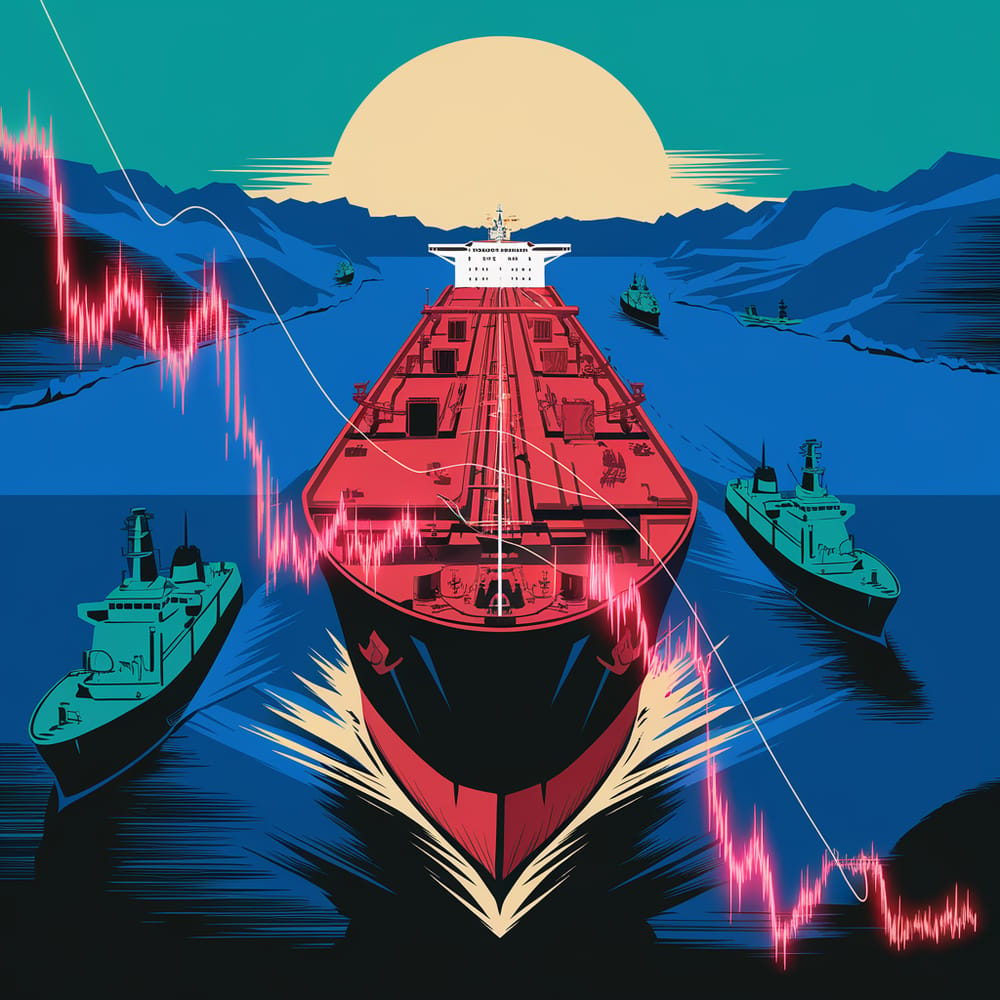
Iran rattled energy markets over the weekend by declaring the Strait of Hormuz shut for the second time this month, even as mediators unveiled a roadmap toward a final peace deal. The result was a wild Monday-morning whipsaw in crude prices that left traders trying to figure out whether the world's most important oil chokepoint is closing down or opening up. For retail investors, the takeaway is simple: the Iran story is far from over, and it still has its hand on the gas pump.
What actually happened
Tehran announced it had closed the Strait again, citing what it called ceasefire violations after continued strikes in southern Lebanon. But the on-the-ground reality was messier than the headline. U.S. Central Command reported that more than 17 million barrels of oil still transited the waterway, even as traffic thinned out. Only 12 ships passed through on Sunday, down from more than 21 the day before, and several inbound tankers went "dark," switching off their transponders to hide their positions.
A peace roadmap, at the same time
In a striking contrast, mediators Qatar and Pakistan said U.S. and Iranian officials had agreed on a roadmap aimed at reaching a final deal within 60 days. Iran's foreign minister, Abbas Araghchi, touted "great progress," pointing to waivers for Iranian oil and petrochemical exports, the lifting of the U.S. naval blockade, and the release of some frozen assets. U.S. Vice President JD Vance arrived in Switzerland for high-level talks to nail down the terms.
Why oil whipsawed
Crude could not decide which storyline to believe. West Texas Intermediate jumped as much as 3% early before fading to around $77.52, just 1% higher on the day. Brent actually turned negative, slipping 0.38% to about $80.26. The closure headline pushed prices up; the peace roadmap pulled them right back down. That tug-of-war is likely to define energy trading all week as technical negotiations continue.
The Trump wildcard
Complicating the optimism, President Trump threatened renewed military action against Iran, raising fresh doubts about how durable the fragile interim agreement really is. Under the existing memorandum of understanding, both sides had pledged to keep Hormuz open toll-free for at least 60 days and to halt hostilities. A single misstep — another strike, another closure — could send crude spiking again.
What it means for your wallet
Roughly a fifth of the world's seaborne oil moves through Hormuz, so even the threat of disruption ripples into gasoline prices, airline costs, and inflation data. If the roadmap holds, energy could keep drifting lower and ease price pressures heading into this week's inflation report. If talks break down, expect crude — and pain at the pump — to climb back in a hurry. For now, the market is betting cautiously on peace, but keeping one finger on the panic button.
This article is for informational and educational purposes only and does not constitute investment advice. Always do your own research and consult a licensed financial professional before making investment decisions.
© Copyright 2024. All Rights Reserved.
© Copyright 2024. All Rights Reserved.