

Inflation Softens in July—CPI and PPI Show Cooling Price Pressures
Monday, August 17, 2026
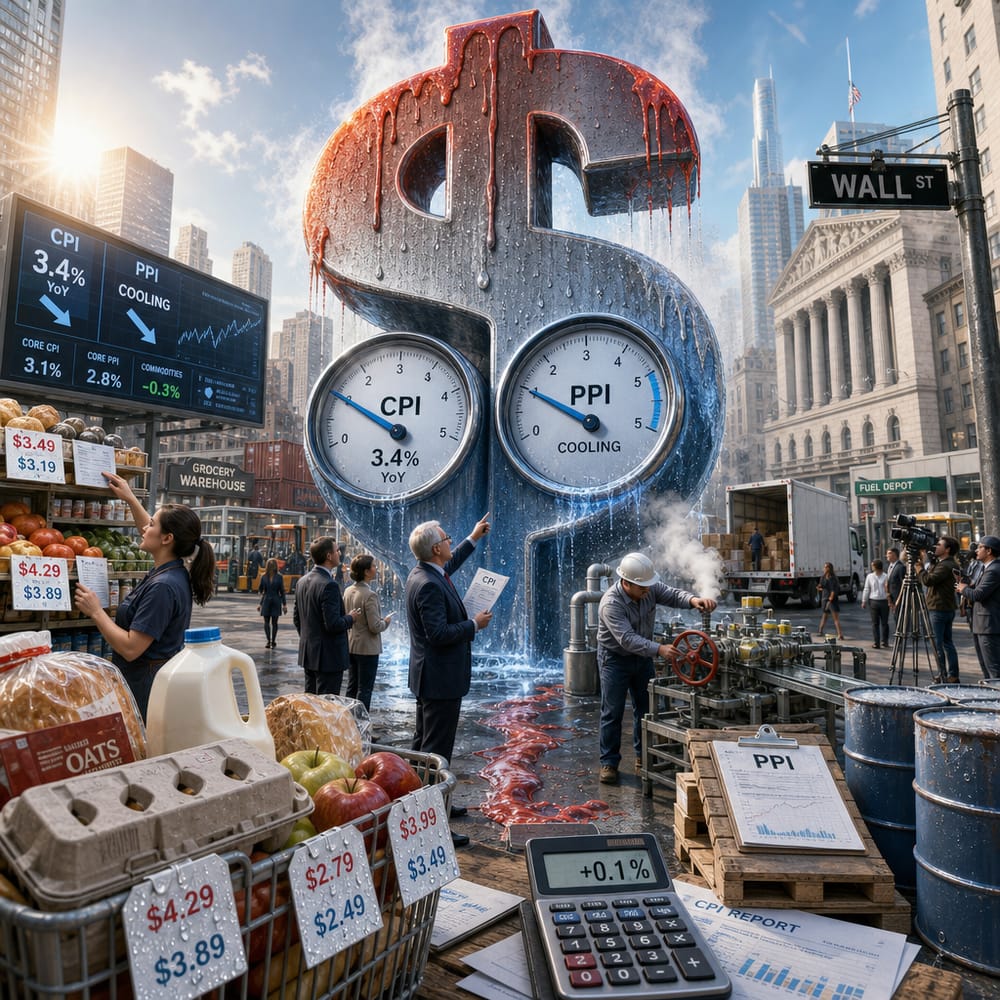
Inflation Takes a Chill Pill: What This Means for Your Wallet and the Fed
Inflation has been that unwanted guest who overstays their welcome at the party. But it looks like, finally, it’s taking the hint and heading for the door. The latest report shows that the Consumer Price Index (CPI), the trusty barometer for measuring inflation, inched up a mere 0.1% in July. Over the year, prices have risen by 3.4%, down from June's pace. A sigh of relief? You bet.
Why is this such big news? Well, picture inflation as a tightrope walker. Too low, and the economy risks falling into stagnation; too high, and it overheats, burning holes in consumers' pockets and making the Federal Reserve nervous enough to stomp on the brakes by raising interest rates. A gentle pace of inflation means the economy gets to keep its balance, and you might see fewer rate hikes on the horizon.
For the Federal Reserve, which has been wielding its rate-hiking hammer like Thor on a caffeine binge, the cooling inflation is like a much-needed decaf. It could mean they’re less likely to raise interest rates aggressively in the coming months. Why does that matter? Because when the Fed raises rates, borrowing costs for everything from mortgages to credit cards tend to go up. With inflation cooling, there’s less pressure to hike those rates and suck more money out of the economy.
Imagine the Fed as a cautious driver navigating a winding road. Steep inflation means slamming on the brakes, while a smoother path lets them ease up on the gas. It’s all about keeping the ride steady. With current inflation data resembling more of a gentle slope than a cliff, some market watchers are betting the Fed might just tap the brake pedal a little lighter than before.
But hold your horses before popping the champagne. While the CPI sits up front hogging the spotlight, its less glamorous cousin, the Producer Price Index (PPI), is still lurking in the background. The PPI, which measures wholesale prices, is like the sneak preview for what's coming to a consumer price tag near you. A stable PPI suggests that price pressures aren’t building up behind the scenes.
So, what’s the play for market reactions? Wall Street might be feeling optimistic, with traders potentially pricing in a more dovish (read: less aggressive) Fed. Investors could rally around stocks, particularly those in interest-rate sensitive sectors like tech and real estate, which tend to thrive when borrowing costs are lower. In short, if the Fed chills out, stocks could heat up.
However, keep your eyes peeled and your ears open. The Fed is like that poker player with a killer face—you never really know what they might do next. Even if inflation is cooling, any surprise upticks in future data could have the Fed reaching for its trusty rate-raising playbook again. Or geopolitical tensions, like those causing oil prices to wobble, could throw a wrench in the works and push inflation back to the hot seat.
Ultimately, cooling inflation might just be the story of the summer. It’s a game-changer for the Fed’s interest rate narrative and offers a glimmer of hope for those weary of sky-high borrowing costs. For the everyday investor, it’s a sign to stay nimble. Keep an eye on the data, watch the Fed’s next move, and adjust your strategy accordingly. The road ahead might be less bumpy, but as always, it's wise to keep your seatbelt fastened.
This article is for informational purposes only and is not investment advice. Always do your own research or consult a licensed financial professional before making investment decisions.
© Copyright 2024. All Rights Reserved.
© Copyright 2024. All Rights Reserved.