

Hormuz Heat: Strait of Hormuz Attacks Push Oil and Risk Aversion
Wednesday, July 08, 2026
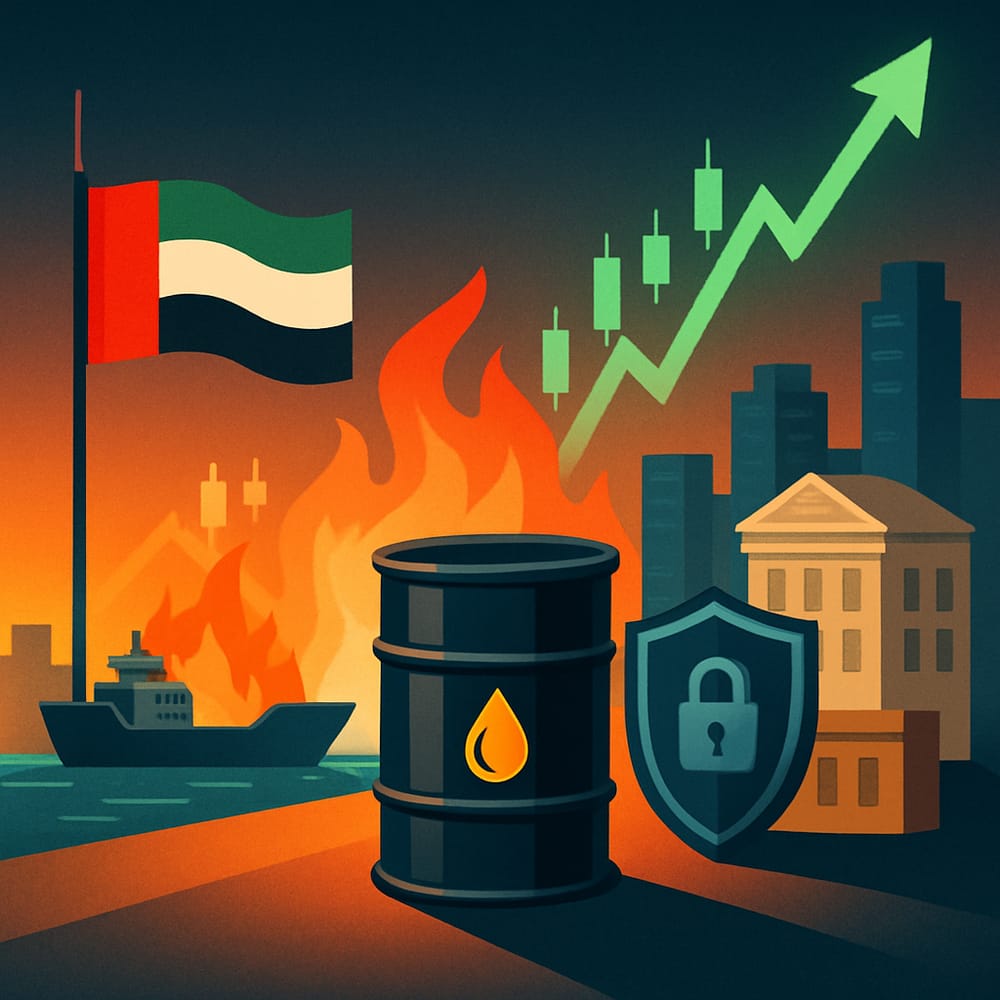
STRAIT TALK: TENSIONS IN THE HORMUZ THREATEN OIL AND YOUR PORTFOLIO
Who would have thought a narrow stretch of water could send shockwaves through the global markets? Well, strap in because the Strait of Hormuz is doing just that. This week, tension in this vital maritime artery has investors clutching their wallets as oil prices tick upwards and geopolitical uncertainty looms like an ominous cloud.
Let’s dive into the murky waters that are causing this market ripple. Just days ago, news broke out about an Iranian attack on commercial ships traversing the Strait of Hormuz. If you’re thinking, “Not again,” you’re not wrong. This isn't the Middle East’s first rodeo when it comes to maritime hostility, and it's unlikely to be the last. According to reports, Iran fired at least two missiles at these ships, causing significant damage but—thankfully—no casualties. Even though these attacks haven’t turned catastrophic, they’re enough to make oil traders sweat.
Now, why does this matter? The Strait of Hormuz is the Beyoncé of oil trade routes: it handles about 20% of the world’s oil traffic. Any hiccup here, and the energy markets start dancing to a different tune. After the attack, oil prices edged higher, with Brent crude futures moving up by 50 cents to stand at $72.49 per barrel. If you're rolling your eyes thinking it’s just 50 cents, remember: in the oil market, small moves can be big deals.
But it's not just oil traders on edge. The markets have a notorious distaste for geopolitical drama, and this latest episode is no exception. Investors, already skittish from a shaky tech sector, are now sniffing around defense and gas stocks for a safer bet. Think of them like market bunkers—when the world wobbles, these areas often see a spike as investors flock to safety.
However, the Strait of Hormuz attacks don't stand alone in the drama. They come at a time when global politics is like a twisted episode of a reality TV show. President Trump is busy at a NATO summit in Turkey, while Ukraine is flexing its muscles after a drone attack on Russia’s largest oil refinery. All this while the world watches the U.S. and Iran, who are somewhere between a peace agreement and a new conflict. If that's not enough to make you reach for the Advil, I don’t know what is.
So what does this mean for you, the retail investor? Well, for starters, buckle up because increased market volatility is almost guaranteed. Geopolitical risk often leads to market jitters, and right now, the Middle East is serving up a buffet of uncertainty. This is a good time to reassess your portfolio exposure to energy stocks, defense sectors, and global supply chains. Remember, the market rewards those who stay vigilant and adapt to changing tides.
So what’s next? Well, that’s the $64,000 question. Geopolitical analysts are keeping a close eye on any potential escalation. The U.S. and Iran are still negotiating, but the fragility of their interim peace agreement is being tested. The hope is that cooler heads prevail, but hope isn’t always a great investment strategy. Keep an eye out for any further developments, as they could have a cascading impact across various sectors.
And while all this plays out, remember: the market may be unpredictable, but your approach doesn't have to be. Stay informed, keep your investments diversified, and don’t let the headlines decide your financial destiny. After all, in the world of investing, knowledge is indeed power, and it might just save your portfolio from the whims of geopolitics.
In the meantime, let's hope the Strait of Hormuz doesn’t become the Strait of Endless Woes. But if it does, you’ll be ready—not just to weather the storm but to navigate it like a pro.
This article is for informational purposes only and is not investment advice. Always do your own research or consult a licensed financial professional before making investment decisions.
© Copyright 2024. All Rights Reserved.
© Copyright 2024. All Rights Reserved.