

"Higher for Longer" Just Got Real — Here's What It Does to Your Wallet
Wednesday, June 24, 2026
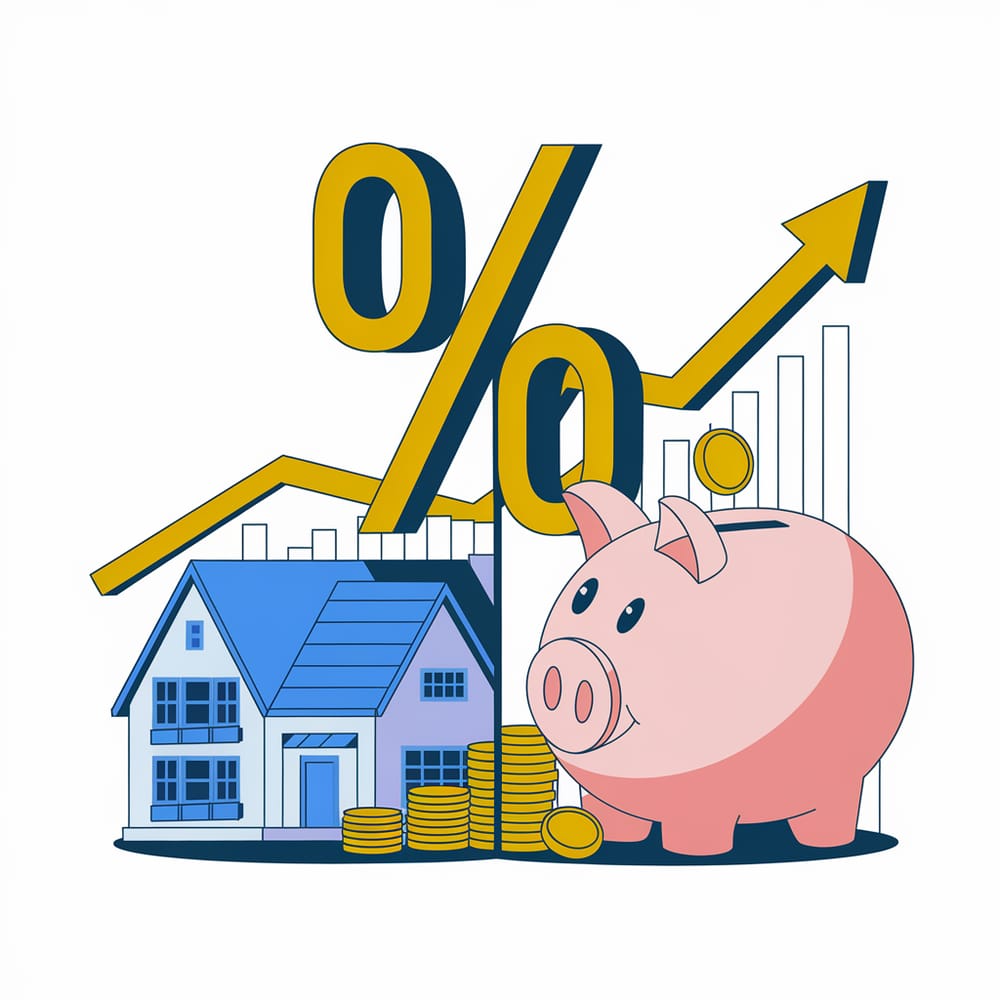
"Higher for longer" used to be a phrase economists muttered on cable TV. After last week's Fed meeting, it's the reality you're living in. With officials now hinting at possible rate hikes rather than cuts in 2026, it's worth cutting through the jargon and asking the only question that matters: what does this actually do to your money?
Your Mortgage Stays Expensive
If you've been waiting for rates to drop before buying a home or refinancing, the Fed just told you to settle in. Mortgage rates track expectations for where the Fed is headed, and those expectations just moved up. The "marry the house, date the rate" crowd may be dating a lot longer than they hoped. For now, locking in and budgeting around today's rates is more realistic than betting on relief.
Your Savings Are Finally Working
Here's the good news nobody talks about: high rates are a gift to savers. High-yield savings accounts, CDs, and money-market funds are still paying yields that would have been unthinkable a few years ago. If your cash is sitting in a checking account earning nothing, you're leaving real money on the table. A higher-for-longer Fed means those juicy yields stick around.
Your Credit Card Debt Gets Meaner
The flip side of attractive savings yields is brutal borrowing costs. Credit card APRs are tied to the same rate environment, and they're not coming down. If you're carrying a balance, that debt is quietly compounding against you faster than almost any investment can grow. Paying it down is, mathematically, one of the best "returns" available right now.
Your Portfolio Needs a Rethink
Higher rates reshape the stock market's pecking order. Profitless, story-driven growth names — the kind that need cheap money to fund their dreams — tend to struggle. Meanwhile, profitable companies with real cash flow, dividend payers, and value stocks often hold up better. Bonds also become genuinely competitive again; you can earn a respectable yield without taking equity risk.
The Bottom Line
Higher for longer isn't automatically bad news — it's just a different game. It rewards savers, punishes borrowers, and demands more discipline from investors. The people who get hurt are the ones still playing by the low-rate playbook of 2021. The next signpost comes Thursday with the May inflation report, but the broader message is already clear: build your plan around rates staying high, not around a rescue that may never come.
This article is for informational purposes only and is not investment advice. Always do your own research or consult a licensed financial professional before making investment decisions.
© Copyright 2024. All Rights Reserved.
© Copyright 2024. All Rights Reserved.