

Hawkish Federal Reserve Voices Push for Continued Tightening
Tuesday, October 13, 2026
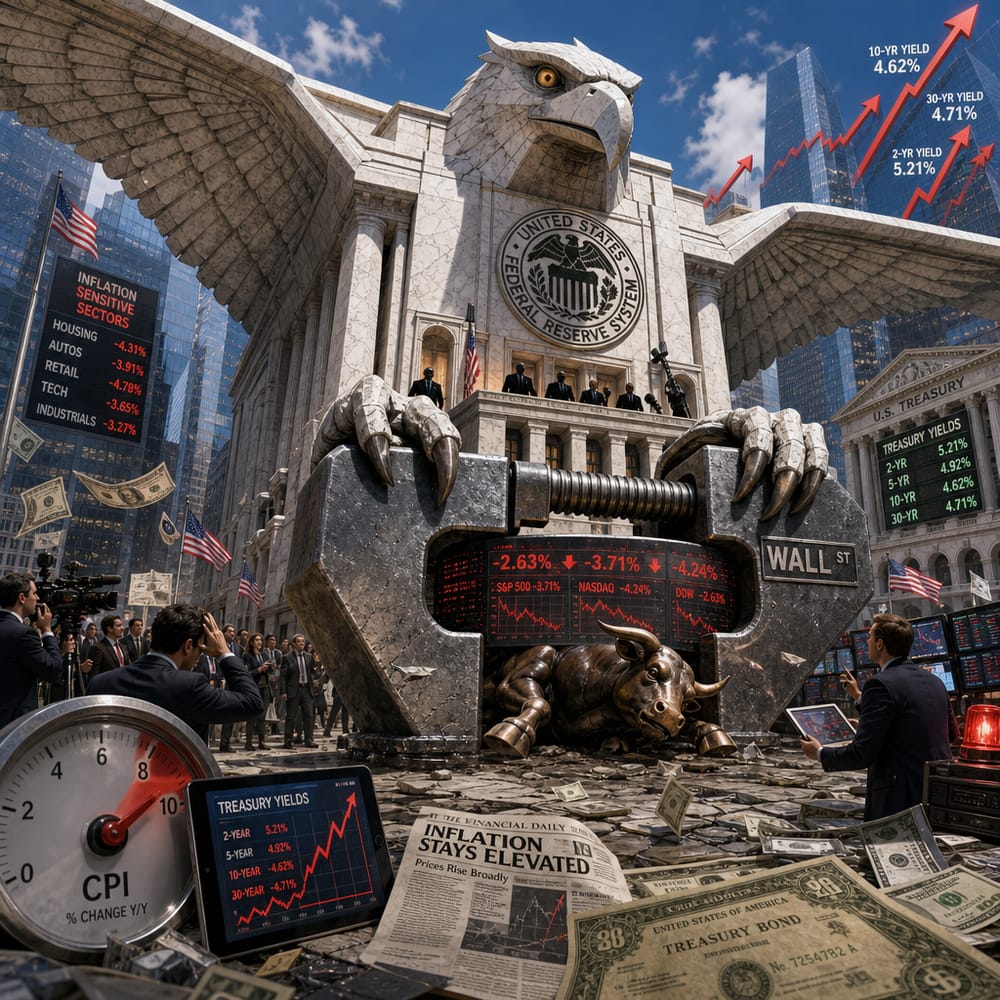
THE FED'S HAWKISH TONE: IS YOUR WALLET READY FOR THE FALLOUT?
Hold on to your hats and your wallets, folks, because the Federal Reserve is sending some chill-inducing signals that could make your finances feel the breeze. If you thought the Fed was done with its interest rate hikes, think again. With inflation still lurking around like an unwanted houseguest, key members of the Fed are chirping a distinctly hawkish tune—hinting that more monetary tightening could be on the horizon. What does this mean for you, besides fewer impulse buys and maybe a canceled vacation? Let's dive in.
WHY THE FED'S TALKING TOUGH
First, the basics. The Federal Reserve, that enigmatic body deciding the fate of your loans and savings accounts, uses interest rates as a lever to control inflation and stabilize the economy. Recently, inflation’s been acting like that nosy neighbor who just won't leave. In other words, it's stubborn, persisting at levels higher than anyone wants. Fed officials, like Boston Fed President Susan Collins, have been vocal that the fight against inflation isn't over. Collins recently hinted that interest rates will likely need another nudge upwards before we say goodbye to 2026.
What does the Fed have against inflation? Well, unchecked inflation erodes your purchasing power—think bread costing $5 one day and $7 the next—not fun. By raising interest rates, the Fed makes borrowing more expensive, cooling down consumer spending and business investments. Theoretically, this should help rein in inflation. But in practice, it's a delicate balance, like walking a tightrope in high winds.
THE RIPPLE EFFECT ON THE ECONOMY
So, what happens if the Fed continues its hawkish path? Let's start with consumer spending and borrowing: Prepare for a slowdown. Higher interest rates mean you'll pay more for mortgages, car loans, and credit card debts. It's like the universe is telling you to save instead of splurge.
For those looking to buy a house, brace yourself. The dream of owning a white picket fence might get pricier as mortgage rates climb. This effect can ripple through the economy, slowing down the housing market—a major driver of economic activity. And when people tighten their belts, it can pull the brakes on overall economic growth.
SECTORS IN THE HOT SEAT
Not all sectors are created equal when it comes to interest rate hikes. Inflation-sensitive sectors—think technology and consumer discretionary (non-essential goods and services)—might feel the squeeze the hardest. Tech companies, which often rely on borrowed funds for growth, could see their expansion plans become more expensive. And sectors that rely on people splurging on new gadgets, vacations, or fancy dinners might see consumer spending slow down as folks get cautious with their cash.
On the flip side, some sectors have the chops to thrive in tougher times. Utilities and consumer staples (think food and household goods) often hold up well because, recession or not, people need electricity and toilet paper.
KEEP AN EYE ON TREASURY YIELDS
If you're savvy with bonds—or are just curious—keep a close eye on Treasury yields. As interest rates rise, so do these yields, often seen as the foundation of all other interest rates. They can impact everything from your savings account interest to the stock market's performance. When these yields go up, they can make safe-haven bonds more attractive compared to riskier investments like stocks, causing a shift in market dynamics.
THE BOTTOM LINE
In this high-stakes game of economic chess, the Fed holds some powerful pieces. Its hawkish tone suggests that it’s not ready to declare victory over inflation just yet. For everyday investors, understanding these moves can help you strategize your financial future. Whether you’re considering the right time to buy a house, how much to save, or which stocks to invest in, the Fed’s signals should be on your radar.
So, stay alert, keep a close watch on those Fed announcements, and maybe hold off on buying that fifth pair of sneakers. Your financial health might thank you later.
In this economic climate, the only certainty is change. And while the Fed’s hawkish words can sound daunting, staying informed and prepared can help you navigate through the potential turbulence ahead. After all, forewarned is forearmed, especially when it comes to protecting your hard-earned dollars.
This article is for informational purposes only and is not investment advice. Always do your own research or consult a licensed financial professional before making investment decisions.
© Copyright 2024. All Rights Reserved.
© Copyright 2024. All Rights Reserved.