

Greed Returns—but Does Risk Appetite Match the Sentiment? Markets Tread Carefully Into Week Ahead.
Monday, August 24, 2026
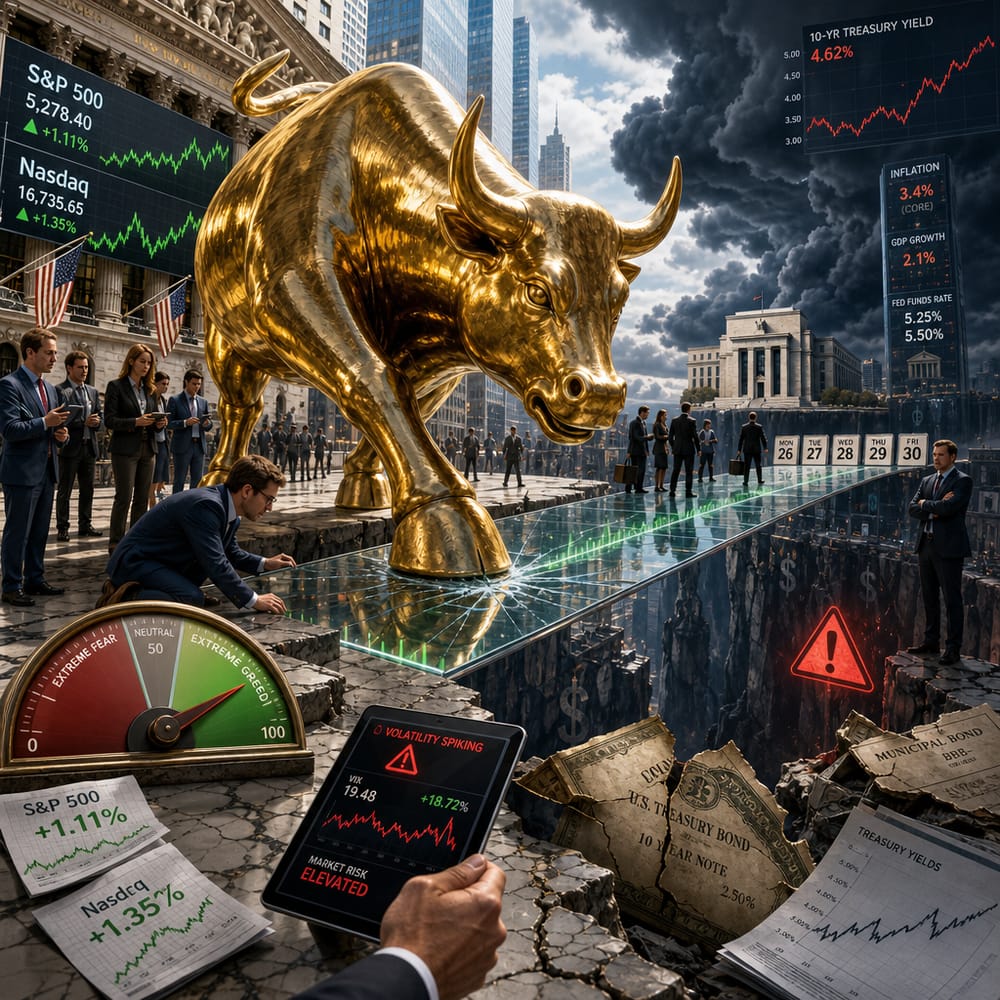
The stock market is a little like a high school reunion: full of optimism and old fears lurking beneath the surface. As investors prepare to navigate the weeks ahead, one sentiment is becoming clear—it's a 'Greed' fest in the equities playground. According to the latest readings from the Fear & Greed Index, investors are leaning hard into their adventurous side. But before you rush to follow suit, let's pause for a reality check: are the fundamentals playing wingman to this sentiment, or are we all just diving headfirst into a glittering pool of risk?
The Fear & Greed Index, for those new to the party, is like the mood ring of the stock market. It gauges investor sentiment using factors like market momentum, stock price strength, and junk bond demand. When the needle swings toward 'Greed,' investors are bullish, ready to throw cash at stocks like they're Oprah giving away cars. But just because we're feeling the greed, does that mean our bet is a safe one?
First things first: how reliable is this index really? Historically, it's been a decent early warning system for extremes. When it edges too far into either Fear or Greed, market corrections tend to follow. But remember, it's more of a mood indicator than a crystal ball. Use it as a compass to understand the current vibe, not as a GPS for your portfolio.
And what storm clouds could rain on this parade of positivity? Let's start with macro uncertainties. President Trump's recent tariff tirade against Canada is a plot twist no one wanted. Doubling tariffs on Canadian auto imports to 50% is not just a potential blow to international trade; it could ripple through U.S. markets, impacting sectors far beyond automobiles. Any trade skirmish can skew global economic stability, causing investors to rethink their risk appetite.
Then there's the bond market, the grumpy old man in the corner who has seen it all. Treasury Secretary Scott Bessent's attempts to cap rising yields are, frankly, not convincing many. The prediction markets aren't buying what he's selling, with speculators doubting these interventions will significantly lower yields. With the 10-year Treasury note yield hovering around 4.70%, rising yields can make bonds more attractive compared to stocks, pulling some cash off the table.
So, how should the everyday investor navigate these choppy waters? The key is balance. Don't let the 'Greed' frenzy fuel impulsive decisions. Instead, take a page from the Goldilocks playbook—find what's just right. Consider diversifying portfolios with defensive stocks or bonds to hedge against potential volatility. Keep an eye on sectors that might weather tariff storms better—tech and biotech might still have some resilience left in them.
And let's not forget the AI wave. Nvidia's latest moves signal that artificial intelligence remains a hot ticket. Even if the glitter fades, the long-term value creation in AI is just getting started. Whether it's through direct investments in AI companies or ETFs that give you exposure without the single-stock risk, it’s worth considering as part of a diversified portfolio.
For those who love a good comeback story, keep an eye on regions and sectors primed for a turnaround. Biotech has been showing signs of life, and with healthcare always a necessity, it might be a sector to watch. But tread carefully with tech stocks—while they're buzzing with AI energy, remember that high valuations bring high expectations, and the slightest stumble can send stocks tumbling.
In summary, while the Fear & Greed Index has pegged us at 'Greed' territory, it's crucial to dig deeper. Consider macro factors like tariffs and bond yields which could challenge the sunny outlook. Stay diversified to brace for volatility, and keep a semblance of caution amidst the bullish sentiment. In the end, a balanced approach will see you through whatever twists the market decides to throw your way.
So go ahead, embrace the optimism—but like any good party, leave before it gets messy.
This article is for informational purposes only and is not investment advice. Always do your own research or consult a licensed financial professional before making investment decisions.
© Copyright 2024. All Rights Reserved.
© Copyright 2024. All Rights Reserved.