

Gold vs. Oil: Commodity Trade-Offs in Q3 Playbook
Wednesday, July 01, 2026
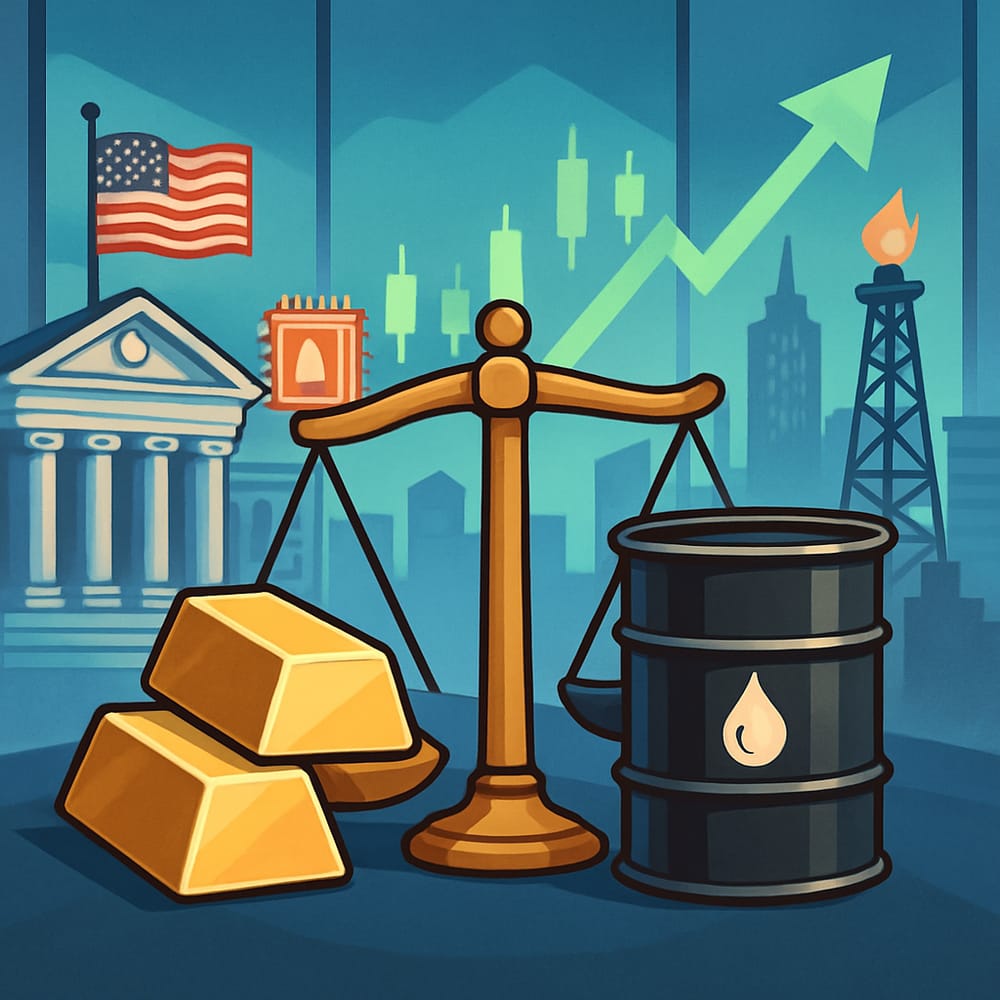
GOLD VS. OIL: COMMODITY TRADE-OFFS IN Q3 PLAYBOOK
Ever feel like the global economy is stuck on a seesaw, bobbing between gold and oil? Well, if you’ve been watching the markets, you’d know that gold and oil have been playing the classic roles of hedger and hero amidst our latest economic dramas. With inflation hotter than a jalapeno on a summer grill and geopolitical tensions adding their own spice, investors are left with a million-dollar question: Between gold and oil, which is the better bet for the second half of 2026?
Let’s start with gold, the glittery darling of those who like their investments with a side of shine. Gold has historically been the go-to haven in stormy economic seas. Why? Simply because it’s like the reliable friend you can call when you need to move a sofa. It doesn’t yield regular income like bonds or stocks, but when inflation is knocking at the door like an uninvited guest, gold has been known to hold its ground. It’s the asset you want when you’re convinced the dollar is about to pull a Houdini and vanish into thin air.
But not all that glitters is gold. This precious metal’s charm doesn’t come without a catch. Those high prices can be stubbornly resistant to change, and when central banks start hinting at interest rate hikes—like our friend Kevin Warsh, the new Fed Chair, cryptically did—you might see gold’s allure dim faster than a candle in a hurricane. Higher interest rates can make holding gold less attractive since it doesn’t offer yields or dividends. Warsh’s vague comments on inflation being "too high" could mean tightening monetary policies in the near future, which may cap gold’s upward momentum.
Flipping the coin, let’s talk oil. Ah, black gold. The energy sector’s main squeeze. Despite its occasional tantrums and roller-coaster pricing, it remains a cornerstone of global trade. Oil is not just a commodity; it’s an economic barometer. When economies roar back to life post-pandemic, oil demand surges, driving prices up. Bingo for those holding oil futures! But wait—there's more. Factor in geopolitical shenanigans, and you've got an oil market that’s more volatile than a soap opera plot twist.
One of the big themes this year is the geopolitics swirling around oil. Whether it’s a spat in the Middle East or production adjustments by OPEC+, the oil market is prone to whiplash. This inherent volatility is both a blessing and a curse. If you’re a thrill-seeker, these price swings could be your playground. But, if you’re risk-averse, you might want to wear a helmet.
So, what’s the macro backdrop here? With inflation sizzling, many investors are hedging their bets with commodities, hoping to escape the devaluation of cash. But the winds are shifting. Central banks, like our own Fed, are considering dialing back the economic party punch that is low interest rates. If they do, it might cool off economic expansion, leading to softer oil demand.
On the flip side, looking at energy, there's a booming interest in energy ETFs. Why? Simply put, they offer diversified exposure to oil producers without tying you to the mast of a single oil ship—introducing less risk, more reward.
Now, if you’re wondering whether to pour your investment dollars into the glittery vaults of gold miners or ride the wave with oil producers, consider this: If inflation continues its upward march and interest rates remain at bay, gold could gleam brighter. Alternatively, if economic growth persists and geopolitical factors remain favorable, oil might just gush profits.
In sum, the choice between gold and oil is as much about your risk appetite as it is about reading the economic tea leaves. Do you go with the defensive shine of gold or the potentially explosive gains of oil? You might find that having a foot in both camps could hedge your bets better than picking one over the other.
So, retail investors, choose your commodity hero wisely, and remember: While the market may be unpredictable, a well-informed strategy is your best ally. Time to suit up and see where the second half of 2026 takes us.
This article is for informational purposes only and is not investment advice. Always do your own research or consult a licensed financial professional before making investment decisions.
© Copyright 2024. All Rights Reserved.
© Copyright 2024. All Rights Reserved.