

Geopolitical Tensions and Oil Volatility Shake Markets
Thursday, August 13, 2026
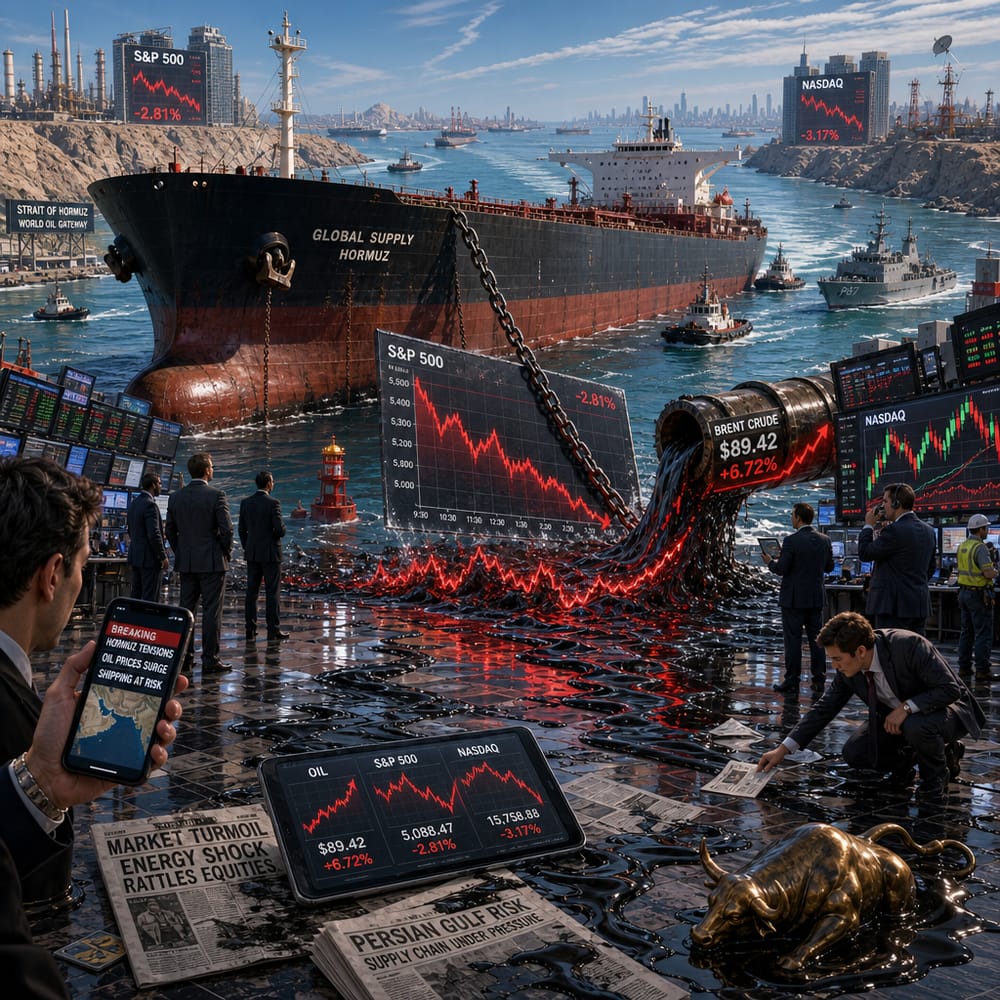
The Strait of Hormuz is hotter than your favorite celebrity’s Instagram feed right now — and it's not just the desert sun causing the heat. This narrow yet mighty waterway, where around 20% of the world's petroleum passes through, is a geopolitical hotbed, and every ripple in its waters seems to send shockwaves through oil markets, leading to unpredictable volatility. If you thought Wall Street had its fair share of drama, oil traders would like a word.
So, what's stirring the pot in the Strait of Hormuz this time? Recent flare-ups have seen attacks on tankers and energy infrastructure that have reignited concerns over potential supply disruptions. It’s these kinds of geopolitical spats that remind us just how sensitive our global oil supply chains can be. The mere threat of a blockade or skirmish can send oil prices shooting up faster than you can say "get hedge funds on the line."
The impact on the market? It’s a rollercoaster. Oil prices have been bouncing around, making traders feel like they're in a game of whack-a-mole trying to hit on stable investments. The S&P 500 and Nasdaq seem to be enjoying a bit of a party, hitting record highs recently, but don’t get too comfortable. The underlying tension from those geopolitical uncertainties could shake things up if the situation doesn't cool down.
For investors, this volatility is as welcome as a wasp at a picnic. You’ve got to wonder: How do you navigate these choppy waters without losing your lunch? The key, dear readers, is diversification. In times like these, it's all about spreading your bets. Having a portfolio that's not overly reliant on one sector or commodity can be as soothing as a double-scoop of mint chocolate chip on a hot day.
Consider hedging your exposure to oil volatility. This means balancing your portfolio with investments in sectors that aren't as exposed to these fluctuations. Technology and communication services sectors have been the darlings of the market lately, demonstrating resilience with strong corporate earnings, and might just be the safer bets you’re looking for.
But wait, don't count oil out just yet. While it gives investors sleepless nights, these tensions present opportunities too. Certain sectors tend to thrive in the chaos. Think defense stocks and alternative energy companies. When oil prices teeter, governments and companies alike start to think more about energy independence, often leading to increased investments in alternative energy sources. And what about defense companies that supply the tech and gear for protecting these crucial supplies? Their business is, unfortunately, booming whenever geopolitical tensions rise.
Now, let's talk strategy. What can the retail investor do to keep their head above water amidst all this market turbulence? Well, buckle up and focus on the long-term trends. Trying to time the market is like trying to predict the next plot twist in your favorite soap opera—nearly impossible and often leaves you scratching your head. Focus on fundamentally strong companies that you believe will grow over time, regardless of the geopolitical noise.
Lastly, stay informed but keep your cool. News about the Strait of Hormuz can cause immediate panic, but remember, markets tend to overreact in the short term. Sometimes, the best thing you can do is nothing at all. Stick to your strategy and avoid knee-jerk reactions. Think of it as the financial version of "keep calm and carry on."
In the end, while the Strait of Hormuz may continue to set oil markets on edge, savvy investors know that volatility can also be a friend, opening up opportunities for those who are well-prepared. So arm yourself with knowledge, diversify like a pro, and navigate the market like the savvy investor you are.
This article is for informational purposes only and is not investment advice. Always do your own research or consult a licensed financial professional before making investment decisions.
© Copyright 2024. All Rights Reserved.
© Copyright 2024. All Rights Reserved.