

Futures Positioning: USD Longs Remain Stretched, Yen Shorts Unwind
Monday, August 17, 2026
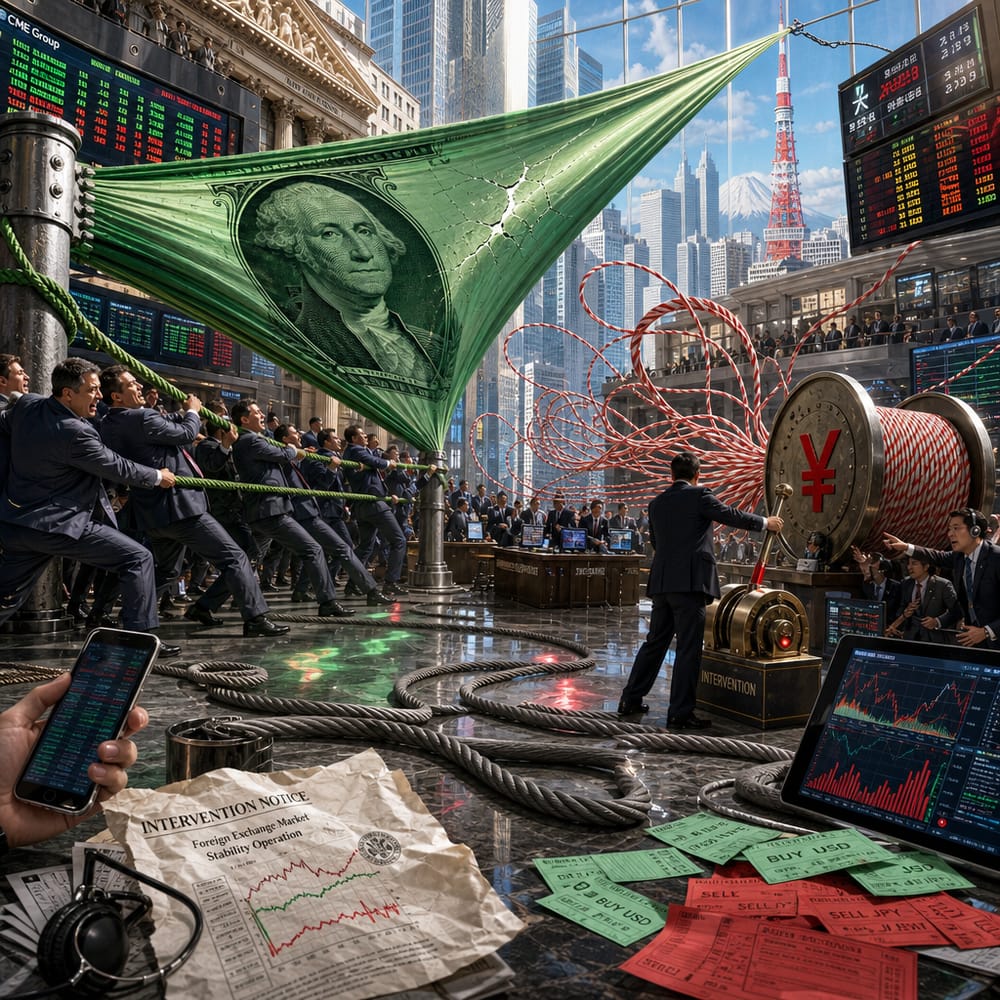
The world of currency markets is a bit like a gourmet kitchen, where chefs whip up delicacies with a dash of speculation, a sprinkle of risk, and a whole lot of timing. Right now, the USD is the beef wellington of this menu, with traders gobbling up long positions like it’s the last meal on earth. But hold onto your aprons—because on the flip side, yen shorts are being sent back to the kitchen, signaling a change in the gustatory winds.
So, what does this all mean? Think of futures positioning as a sneak peek into the minds of market participants—their hopes, fears, and a hint of what's cooking in their trading strategies. The latest data from the Commodity Futures Trading Commission (CFTC) shows that the U.S. dollar is the star of the show with traders piling on long positions. But why the long face for the yen? Let’s dig in.
MARKET SENTIMENT AND THE DOLLAR DELIRIUM
The Greenback's popularity might suggest that investors see it as a safe haven amid global economic uncertainties. It’s the nostalgia of your grandma's apple pie during wobbly times—comforting, reliable, and rarely disappointing. With geopolitical tensions simmering and inflation whispers fluttering through the air like a persistent fly, traders are holding onto the USD like it’s golden.
Right now, the market sentiment is heavily tilted towards a strong dollar, driven by the U.S. economic resilience—think low unemployment and robust consumer spending. But here's the twist: holding onto these USD positions could be playing with fire. If the Federal Reserve decides to pivot from its hawkish stance, those long positions might just get crispy.
UNWINDING YEN SHORTS: THE RISING SUN OR A RED FLAG?
On the other side of the sushi platter, we see traders unwinding their shorts on the Japanese yen. What gives? Recent interventions by Japan to prop up its currency seem to be working—or at least scaring traders away from betting against it. Tokyo has been flexing its muscles to prevent the yen from turning into a bowl of lukewarm miso soup, and it’s catching the market’s attention.
Unwinding shorts could indicate that traders expect the yen to gain some strength or that the risk of holding these positions no longer makes sense. Remember, in the high-stakes game of currency trading, sentiment shifts faster than a TikTok dance trend.
FUTURE CURRENCY MOVES: WHAT'S ON THE HORIZON?
So, where does this leave us on the currency frontier? Long positions on the USD could keep the dollar buoyant, reinforcing its supremacy in the international market. But beware, dear traders, the mighty dollar could falter if the Fed softens its stance on interest rates or if geopolitical tensions take an unexpected turn.
Meanwhile, the yen's liberation from heavy short positions could mean it’s poised for a comeback. If Japan continues to intervene successfully, or if global risk sentiment improves, we might see the yen regaining strength. Traders looking for a contrarian play might keep a close eye on any signs of a yen rally.
THE RISKS OF STICKING WITH A LONG USD POSITION
Holding long on the USD might feel like a winning bet right now, but remember, currency markets are fickle. A shift in U.S. monetary policy, or a downturn in economic indicators, could send the dollar tumbling. And let's not forget the geopolitical wildcards—just a whisper of conflict resolution could prompt a dollar sell-off as traders hunt for riskier, higher-yielding assets.
In essence, holding onto long USD positions is like savoring spicy food—thrilling and satisfying, but with the ever-present risk of heartburn.
So, dear investor, as you scroll through your feeds and sip your morning coffee, remember that in the world of currency futures, nothing is ever fixed. It’s all about playing the odds, reading the room, and knowing when to hold 'em or fold 'em. Stay sharp, stay curious, and keep that trading hat on—it’s a wild ride out there.
This article is for informational purposes only and is not investment advice. Always do your own research or consult a licensed financial professional before making investment decisions.
© Copyright 2024. All Rights Reserved.
© Copyright 2024. All Rights Reserved.