

From Euphoria to Caution: How Rising Oil and Yields Slowed the S&P 500’s Winning Streak
Tuesday, August 18, 2026
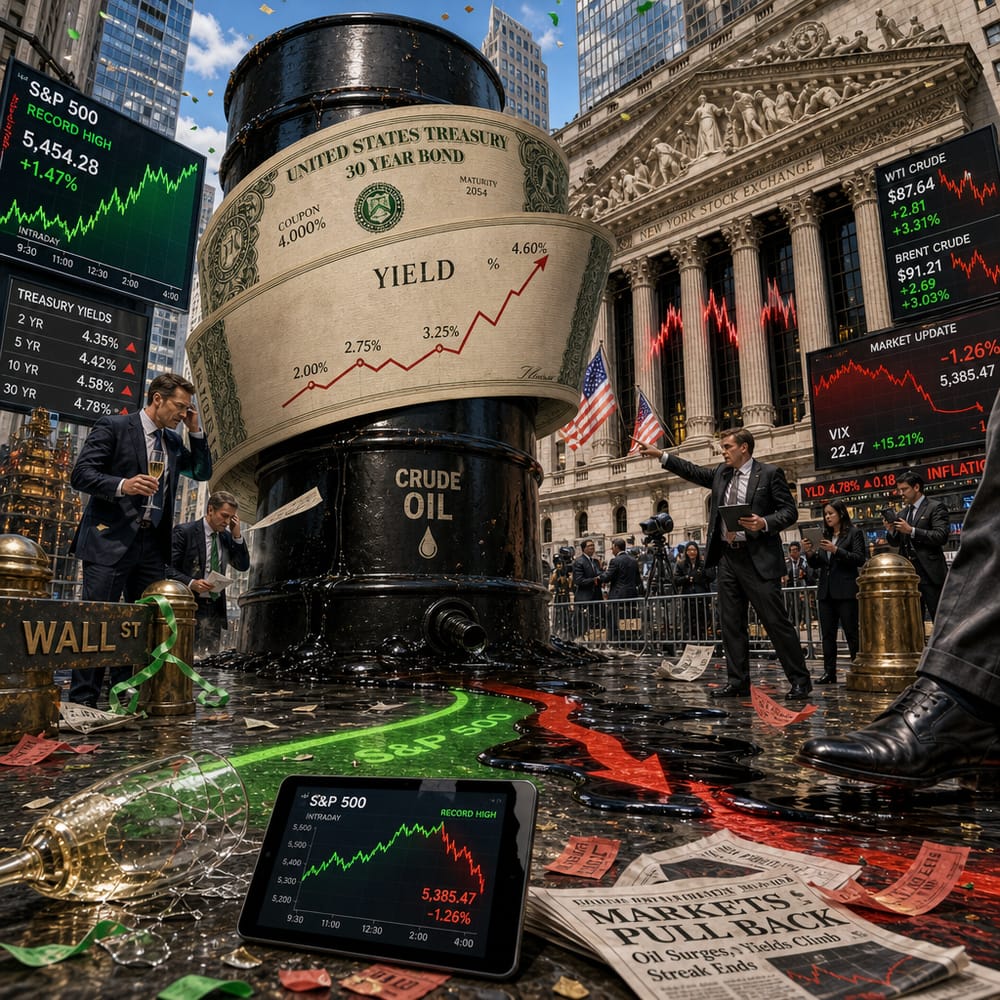
Buckle up, folks, because the S&P 500's rollercoaster has just hit a nerve-wracking dip. What was shaping up to be a record-breaking year for the index has taken a pause, thanks to a dynamic duo that investors love to hate: rising oil prices and climbing Treasury yields. So, what’s the deal, and why should you care? Let’s break it all down.
Imagine sipping your morning coffee, scrolling through your stock app, and seeing those red numbers flash across your screen. You groan, check the headlines, and there it is—the dreaded economic cocktail shaking up Wall Street. Rising oil prices and Treasury yields have reignited fears of inflation like a match to a powder keg.
But why does oil, that slippery, black gold, have such a sway on inflation expectations? Well, in the world of economics, oil is king. It powers everything from the car you drive to the lights you switch on, and when its price climbs, the cost of living often follows. Higher oil prices mean higher transportation and production costs, which can trickle down to the price of goods—basically everything from your grocery haul to your Amazon spree. And when prices go up, consumers and businesses start sweating about inflation.
Now, onto the other villain in our story: Treasury yields. You might be thinking, "What do government bonds have to do with my stock portfolio?" More than you might expect. Treasury yields—essentially the interest the government pays to bondholders—are the bedrock of the financial system. When yields rise, borrowing costs for everything from homes to businesses follow suit. Higher yields mean more expensive mortgages and pricier business loans, which can squeeze consumers and companies alike.
Here's the kicker: when Treasury yields go up, they often make bonds more attractive compared to stocks. Why risk your cash in volatile markets when you can earn a safe return from Uncle Sam? This shift can lead to a sell-off in equities, which we're seeing right now as the yields on 30-year Treasuries hit a 19-year high.
So, where does this leave the S&P 500? Stuck in a bit of a pickle, frankly. Investors are skittish, and who can blame them? When inflation rears its ugly head, the Federal Reserve might step in with its trusty tool—raising interest rates. And higher rates can cool down economic growth, which isn’t exactly the best news for stocks.
Yet, it's not all doom and gloom. We’ve been here before, and markets love to ebb and flow. The real question is, what happens next? Should we brace for a rough ride, or is there a silver lining?
While rising oil prices and Treasury yields are giving investors pause, sectors like technology and healthcare might just weather the storm. Companies with strong fundamentals and those less reliant on borrowing could emerge unscathed, or even thrive. Plus, savvy investors know that such pullbacks can offer ripe opportunities to snap up quality stocks at a bargain.
However, it isn't just about corporations and stock prices. This economic shift has broader implications, impacting everything from the housing market to consumer spending habits. Home Depot's latest results, for example, reflect a "frozen housing market," with consumers hesitating on big spends. It's a microcosm of the caution pervading the market.
And while everyone’s talking about Nvidia's AI push or Brunswick’s tech bets to boost boat sales, the underlying currents of oil and yields are what really steer this ship. They serve as a stark reminder of just how interconnected everything is—from geopolitical tensions in the Middle East affecting oil to fiscal concerns in the U.S. shifting yields.
So, what's the takeaway here? Stay informed, stay flexible, and keep an eye on the big picture. Markets may wobble, but they also recover. For the everyday investor, this is a moment to assess, diversify, and maybe—just maybe—play a little smart defense. After all, in the face of rising oil and yields, a little caution can go a long way.
This article is for informational purposes only and is not investment advice. Always do your own research or consult a licensed financial professional before making investment decisions.
© Copyright 2024. All Rights Reserved.
© Copyright 2024. All Rights Reserved.