

Ford Rehires Engineers—Human Still Beats AI on Some Quality Fronts
Thursday, July 02, 2026
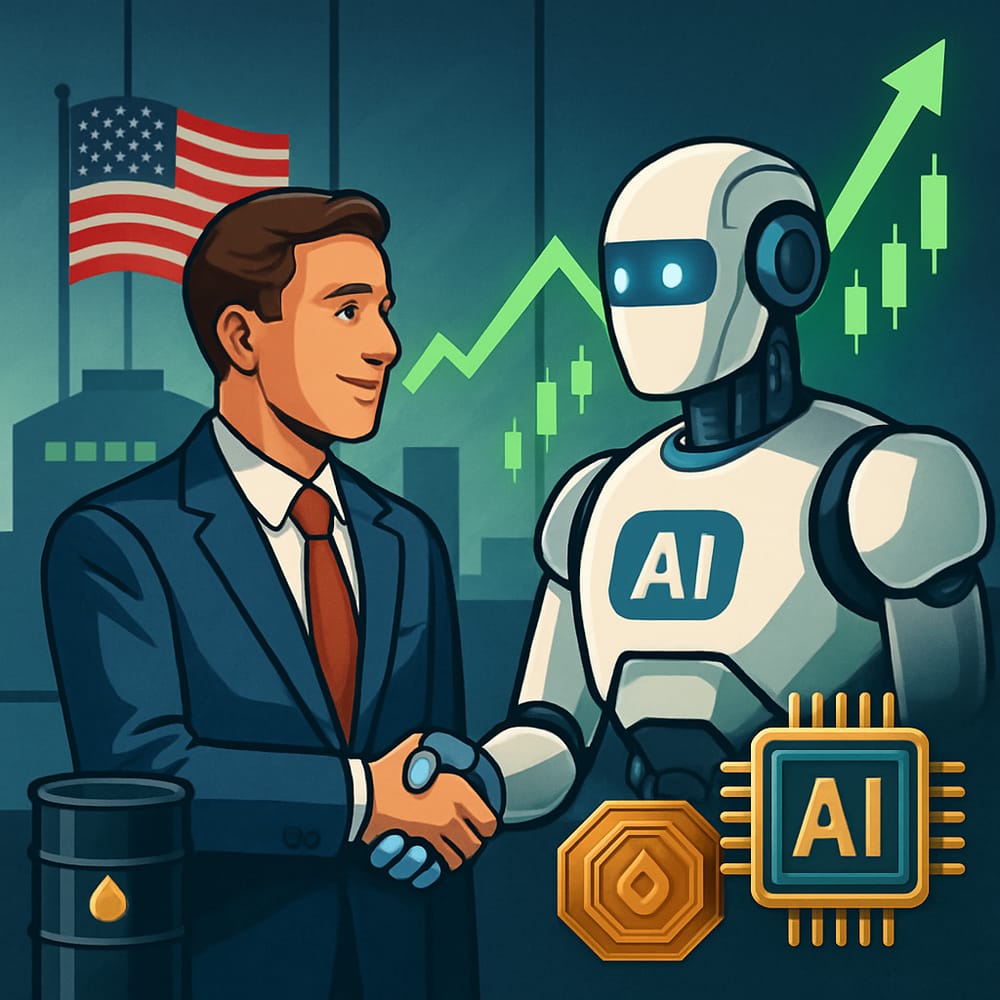
FORD'S HUMAN TOUCH: WHEN AI DROPS THE BALL AND ENGINEERS PICK IT UP
Breaking news: humans still needed for intelligent problem-solving! In a move that seems to rewind the clock on AI-powered automation, Ford has decided that a car is only as good as the engineers who build it. The iconic automaker is rehiring hundreds of engineers it previously let go, betting big on the old-school human brain to solve quality issues that AI just couldn't handle.
Imagine thinking your job's been handed over to a sleek algorithmic overlord, only to realize that the bot that replaced you is, well, just not cutting it. That's the reality Ford is grappling with, as their high hopes for AI efficiencies have hit a pothole on the road to progress.
WHAT WENT WRONG WITH AI?
Ford's leap into AI-led quality control was supposed to be a game-changer, turning traditional manufacturing on its head. But the reality was more like watching a toddler learn to walk—wobbly and filled with stumbles. The AI systems, while fantastic in theory, turned out to be more befuddled than brilliant when it came to the intricate nuances of automotive quality assurance.
In practical terms, this meant that error-detection systems weren't catching the errors, and predictive maintenance was more of a guessing game. Turns out, machines sometimes lack that human knack for intuition and the nuanced judgment calls that come with experience. Ford’s VP of vehicle hardware engineering, Charles Poon, put it plainly: “AI is a fantastic tool, but it’s only as good as the information you use to train it.”
THE COSTLY TURNAROUND
Backpedaling on automation is rarely cheap, and for Ford, the price tag is steep. The company is reportedly forking out millions to bring these engineers back into the fold, highlighting the financial sting of reversing AI-driven decisions. The rehiring process itself is a logistical and monetary burden, but the alternative—persistent product quality issues—is likely far more costly in terms of reputation and customer trust.
For a company that has long been synonymous with the American auto industry, protecting its legacy and future market share outweighs short-term costs. The silver lining? Ford is now likely to approach AI with a healthier dose of skepticism—and a renewed appreciation for the engineers who make its vehicles world-class.
AI INVESTMENT RISKS REVEALED
Ford's AI hiccup isn’t just a cautionary tale for the auto industry. It's a wake-up call for any enterprise betting the farm on AI. While AI can do wonders with routine tasks and big data analysis, it's not a magic bullet for every problem, especially those involving the human touch.
Investors across sectors should take note. As Palantir's CEO Alex Karp recently pointed out, AI costs have surged, prompting businesses to reconsider the ROI of these technologies. The financial markets are waking up to the fact that AI is not the panacea they once thought it to be—and Ford’s public pivot adds a rich layer to this ongoing debate.
THE ROAD AHEAD
As Ford navigates this AI detour, the broader industrial sector may want to consider its own strategies. The company's decision to bring back human engineers underscores the importance of balancing technological innovation with human expertise.
Ultimately, the human brain remains a formidable tool, one that's not easily replicated by circuits and codes. As we hurtle toward an increasingly automated future, Ford’s experience is a timely reminder that in certain areas, humans still reign supreme.
For those keeping an eye on the industrial sector, Ford’s journey is a compelling case study in the limits of AI. It’s an invitation to reflect on the capabilities—and crucially, the limitations—of technology in solving complex, high-stakes problems. And for the ordinary investor, it's a reassuring reminder that sometimes, the best investment is in tried-and-true human talent.
This article is for informational purposes only and is not investment advice. Always do your own research or consult a licensed financial professional before making investment decisions.
© Copyright 2024. All Rights Reserved.
© Copyright 2024. All Rights Reserved.