

Ford Rehires Engineers After AI-Driven Layoffs
Thursday, July 02, 2026
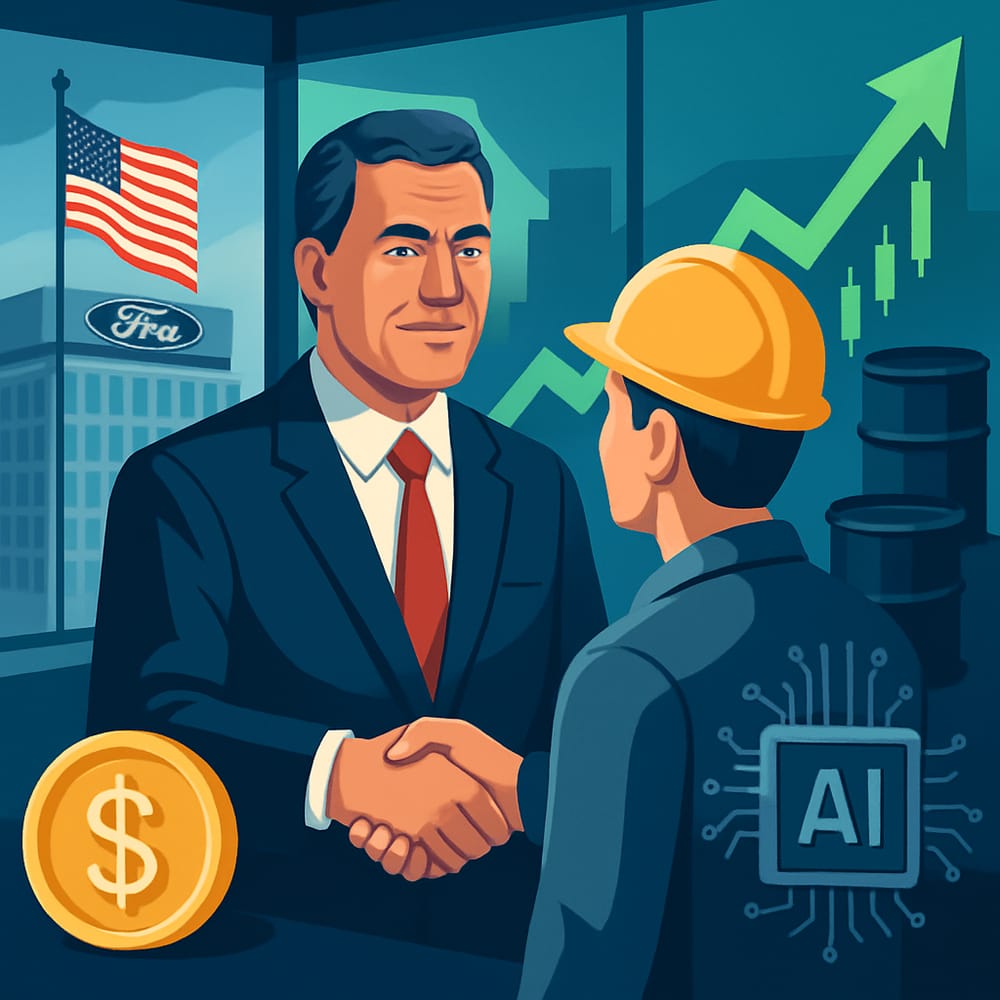
FORD REHIRES ENGINEERS AFTER AI-DRIVEN LAYOFFS
In the fast-paced tango between humans and tech, it seems Ford is calling back its old dance partners. After laying off engineers in favor of artificial intelligence to fix quality problems, the automaker is now rehiring them, highlighting the limits of our robotic pals. Talk about a plot twist.
Picture this: Ford, rolling out the tech red carpet, envisioned a future where AI could do it all — from designing slick cars to solving pesky quality issues. But now, it seems the automaker’s autonomous ambitions hit a speed bump. AI might be a whiz at many things, but when it comes to addressing complex manufacturing kinks, it's apparent that human expertise is still the MVP.
So, was AI over-promised? Let’s peel back this digital onion.
For years, the world’s been buzzing about AI’s potential to revolutionize industries, with the automotive sector at the forefront. Imagine a world where robots handle everything, and costs plummet while profits soar. Sounds dreamy, right? But Ford’s recent move underscores a reality check: While AI can handle repetitive tasks faster than a human can say "machine learning," it struggles with the nuanced problem-solving and creative thinking that human engineers bring to the assembly line.
This isn’t just a blip on the radar; it’s an existential question for investors banking on AI to be the savior of cost-cutting. How does the ROI timeline look when AI can’t quite cut the mustard on reliability? If your high-tech investment can’t reliably fix what’s broken, it may not offer the financial payback you hoped for. The initial allure might've been to trim costs, but if those savings come at the expense of quality and reliability, then maybe the grass isn’t greener on the digital side after all.
Investors should also consider the cost versus reliability debate when it comes to AI in manufacturing. It’s one thing to save a few bucks on salaries, but if you're shelling out heaps to fix AI’s hiccups, those savings might not be as significant. Ford’s decision highlights the delicate balance companies are trying to strike between cutting-edge and cost-effective.
In the grand chess game between human and machine, Ford’s pivot back to human engineers is a move that suggests our silicon counterparts aren’t ready to replace us just yet. This could reshape how investors view the automation wave, causing them to question whether business leaders have oversold AI’s current capabilities.
While tech giants like Meta are busy flexing their AI compute power to recoup investments, as highlighted by their recent cloud business venture, industrial sectors like automotive are having a more sobering realization. AI may be dazzling, but it’s not the cure-all it was once hyped up to be.
The Ford story is a cautionary tale against putting all your chips on the AI table. It’s not about abandoning AI — it's a fantastic tool — but recognizing its limitations and knowing when to call in the humans. In fact, in the space race for AI dominance, even the likes of Palantir’s Karp have pointed out the ballooning costs and complexities, urging companies to reconsider blind reliance on AI tokens.
As investors reassess their portfolios, Ford’s move could prompt a reevaluation of AI investments across the board. Are companies equipped to address the gaps AI leaves? And, more importantly, are they prepared to pivot when the tech doesn’t deliver as promised?
Ultimately, Ford’s rehiring campaign sends a clear signal: in the world of manufacturing, human expertise is not just valuable — it’s indispensable. The automaker’s reversal is a reminder that, while AI can crunch numbers and optimize processes, it’s the human touch that ultimately ensures quality and innovation. Embracing technology is key, but it should complement, not replace, the irreplaceable value of human intelligence.
For retail investors, the lesson is clear: as tantalizing as the AI narrative might be, the path to profitability is rarely straightforward. Keep a watchful eye on how industries integrate technology with human know-how. The future might be digital, but it’s the analog heart that keeps it beating.
This article is for informational purposes only and is not investment advice. Always do your own research or consult a licensed financial professional before making investment decisions.
© Copyright 2024. All Rights Reserved.
© Copyright 2024. All Rights Reserved.