

FOMO vs Bubble Angst Is Setting Up a Choppy 2026
Monday, December 22, 2025
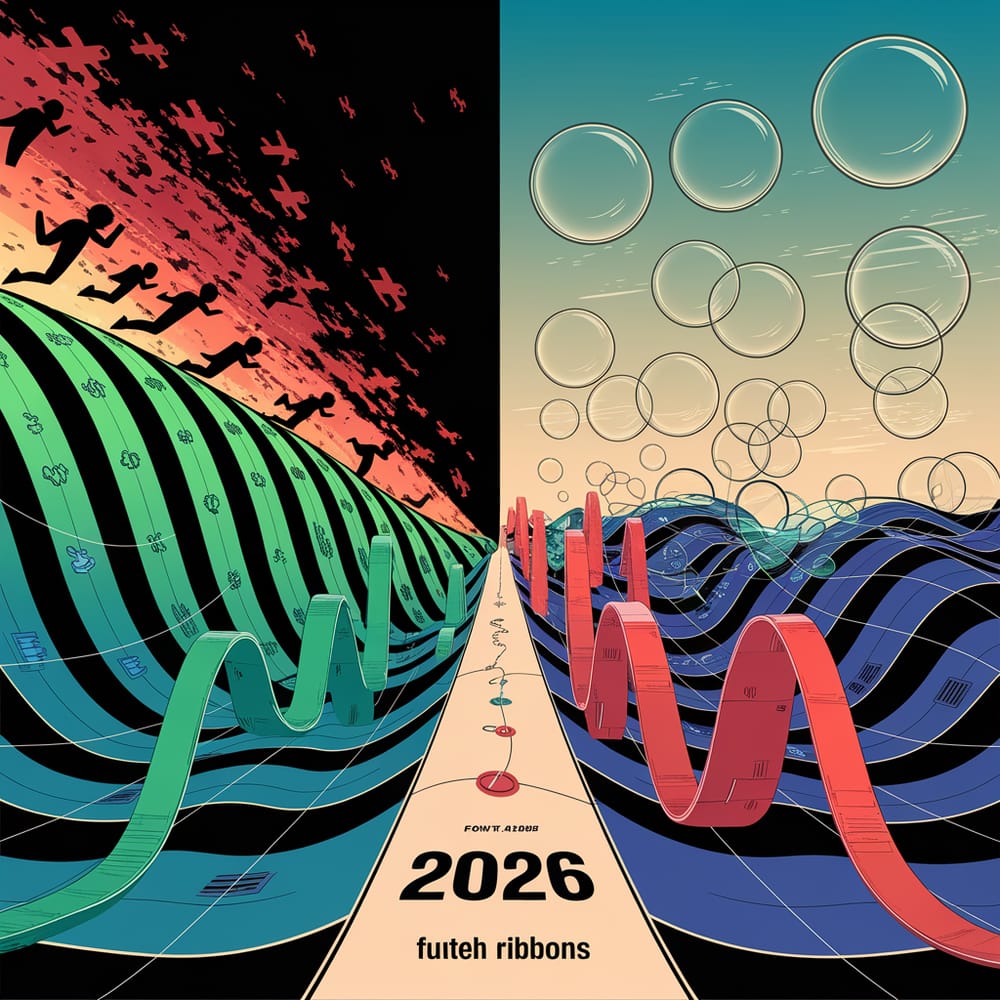
Investors are stuck between “don’t miss it” and “don’t get wrecked”
The U.S. stock market is heading into 2026 with a very modern psychological problem: people are terrified of missing the AI-driven upside, but also suspicious that the whole thing could be a bubble waiting to pop. That tug-of-war is a perfect recipe for sudden selloffs… and equally sudden “never mind” rallies.
Big swings have become the market’s personality, not an exception
Over the past 18 months, stocks have developed a bad habit: they drop hard, snap back fast, and leave everyone emotionally exhausted by lunchtime. Strategists expect that pattern to stick in 2026, especially if the AI boom starts behaving like past tech revolutions — early euphoria, periodic shakeouts, and constant arguments about whether it’s genius or insanity.
AI giants don’t just influence the market — they are the market’s mood ring
A handful of tech companies sit at the center of the AI investment wave, and their outsized weight means their stumbles can spill into everything else. One reason overall market volatility has stayed relatively contained in 2025 is that strength in tech has often offset weakness elsewhere. But that balance is delicate: if chip and AI leaders start slipping together, volatility gauges can spike quickly.
Low correlation is calming… until it suddenly isn’t
Because 2025 has been more about rotation and narrow leadership than clean “risk-on/risk-off” waves, implied correlations have dropped to very low levels. That can keep index volatility looking tame. The catch is that when macro forces take over — rates, growth scares, geopolitics — volatility can jump in outsized bursts, because the market goes from “everyone doing their own thing” to “everyone panicking together” in a heartbeat.
The bubble fear is real — but so is the fear of leaving money on the table
A survey of fund managers found “bubble risk” is a top concern. But the other big anxiety is classic FOMO: if the AI run keeps going and you pulled back too early, you look foolish and underperform. That one-two punch makes investors twitchy and reactive, which tends to create more volatility, not less.
Expect more 10% pullbacks — with annoyingly fast recoveries
Strategists argue bubbles don’t usually pop cleanly at first. They wobble, they fake you out, they throw tantrums. That means 2026 could bring occasional declines larger than 10% — followed by rapid rebounds as traders decide, once again, that the story isn’t “over” yet. The result: whiplash markets where dips feel scary and recoveries feel suspicious.
Why some pros like betting on tech volatility specifically
One approach gaining attention is positioning for bigger volatility swings in tech-heavy indexes, because it can work in multiple scenarios:
- If AI keeps booming, single-stock dispersion and sector turbulence can stay elevated.
- If AI breaks, tech is where the blast radius starts. The idea is to structure trades that don’t need you to predict direction perfectly — just the intensity of the moves.
Dispersion is crowded — so traders are getting creative
The “dispersion trade” (betting that individual stocks move a lot while the index moves less) has become so popular some funds now argue it’s overcrowded and are taking the opposite side. Others think it will keep thriving because demand for single-stock options remains strong, and hedging pressure keeps longer-dated protection expensive. Translation: the volatility trade itself may be volatile.
The real risk for 2026: sudden regime shifts
Strategists also point to signals that tend to align with higher volatility next year, especially if the market transitions into a new phase of AI-driven borrowing and investment. If corporate leverage starts rising again, both credit spreads and equity volatility could move higher — meaning the market may look calm… right until it doesn’t.
Bottom line: 2026 could be a year of “prepare for both tails”
The most likely setup isn’t a straight-line bull run or a clean crash. It’s a market that keeps lurching between greed and fear: chasing AI upside one week, flinching at bubble risk the next. If you’re expecting smooth sailing, 2026 is probably not your year.
© Copyright 2024. All Rights Reserved.
© Copyright 2024. All Rights Reserved.